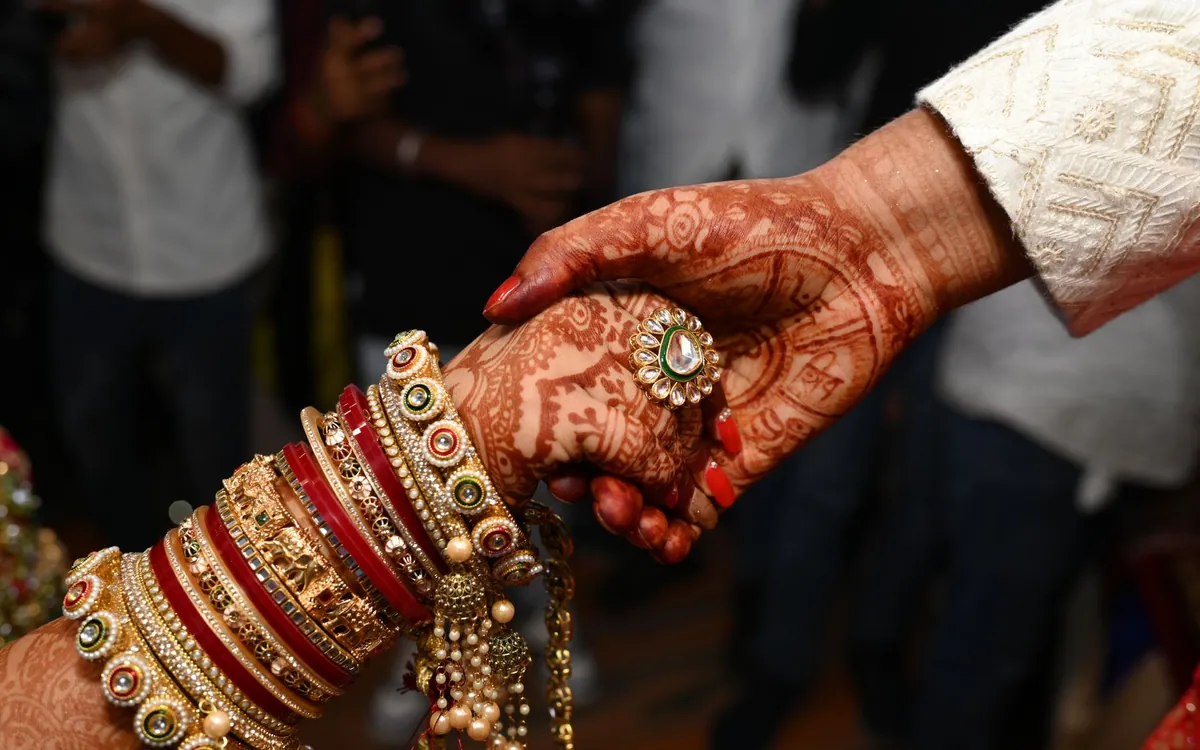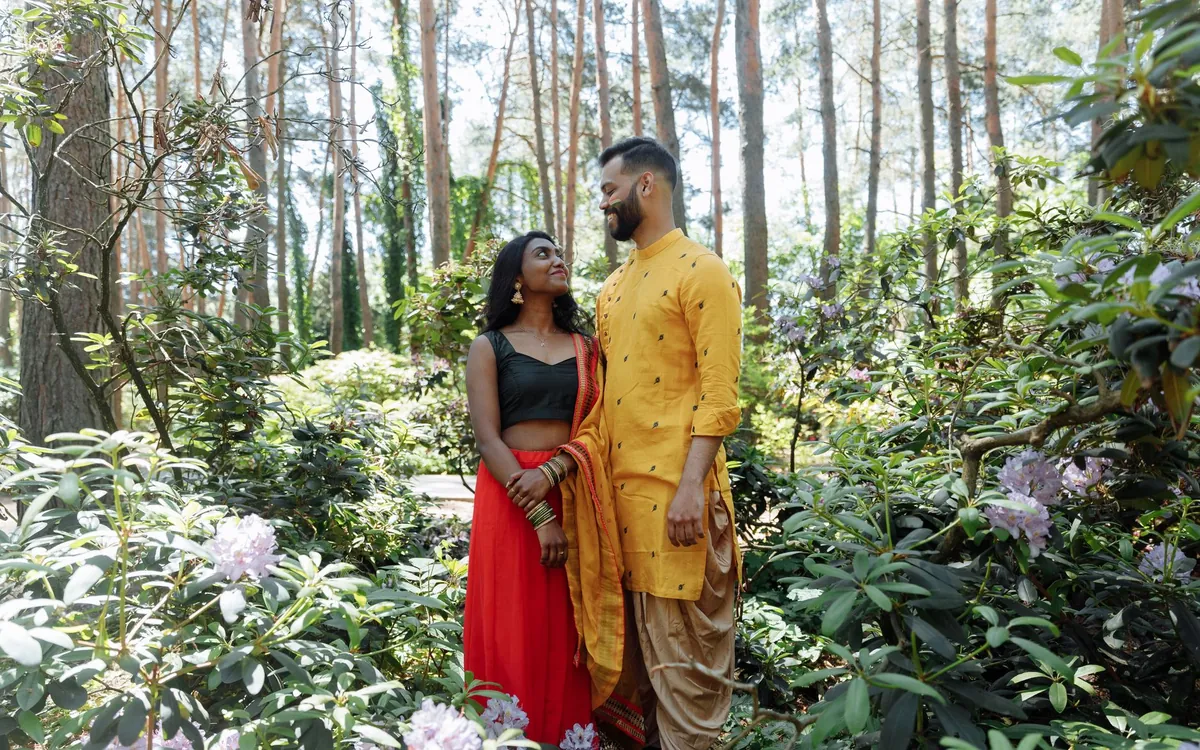
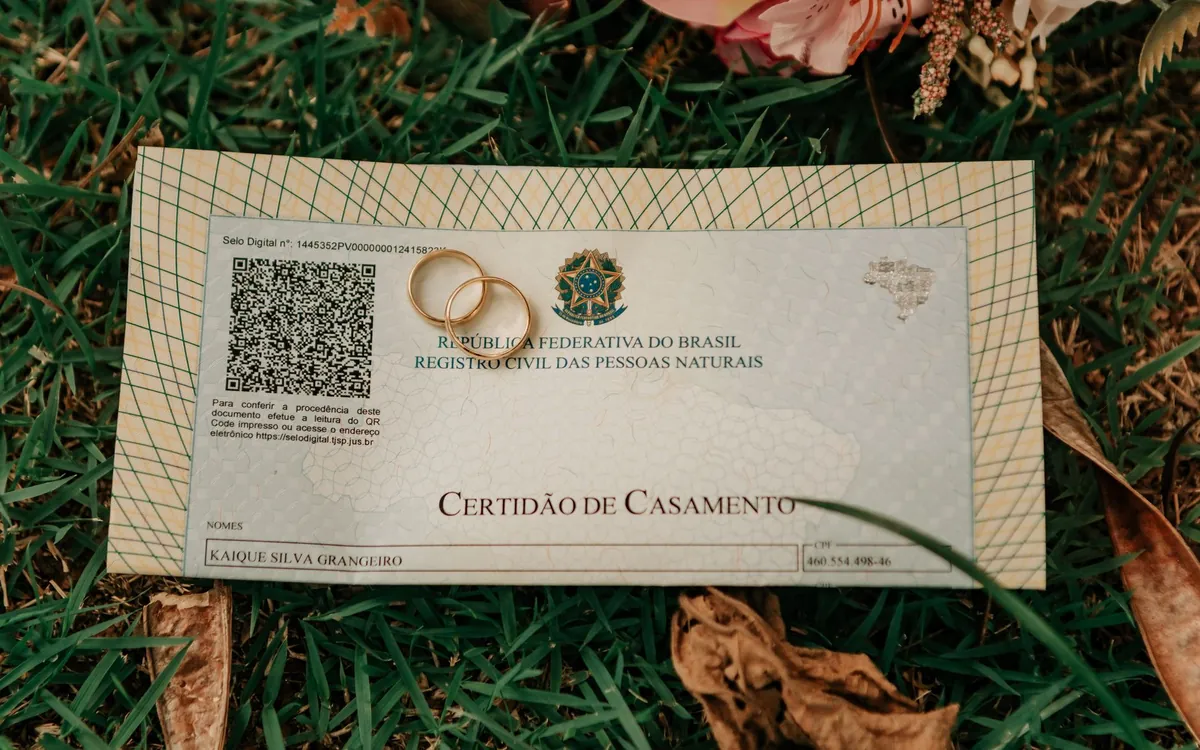
Not every marriage begins under a mandap. A growing number of Indian couples choose a court marriage — a legal marriage conducted by a marriage officer, valid across religions and communities. It is simple, dignified and fully recognised in law. Here is a plain guide to how it works. (Rules and fees vary by state, so always confirm with your local marriage office.)

What is court marriage?
A court marriage is a marriage solemnised directly before a Marriage Officer under the Special Marriage Act, 1954, without religious ceremonies. Because it is secular, it works for couples of any religion or of different religions, and produces a legally valid marriage and certificate.
The step-by-step process
Broadly, a court marriage under the Special Marriage Act follows these steps:
- Notice of intended marriage. The couple submits a written notice to the Marriage Officer of the district where at least one of them has lived for the required period.
- Publication and objection period. The notice is published, and there is a 30-day window during which objections can be raised.
- Solemnisation. If no valid objection stands, the marriage is solemnised before the Marriage Officer and three witnesses.
- Marriage certificate. The couple receives the marriage certificate, the legal proof of marriage.

Documents usually required
Requirements vary by state, but commonly include:
- Proof of age (birth certificate, 10th marksheet, passport) for both.
- Proof of address for both.
- Passport-size photographs.
- Identity proof (Aadhaar, PAN, passport).
- Details and ID of witnesses.
- A declaration that the couple is within the conditions of the Act (age, not within prohibited relationship, etc.).
Minimum age is 21 for the groom and 18 for the bride.
Timeline and cost
The 30-day notice period is the main wait; the process typically completes in about a month or a little more. Government fees are modest, though many couples use a lawyer for convenience, which adds cost.
Why couples choose it
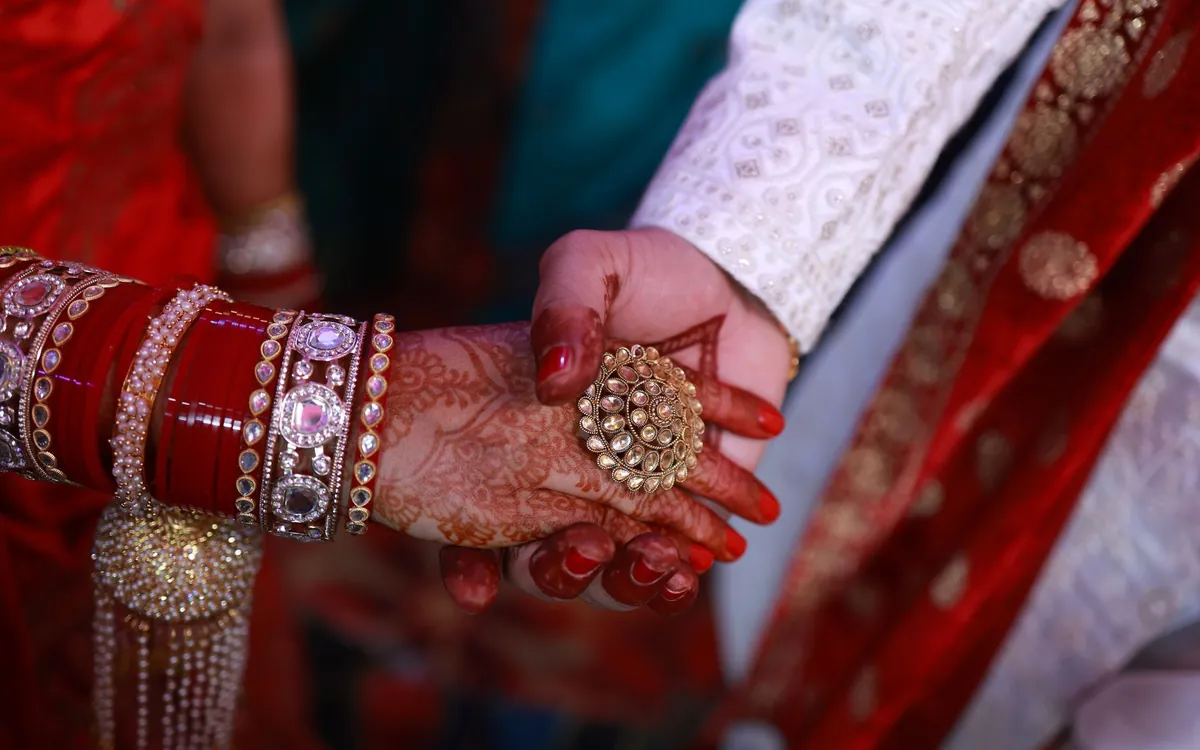
Court marriage suits inter-faith and inter-community couples, those who prefer simplicity over expense, and anyone who wants clear legal proof of marriage. Many couples do a court marriage for the legal record and a social or religious ceremony separately.
Whether your path is traditional or court, it begins with finding the right person. Browse verified Goswami brides and grooms to start.
Frequently asked questions
What is court marriage in India?
Court marriage is a marriage solemnised before a Marriage Officer under the Special Marriage Act, 1954, without religious ceremonies. It is legally valid for couples of any religion or of different religions.
How long does court marriage take?
The main wait is the 30-day notice and objection period after submitting the notice of intended marriage. The whole process usually completes in about a month or a little longer.
What documents are needed for court marriage?
Commonly proof of age and address for both partners, identity proof, passport-size photos, and witness details. Requirements vary by state, so confirm with your local marriage office.
What is the minimum age for court marriage?
Under the Special Marriage Act, the minimum age is 21 years for the groom and 18 years for the bride. Both must also meet the other conditions of the Act.
Do we need a lawyer for court marriage?
A lawyer is not mandatory, but many couples use one for convenience in preparing documents and navigating the process. The marriage itself is conducted by the Marriage Officer.