The Goswami community — also written as Gosavi and closely tied to the Dashnami tradition — carries one of the most distinctive spiritual heritages in India. The word goswami itself comes from go (senses) and swami (master): "one who has mastered the senses." For families searching for a life partner within the community, understanding this background helps you appreciate the values, surnames and customs that many Goswami households still hold dear.
Origins of the Dashnami Goswami
The Dashnami ("ten names") order is traditionally traced to Adi Shankaracharya, the 8th-century philosopher-saint who reorganised monastic life across India and established four principal mathas (monastic seats) at Sringeri, Dwarka, Puri and Jyotirmath. To carry his teaching forward, the ascetics initiated into these mathas were grouped under ten surnames. Over the centuries, alongside the renunciate (sannyasi) monks, a large body of householder Goswamis — married family people who kept the same lineage names — grew into the community many of us belong to today.
This is why the community sits at an interesting crossroads: deeply spiritual in origin, yet made up of ordinary families raising children, running businesses and arranging marriages like everyone else.
The ten Goswami surnames
Families across the community commonly carry one of these ten lineage names, each historically associated with one of the mathas or teaching centres:
- Giri — "mountain," associated with steadfastness
- Puri — "city" or "fullness"
- Bharti / Bharati — "learning" and eloquence
- Saraswati — after the goddess of knowledge
- Ban / Van — "forest," the path of solitude
- Aranya — "wilderness"
- Parvat — "mountain"
- Sagar — "ocean"
- Tirtha — "pilgrimage" or sacred crossing
- Ashram — "hermitage"
You will see many of these surnames on Goswami Matrimony profiles, listed alongside the family's gotra and native place. In some regions the surname is used directly (for example, "Sharma Giri" or "Ramesh Bharti"), while in others families are simply known as Goswami, Gosavi or Bawa.
Goswami, Gosavi and regional variations
Because the community spread across the length of India, the same heritage appears under different names from state to state. In Maharashtra and parts of the south you will often hear Gosavi; in Gujarat, Rajasthan and the Hindi belt, Goswami or Bawa; and honorific titles such as Maharaj attach to families with a temple or priestly role. These are variations of one broad tradition rather than separate communities — a useful thing to remember when two families compare backgrounds during a marriage discussion.
Householder families and community life today
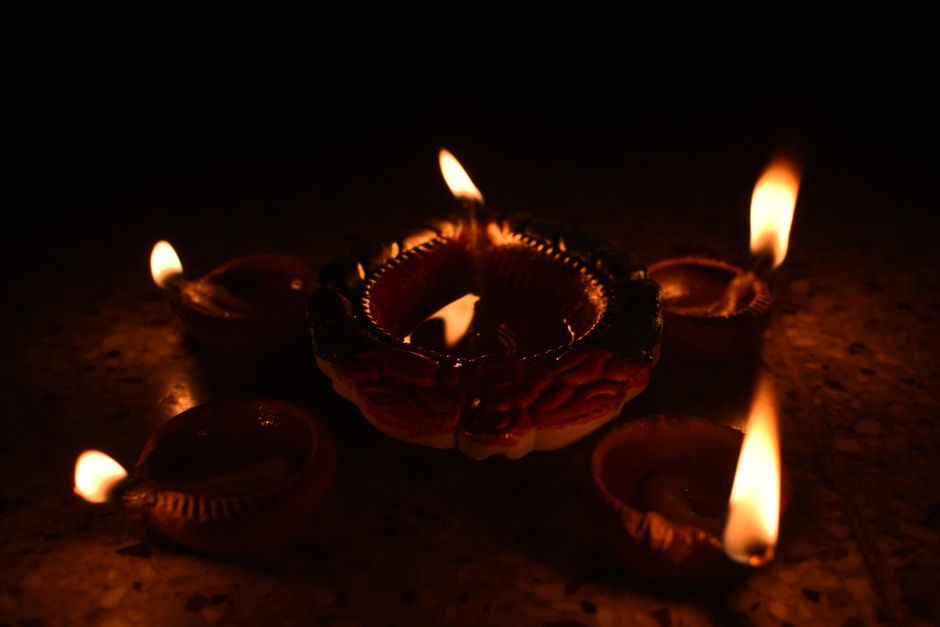
Today the vast majority of Goswami families are householders. Many maintain a living connection to a temple, a family guru, or seasonal religious duties, and festivals such as Guru Purnima, Maha Shivratri and Navratri are often observed with particular devotion. At the same time, Goswami young people are doctors, engineers, teachers, entrepreneurs and civil servants across India and abroad. A modern Goswami marriage usually blends both worlds: respect for ritual and lineage on one side, and contemporary education and careers on the other.
Values that shape Goswami marriages
While every family is different, several themes come up again and again when a rishta is being considered:
- Respect for tradition — gotra, kundli (horoscope) and family reputation are taken seriously and checked early.
- Spiritual roots — a connection to temples, gurus or religious observance is valued and often expected to continue after marriage.
- Community bonds — marrying within the Goswami samaj keeps rituals, food habits, festivals and language familiar to both families, which eases the joining of two households.
- Education and stability — increasingly, families weigh a good education and steady livelihood alongside lineage.
Finding a match within the community
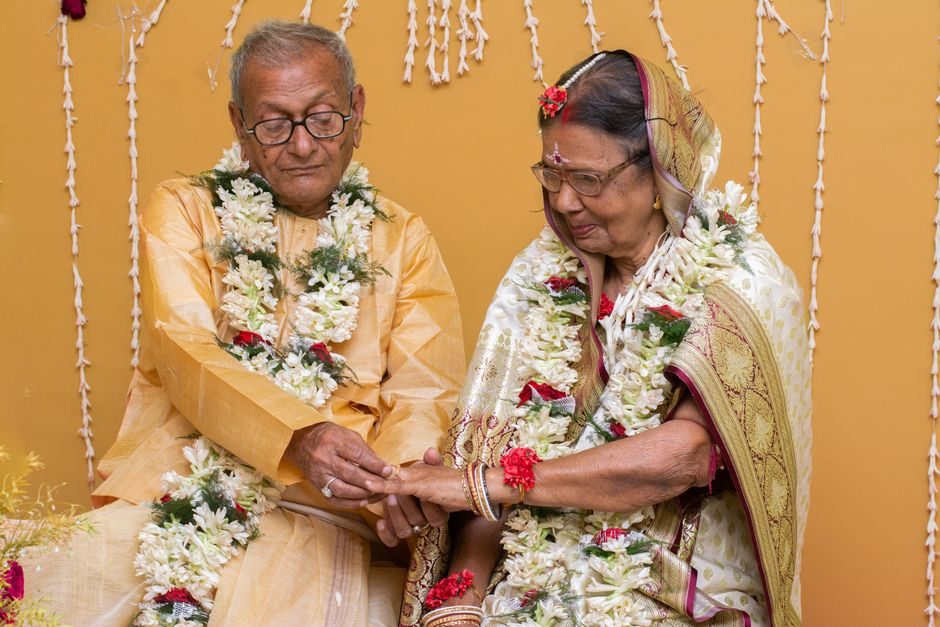
This is exactly why a community-focused platform helps. On Goswami Matrimony you can search verified Goswami brides and Goswami grooms by surname, gotra, city and more — and connect with families who already share the same background and expectations, so conversations start from common ground.
Every family's history is unique, so treat this as a general introduction and confirm the finer details of lineage, surname and customs with your own elders.
Frequently asked questions
Are Goswamis Brahmins?
Goswamis are broadly regarded as a Brahmin community with a monastic, Dashnami origin. Because the community grew from Adi Shankaracharya's ascetic order and later included householder families, ritual status and customs can vary by region and family. Families usually clarify these details directly during a marriage discussion.
Is Goswami a surname, a caste or a title?
It is really all three depending on context. Goswami began as a spiritual title for those initiated into the Dashnami order, became a community identity, and is used as a surname by many families. Within the community, the ten lineage names such as Giri, Puri and Bharti are the more specific family surnames.
What is the difference between Goswami and Gosavi?
They are regional forms of the same word and tradition. "Gosavi" is more common in Maharashtra and southern regions, while "Goswami" is more common in northern and western India. Both refer to families connected to the Dashnami heritage.
Can Goswamis marry outside the community?
Many families prefer a match within the Goswami or wider Dashnami community so that customs and rituals stay familiar, but practice varies widely and inter-community marriages are common today. This is a personal and family decision rather than a fixed rule.
What are the ten Goswami surnames?
The ten Dashnami surnames are Giri, Puri, Bharti (Bharati), Saraswati, Ban (Van), Aranya, Parvat, Sagar, Tirtha and Ashram. Each is traditionally linked to Adi Shankaracharya's monastic seats.
Why choose a community-focused matrimony site for a Goswami match?
A community platform means the profiles you browse already share the Goswami background, so customs, surnames, gotra and festivals are familiar from the first conversation. Instead of filtering through unrelated matches, you can search verified Goswami brides and grooms directly by surname, gotra and city — which saves time and helps two families begin from common ground.