For many families, no marriage is fixed until the two horoscopes are matched. This process — kundli matching, also called Guna Milan or Ashtakoota Milan — compares the birth charts of the prospective bride and groom to judge their long-term compatibility. Here is what it actually means, in plain language.
What is Guna Milan?
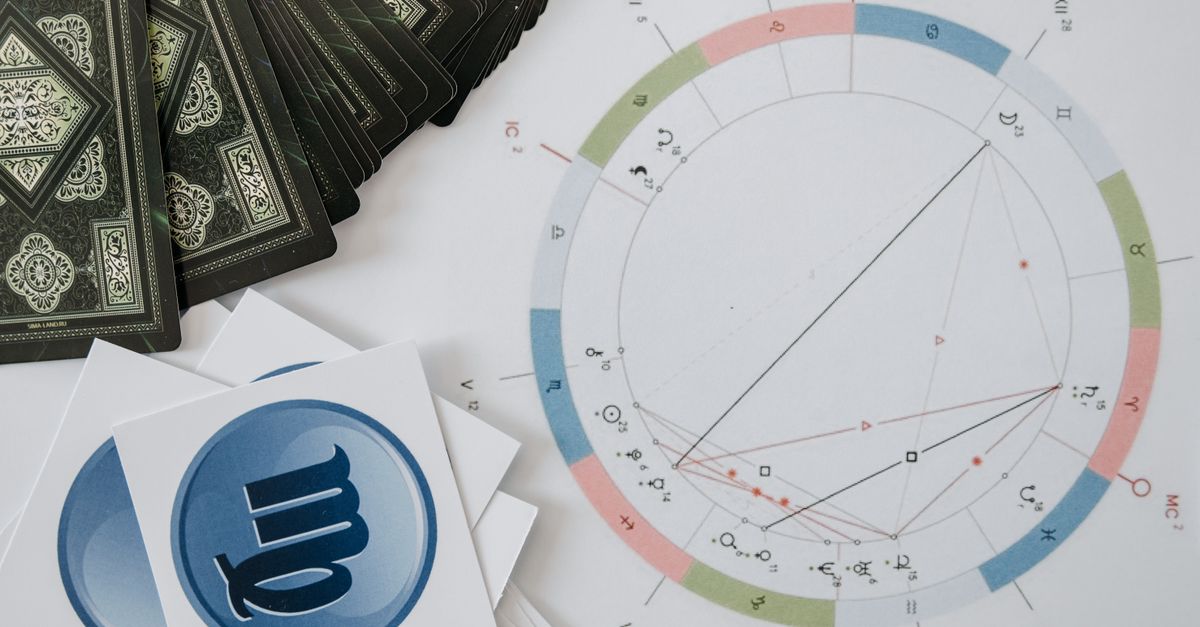
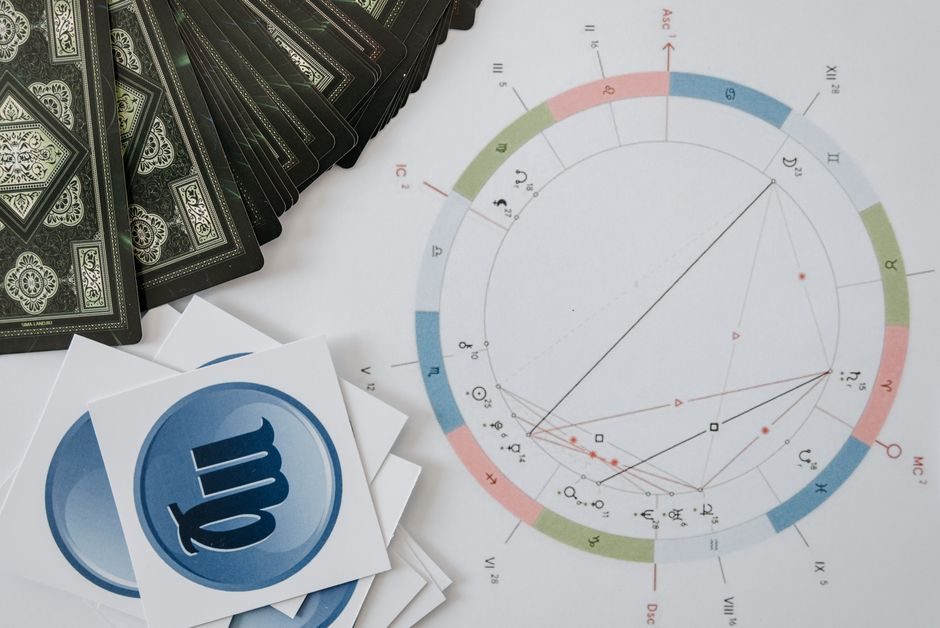
Guna Milan scores the compatibility of two horoscopes across eight factors, known as the eight kootas. The calculation is based mainly on each person's Moon sign (rashi) and birth star (nakshatra). Each koota carries a set number of points, and together they add up to a maximum of 36 gunas. The higher the total, the more compatible the match is considered to be.
The eight kootas (36 gunas)
Each koota looks at a different dimension of married life:
- Varna — 1 point — spiritual and work compatibility; the natural temperament of each partner.
- Vashya — 2 points — mutual attraction and the give-and-take of influence between the couple.
- Tara — 3 points — health, fortune and general well-being.
- Yoni — 4 points — physical and intimate compatibility, based on the animal symbol of each nakshatra.
- Graha Maitri — 5 points — mental compatibility and friendship, based on the friendship of the two Moon-sign lords.
- Gana — 6 points — temperament, grouping each nakshatra as Deva (divine), Manushya (human) or Rakshasa (demonic) in nature.
- Bhakoot — 7 points — love, prosperity and family welfare, based on the distance between the two Moon signs.
- Nadi — 8 points — health and progeny; the single most heavily weighted factor.
What score is considered good?
As a general guideline, many astrologers read the total like this:
- Below 18 — the match is usually not recommended on its own
- 18 to 24 — acceptable
- 25 to 32 — very good
- 33 to 36 — excellent
An 18/36 is often treated as the minimum "pass" mark, but the total is never the whole story — which points are missing matters as much as how many.
Bhakoot and Nadi dosha — the checks that carry the most weight
Two koota "faults" (doshas) make families most cautious:
- Nadi dosha — when both partners share the same Nadi. Because Nadi carries 8 points, sharing it drops the score sharply and is traditionally linked to concerns about health and children.
- Bhakoot dosha — certain Moon-sign distances (such as 6–8 or 2–12) are considered unfavourable for prosperity and harmony.
The good news is that classical astrology also lists several cancellation rules (parihara) for both doshas — for example, when the Moon-sign lords are friends, or the nakshatras fall in particular positions. This is exactly the kind of judgement that needs a qualified astrologer rather than a raw number.

Beyond the 36 gunas
Guna Milan is not the only thing checked. Astrologers also look at:
- Manglik (Mangal) dosha for both people, and whether it is cancelled.
- The strength and placement of Venus, Jupiter and the 7th house, which relate to marriage and spouse.
- Dasha (planetary periods) to judge the timing of marriage.
This is why families note manglik status separately on profiles, alongside the guna score.
When a low score isn't the end
A modest score does not automatically doom a match, and a high score does not guarantee a happy one. Astrologers weigh the doshas, cancellations and overall chart strength together. Many well-matched couples score in the low-to-mid twenties. Treat the number as a starting signal, then let an experienced astrologer interpret the full picture.
Using kundli matching sensibly
Kundli matching is a valuable tradition, but it works best alongside — not instead of — the practical basics: shared values, compatible family backgrounds, education, temperament and mutual respect. A qualified astrologer should always do the actual matching from full, accurate birth details (date, exact time and place of birth).
On Goswami Matrimony, every profile can list rashi (moon sign), nakshatra, manglik status, birth time and birthplace, and our built-in match score gives you a quick indication before you consult your astrologer. Browse Goswami brides and grooms and shortlist with confidence.
Frequently asked questions
How many gunas are needed for marriage?
A score of 18 out of 36 or above is generally considered acceptable, 25–32 is very good, and 33–36 is excellent. Below 18 is usually not recommended without a careful astrological review of the specific doshas involved.
Can a marriage happen if the guna score is below 18?
It can, if an astrologer finds that the important doshas are cancelled and the overall charts are strong. The total score alone is not a final verdict — the pattern of points and their remedies matter more than the raw number.
Is a 36 out of 36 match required?
No. A perfect 36/36 is rare and not necessary. Most compatible couples score somewhere in the twenties. What matters is the absence of serious, uncancelled doshas rather than a maximum score.
What is Nadi dosha in kundli matching?
Nadi dosha occurs when both partners share the same Nadi, costing all 8 Nadi points. It is traditionally associated with concerns about health and children, but classical astrology provides several cancellation rules, so a qualified astrologer should assess it rather than rejecting the match automatically.
Does an online kundli match replace an astrologer?
No. Online tools and match scores are a helpful first indication, but they cannot weigh dosha cancellations, planetary strength and timing the way an experienced astrologer can. Use the online score to shortlist, then confirm with a professional.