
Along with the rashi (moon sign), the nakshatra (birth star) is one of the most important details in Vedic marriage matching. Several of the points in a kundli match are calculated directly from it. Here is a simple, beginner-friendly guide to what nakshatras are and how they shape compatibility.
What is a nakshatra?
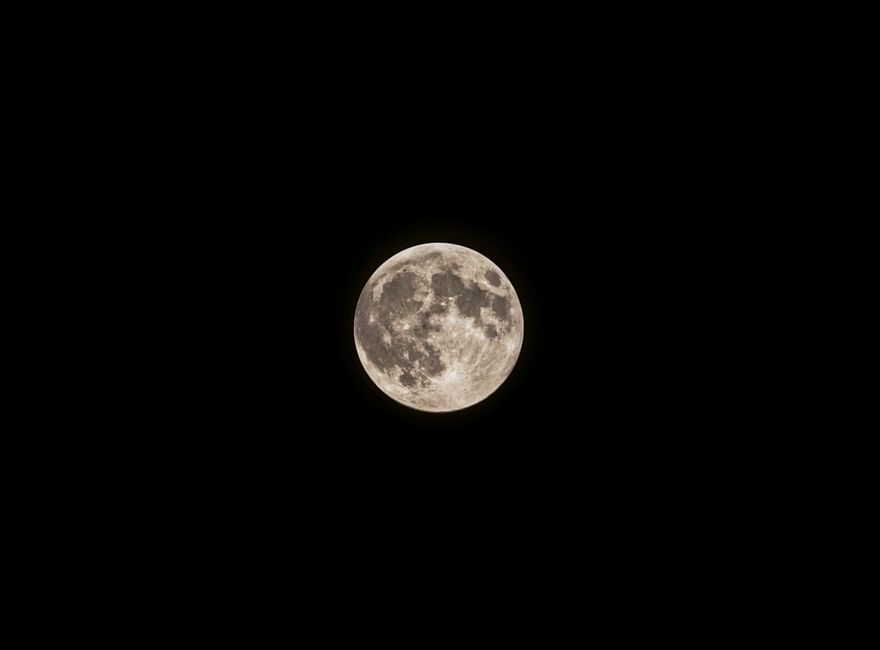
In Vedic astrology, the zodiac is divided into 27 nakshatras, or lunar mansions. Each one covers a slice of the sky, and your nakshatra is decided by where the Moon was positioned at the exact moment of your birth. Each nakshatra is also split into four padas (quarters), which add finer detail. Familiar names include Ashwini, Rohini, Magha, Chitra, Anuradha, Jyeshtha and Revati.
Because the Moon moves quickly, your nakshatra can change within a single day — which is why an accurate birth time is so important.
How nakshatras are used in matching
Four of the eight kootas in Guna Milan come directly from the bride's and groom's nakshatras, and together they account for a large share of the 36 points:
- Nadi koota (8 points) — the most heavily weighted. Each nakshatra belongs to one of three Nadis (Aadi, Madhya, Antya). If both partners share the same Nadi, it is a dosha, so families usually look for different Nadis.
- Gana koota (6 points) — compares temperament by grouping each nakshatra as Deva (divine), Manushya (human) or Rakshasa (fierce). Deva–Deva and similar matches score well; a Deva–Rakshasa pairing scores low.
- Yoni koota (4 points) — represents natural and physical compatibility, based on the animal symbol assigned to each nakshatra (such as horse, snake, cow or tiger). Friendly animal pairs score higher than natural enemies.
- Tara koota (3 points) — checks health and fortune from the count between the two partners' nakshatras.
Nadi dosha, explained simply
Because Nadi carries the most points, it draws the most attention. Sharing the same Nadi is traditionally linked to concerns about health and children. However, classical astrology also lists cancellation rules — for instance, when the couple share the same rashi but different nakshatras, or the same nakshatra but different padas. So a shared Nadi is a reason to consult an astrologer, not an automatic rejection.
Gana and Yoni in daily life
Think of Gana as a temperament check — it hints at whether two people are naturally calm, practical or intense, and how those styles will mix. Yoni speaks to instinctive and physical compatibility. Neither is a verdict on its own; they are threads that an astrologer weaves together with the rest of the chart.
Why accurate birth time matters
Because so many points depend on the nakshatra — and the nakshatra depends on the Moon's exact position — even a small error in birth time can change the nakshatra and shift the whole match score. When collecting details for matching, gather the date, the exact time, and the place of birth as precisely as possible. If a birth time is uncertain, tell your astrologer, who can sometimes narrow it down.
The 27 nakshatras at a glance
For reference, the twenty-seven nakshatras, in order, are: Ashwini, Bharani, Krittika, Rohini, Mrigashira, Ardra, Punarvasu, Pushya, Ashlesha, Magha, Purva Phalguni, Uttara Phalguni, Hasta, Chitra, Swati, Vishakha, Anuradha, Jyeshtha, Mula, Purva Ashadha, Uttara Ashadha, Shravana, Dhanishta, Shatabhisha, Purva Bhadrapada, Uttara Bhadrapada and Revati. Each spans 13°20′ of the zodiac and is divided into four padas (quarters) of 3°20′ each. The pada is what allows two people born under the same nakshatra to still differ in fine compatibility, and it is one reason a shared nakshatra does not always create a dosha. You do not need to memorise the list — simply knowing your own birth star is enough to begin, and an astrologer handles the rest.
Use it wisely
Nakshatra matching is a helpful guide, not the only deciding factor. Shared values, family compatibility, education and mutual respect remain essential. A qualified astrologer should always calculate the full match from accurate birth details.
On Goswami Matrimony, every profile can display its rashi and nakshatra, and our built-in match score gives you a quick indication before you consult your astrologer — so you can begin the process early. Browse Goswami brides and Goswami grooms with horoscope details today.
Frequently asked questions
What happens if the nakshatras do not match well?
A low nakshatra score signals doshas such as Nadi or a difficult Gana pairing, but many of these have classical cancellation rules. An astrologer weighs the doshas, cancellations and the rest of the chart together before deciding, so a weak score is a prompt to consult rather than an automatic no.
Can two people with the same nakshatra marry?
Sometimes yes. Sharing a nakshatra can raise Nadi dosha concerns, but if the partners fall in different padas or the charts satisfy a cancellation rule, an astrologer may consider the match acceptable. It should be checked case by case.
What is Nadi dosha?
Nadi dosha occurs when both partners belong to the same Nadi (Aadi, Madhya or Antya), costing all 8 Nadi points. It is traditionally linked to health and progeny, but several cancellation rules exist, so an astrologer's judgement is needed.
How do I find my nakshatra?
Your nakshatra is calculated from the Moon's position at your exact date, time and place of birth. An astrologer or a reliable Vedic astrology calculator can determine it, after which you can record it on your profile.
Is rashi or nakshatra more important for matching?
Both matter, and they work together. Rashi (Moon sign) drives Bhakoot and Graha Maitri, while nakshatra drives Nadi, Gana, Yoni and Tara. Because nakshatra feeds the highest-scoring koota (Nadi), it carries significant weight, but a complete match uses both.