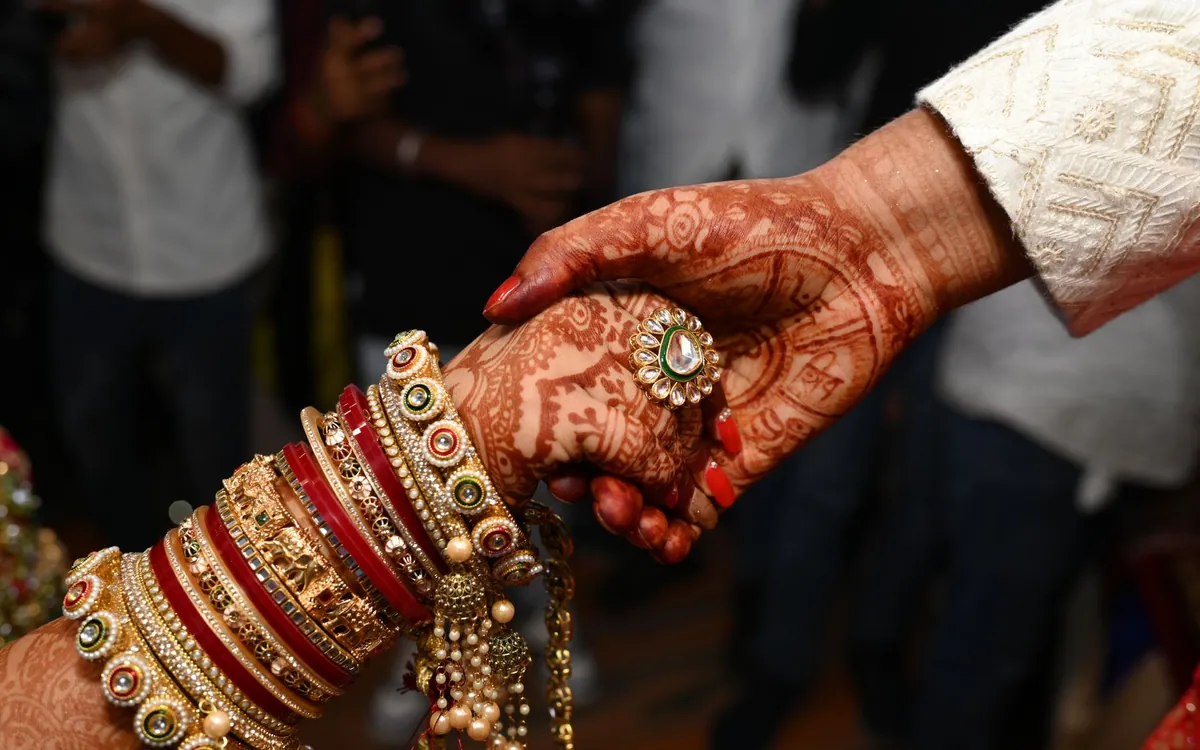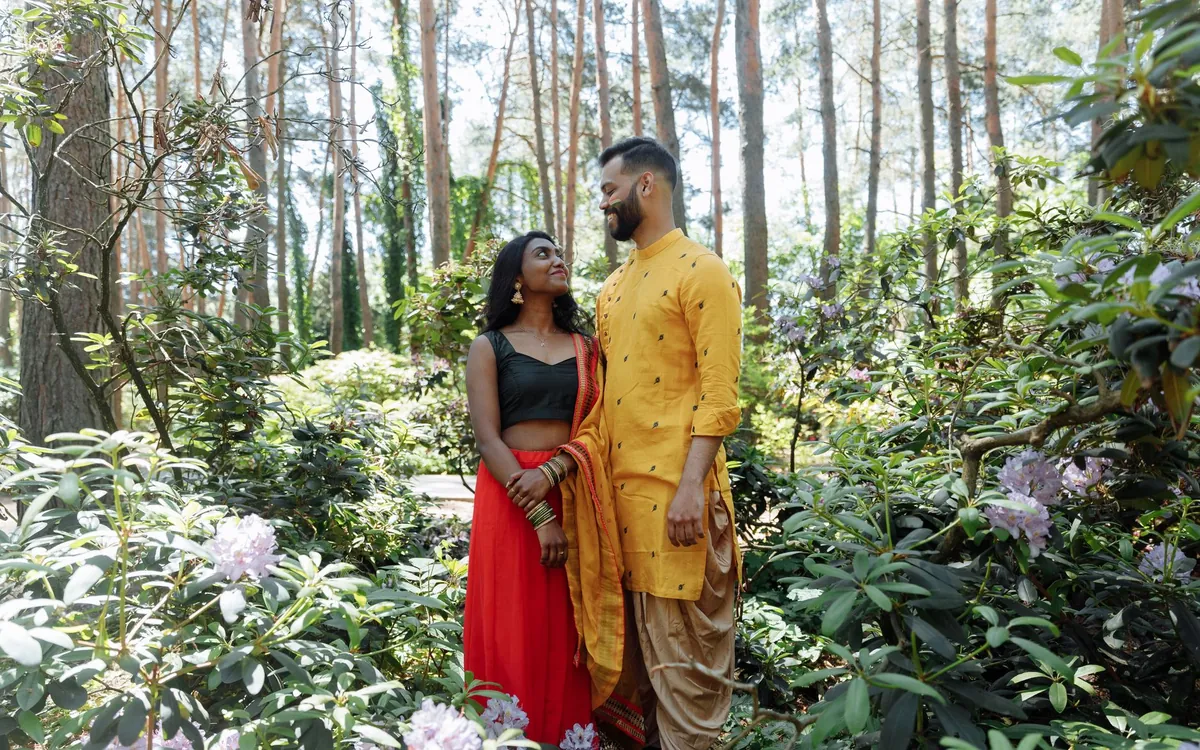
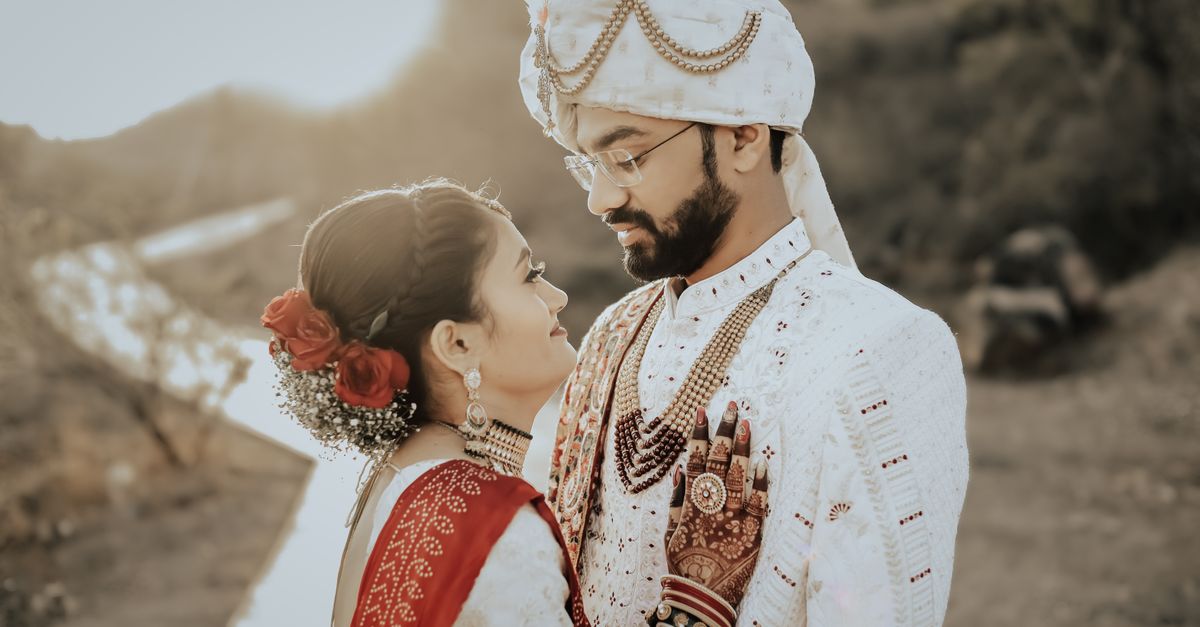
In an arranged match, the meetings before marriage are your real chance to understand each other. Beyond horoscopes and family background, a few honest conversations reveal far more about whether two people will build a happy life together. Here are ten questions worth discussing — and what to listen for in the answers.
About values and lifestyle
1. What are the values and traditions that matter most to you and your family? This uncovers how important religion, ritual and community are in daily life, and whether your expectations align. Listen for whether their answer matches how they actually live.
2. How do you like to spend your time — weekends, holidays and festivals? Everyday compatibility is built on ordinary days. Someone who loves quiet weekends at home and someone who wants to travel constantly can still match — but it helps to know early.
3. What are your views on diet, religious practice and daily routine? Vegetarian or not, fasting, temple visits, prayer at home — these small daily habits shape a shared household more than grand declarations.

About family life
4. Will we live with family, separately, or is it flexible? Joint-family versus nuclear expectations are one of the most common sources of tension. It is far better to know each other's assumptions before, not after.
5. What role do you expect extended family to play in our life? Listen for how they speak about parents and in-laws — with warmth, obligation, or friction. It tells you a lot about the home you would be joining.
6. How are important decisions made in your family? Who decides, and how much say each person has, hints at how decisions will be made in your own marriage.
About career and finances
7. What are your career plans, and how do you see both partners' careers after marriage? Especially important if the bride works or plans to. Clarity here prevents resentment and supports a genuine partnership.
8. How do you think a couple should manage money and responsibilities together? You do not need exact figures — you need to understand attitudes to saving, spending, supporting parents and sharing responsibilities.
About the future
9. What are your hopes for the first few years of marriage? Children, further study, relocation, buying a home — surfacing these hopes (and their timing) early avoids painful surprises.
10. Is there anything about your health, family or circumstances I should know? Asked gently, this invites honesty about anything important. How openly someone answers is itself revealing.

How to have these conversations
- Ask gently and listen more than you speak. These are meetings, not interviews.
- Involve family, but also seek a little honest one-to-one time so you can hear each other directly.
- Watch actions, not just words — consistency between what someone says and how they behave matters most.
- Do not rush. A lifelong decision deserves as many conversations as you need.
Gentle red flags to notice
Be thoughtful if a person consistently avoids straight answers, speaks with contempt about family or past relationships, becomes evasive about work or finances, or pressures you to decide quickly. None of these is automatically disqualifying, but each is worth a calm second look.
Questions for the two families to discuss
Alongside the couple's own conversations, the families usually have their own practical points to settle — and raising them early prevents friction later. It helps to be clear about expectations around the wedding itself: its scale, who hosts what, and how costs are approached, so that no one carries unspoken assumptions. Families also talk through where the couple will live and how each side will stay involved without overstepping. Because Goswami families often value ritual and community, it is worth confirming how festivals, temple visits and family customs will be observed in the new household. Handled with warmth and honesty, these conversations do not dampen the joy of a match — they protect it, so both families step into the relationship with the same understanding.
Ready to find someone to have these conversations with? Browse verified Goswami brides and Goswami grooms on Goswami Matrimony.
Frequently asked questions
How many times should we meet before deciding?
There is no fixed number, but a few meetings — mixing family gatherings with some supervised one-to-one conversation — usually give a clearer picture than a single meeting. Take the time you need rather than rushing.
Is it acceptable to talk privately before marriage in an arranged match?
Increasingly, yes. Many families now allow the couple some honest one-to-one conversation, in person or by phone, within the family's comfort. It helps both people make a confident, informed decision.
What questions are too personal to ask early?
Very intimate or financial specifics can wait until trust is built. Early conversations are better focused on values, family life, career outlook and expectations. Sensitive topics can be raised gently once you both feel comfortable.
How long does the arranged-marriage process usually take?
It varies widely — from a few weeks to several months — depending on how quickly families verify background, match horoscopes, meet and align on expectations. Avoid pressure to decide before you feel ready.
What if my family and I disagree about a match?
Talk openly about the specific concerns rather than the conclusion. Often the disagreement is about one issue — career, location, or a value — that further conversation can clarify. A good match usually earns comfort on both sides over time.
Should the couple talk alone before the marriage is fixed?
A little honest one-to-one conversation, within the family's comfort, helps both people decide with confidence. It does not replace the families' involvement — it complements it, letting the couple hear each other directly on the values, expectations and hopes that will shape their life together.