An age gap in marriage matters less than most relatives think, and more than most couples admit. A difference of a few years rarely decides whether a marriage works; shared values, maturity and life plans do. A wider gap is not a problem in itself, but it does deserve an honest conversation about health, children, careers and how each person sees the future.
This guide looks at the question from both sides, the parents who are weighing a rishta and the young adults who will actually live the marriage.
Why age gap comes up in every rishta discussion
In many Indian families, the unwritten rule has long been that the husband should be a few years older than the wife. The thinking was simple: an older groom would be settled in his work and ready to run a household.
Many young women now finish post-graduation, start careers in Bengaluru, Pune or Delhi, and marry later. Men are also marrying later. So the old formula does not fit as neatly, and families increasingly see profiles where the bride is the same age as the groom, or even a year or two older.
If you are wondering what age is right to marry in the first place, our guide to the best age for marriage in India covers that separately. Here we focus on the gap between two people.
What a small gap (0 to 5 years) usually means
For most couples, a difference of up to about five years makes very little practical difference.
- Similar stage of life. You are likely to be at a similar point in career and friendships, which makes everyday decisions easier.
- Shared references. Same films, same music, similar memories of school and college.
- Fewer assumptions about authority. When neither partner is much older, it is more natural to make decisions as equals.
A gap where the woman is older than the man also falls into this bracket for many couples. If the two people get along, respect each other and both families are comfortable, a bride who is a year or three older is not a reason to drop an otherwise good match.
When a wider gap (7 to 10 years or more) needs more thought
A wider gap is not wrong. Many happy marriages have one. But it does change a few things, and it is better to talk about them before the engagement than after.
Health and energy over the years
When one partner is ten years older, the couple may face health concerns at different times. This is not a reason to say no, only a reason to discuss things like health insurance, lifestyle and how you will support each other.
Children and family planning
Fertility and the right time to start a family are personal medical questions. If one partner is noticeably older, it helps to talk openly about plans for children early on, and to consult a doctor if either of you has questions.
Life stage and expectations
An older partner may be settled, own a flat and want a quiet routine. A younger partner may still be building a career, want to travel or plan a move abroad. Neither is wrong, but the two pictures need to fit. Our piece on marrying later in life explores what maturity and settled finances bring, and what they can cost.
Balance of power
Sometimes a big age gap quietly turns into one person always deciding and the other always adjusting. Watch for this. A healthy marriage needs two voices, whatever the birth years say.
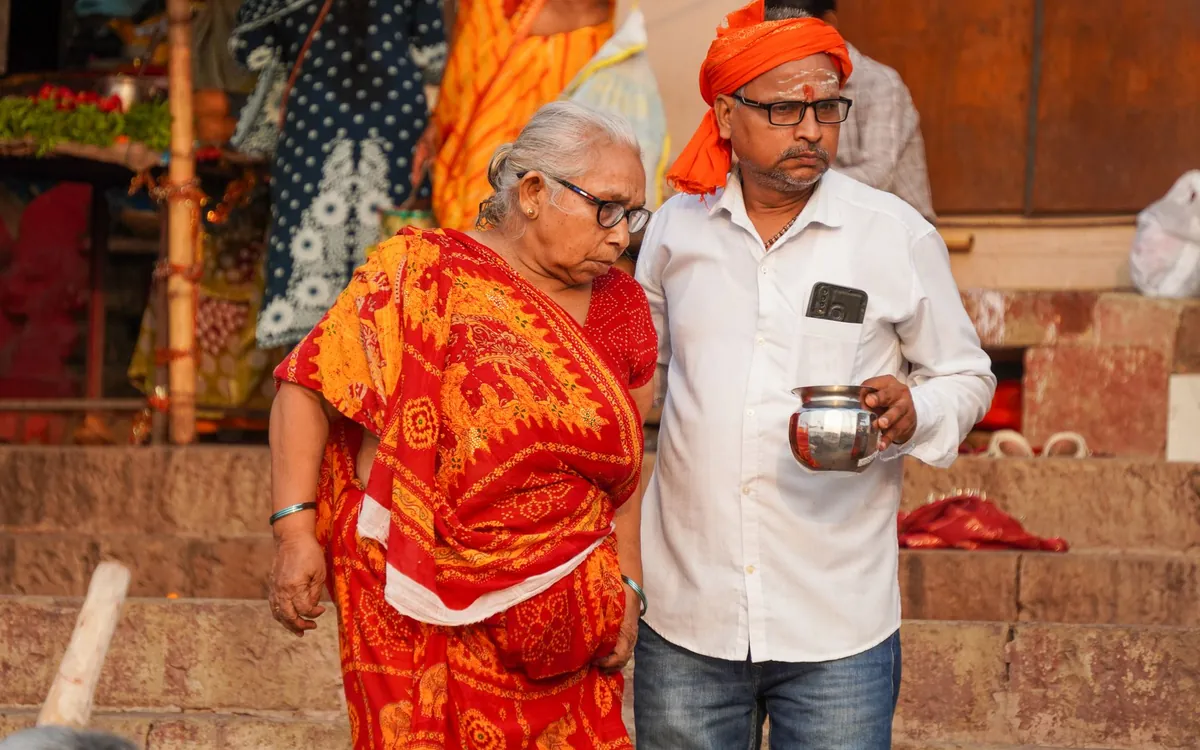
What matters more than the number
When families discuss a profile over chai, the age column is the easiest thing to compare, but rarely the most important.
- Values and outlook. How do both people think about money, religion, family duties and work? Two people with similar values and an eight-year gap often do better than two people of the same age who disagree on everything.
- Emotional maturity. Some 26-year-olds are very grounded; some 34-year-olds are not. Judge the person, not the date of birth.
- Respect. Does each person listen to the other and treat the other's family well? Respect is the strongest predictor families can actually observe.
- Plans for the next ten years. City, career, children, parents' care. If these line up, age matters much less.
Our article on compatibility beyond kundli goes deeper into these factors, and signs you've found the right life partner can help you recognise a good fit when you see one.
How families see it, and how to talk about it
Parents often have strong feelings about age. A mother may worry that a much older groom will be rigid. A father may feel that a bride older than the groom will "not adjust". Grandparents may simply repeat what was normal in their time. In Goswami and Dashnami families, as in many others, these views come from love and experience, even when they are a little out of date.
For parents
- Ask yourself whether the age difference is a real concern or only an unfamiliar one.
- Meet the person before deciding. A video call or a short family visit tells you more than a biodata.
- Do not reject a good match only because a relative made a comment at a wedding.
For young adults
- If you are comfortable with a gap your parents question, explain why, calmly and with specifics: shared values, how the person treats you, your common plans.
- If you are uncomfortable with a gap your parents like, say so early. It is kinder to everyone than agreeing and backing out later.
When you set your search filters on a matrimony site, keep the age range a little wider than you first think. Browse brides or grooms on Goswami Matrimony with a sensible range, or register your profile so the right families can find you.
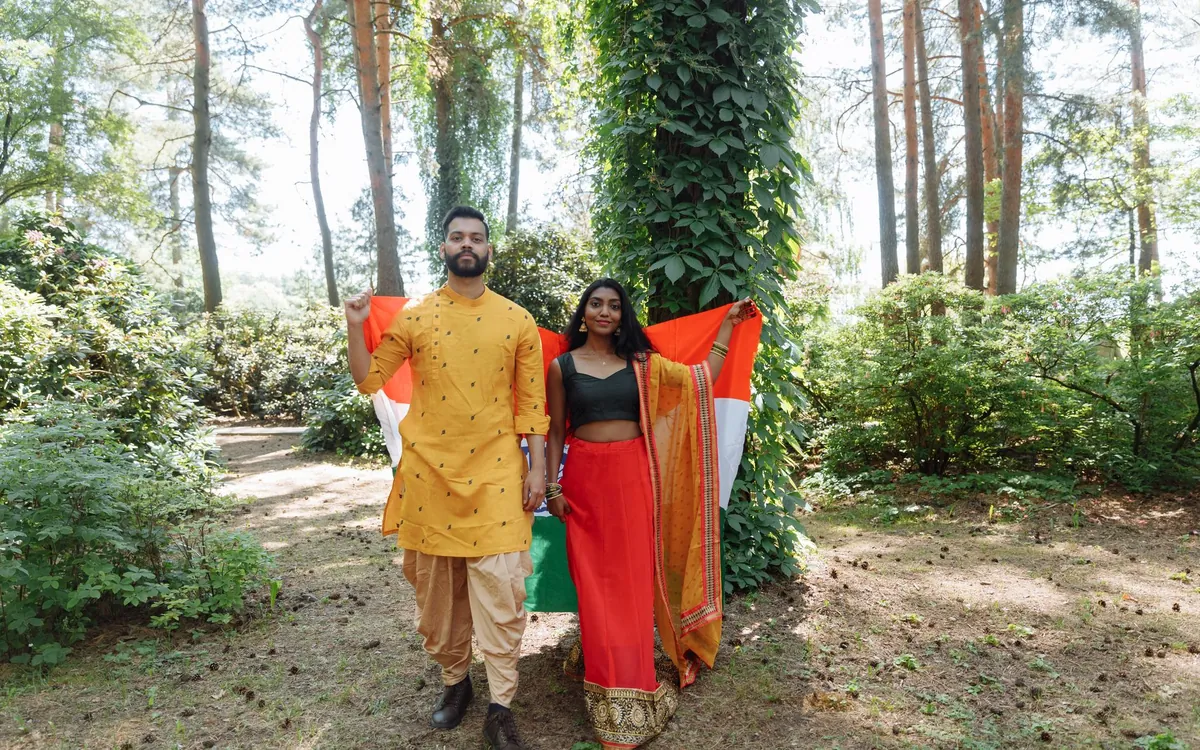
A simple way to decide
If you are still unsure, ask these three questions together as a family:
- Do both people genuinely want this, without pressure?
- Have we openly discussed health, children, careers and where we will live?
- Would we still like this match if the age column were hidden?
If the answer to all three is yes, the age gap is probably the least of your concerns. Start the conversation, meet the family and let the person, not the number, guide you. Create your profile on Goswami Matrimony today and begin with an open mind.
Frequently asked questions
What is the ideal age gap between husband and wife?
There is no single ideal number. Many Indian couples have a gap of two to five years, which tends to put both partners at a similar life stage. What matters more is shared values, maturity and agreement on future plans.
Is it okay if the wife is older than the husband?
Yes. If both people respect each other and agree on their plans, a bride who is older than the groom is no barrier to a good marriage. The main hurdle is usually family habit, which often eases once relatives meet the couple.
Does a 10-year age gap cause problems in marriage?
Not necessarily. Many marriages with a ten-year gap are happy. It is wise to discuss health, children, careers and lifestyle openly, because these may differ more when one partner is much older.
Does kundli matching consider the age gap?
Traditional guna milan is based on birth details such as nakshatra and moon sign, not the age difference itself. Families who want guidance on a particular match should consult their astrologer, while judging age and maturity separately.
How do I convince my parents to accept an age gap?
Explain your reasons calmly and specifically, such as shared values and how the person treats you and your family. Invite your parents to meet the person and their family. Most parents worry less once they see the match for themselves.