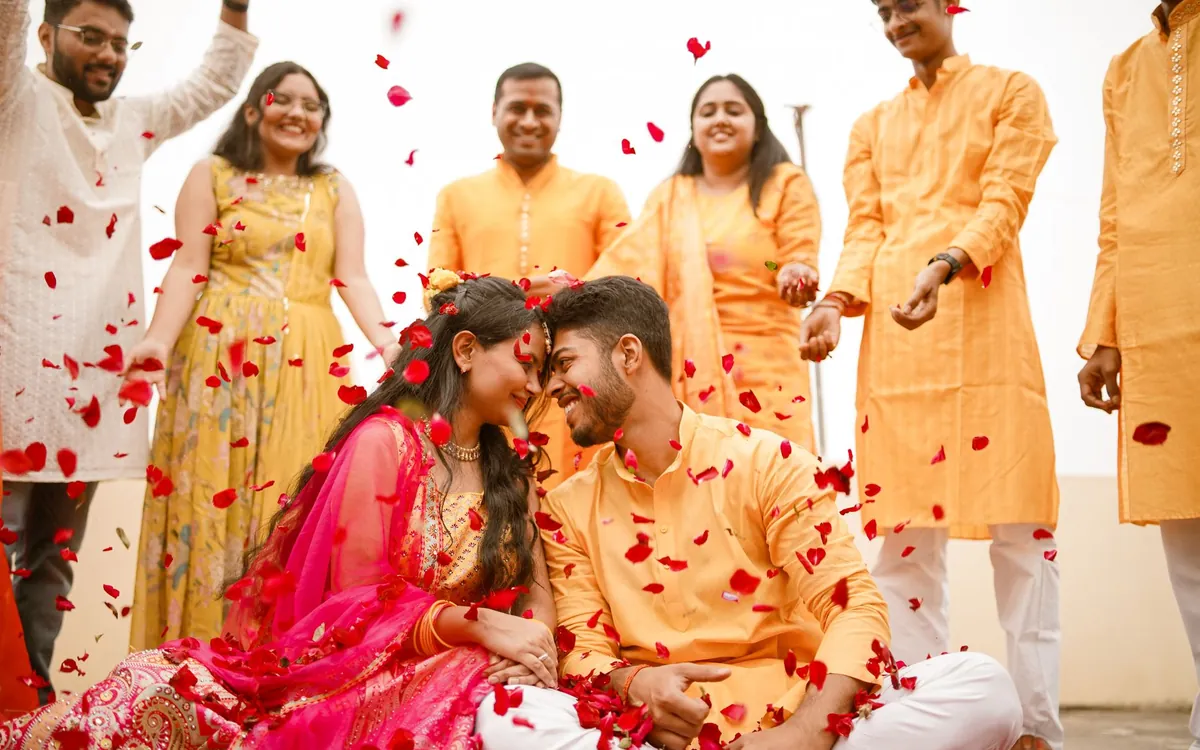
The first Diwali after marriage is a special occasion for a new couple and both their families. In many Hindu homes the new bride celebrates it at her sasural with her first Lakshmi puja, while her parents send gifts and sweets, and the couple visits the bride's family during the festive days. The key to a happy first Diwali is planning visits early, respecting both families' customs, and keeping gifts thoughtful rather than lavish.
Why the first Diwali matters so much
Diwali is about light, prosperity and new beginnings, so it is natural that families give extra importance to the first one after a wedding. For the groom's family, the new bride is often seen as a form of Lakshmi entering the home, and her first Diwali puja feels like a blessing on the household. For the bride's family, it is the first big festival their daughter celebrates away from them, which can be emotional for parents.
For the couple, it is also the first time they host, visit and celebrate together as a unit. Small decisions, like where to spend Dhanteras or who visits whom on Bhai Dooj, can feel bigger than they are. A little planning goes a long way.
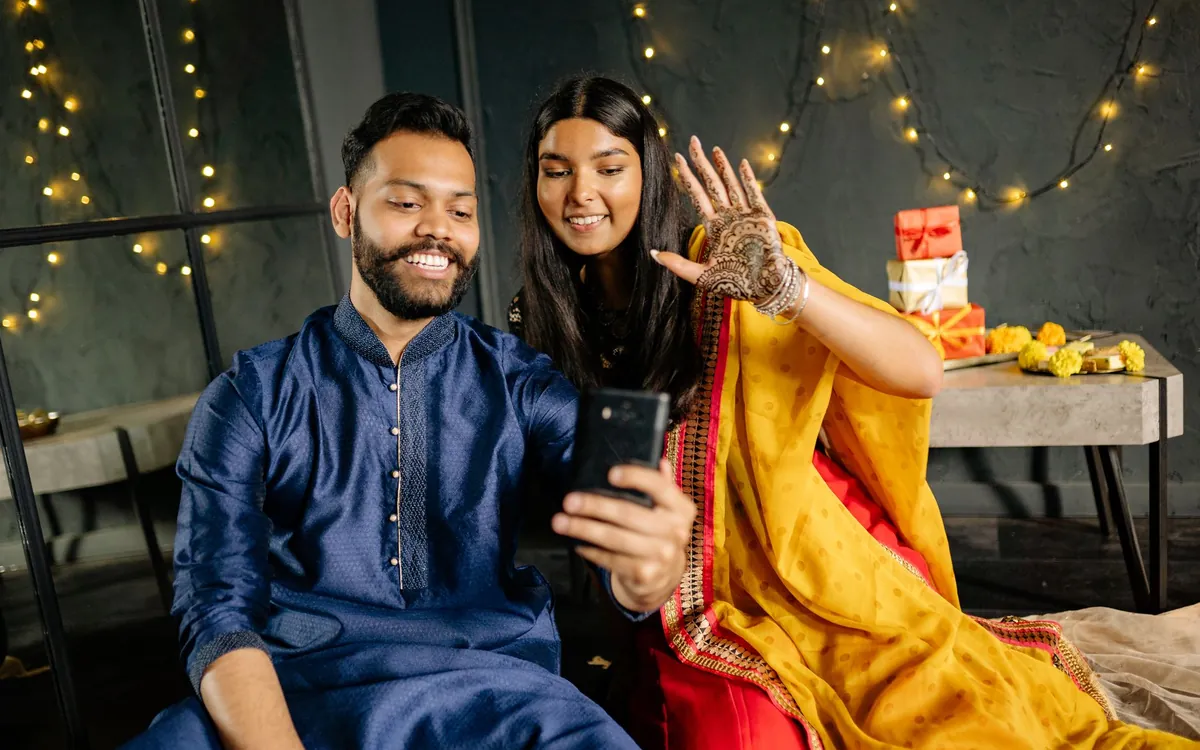
Common first-Diwali customs
Customs vary across regions and families, so treat this as a general picture and ask elders what your own family follows.
At the sasural
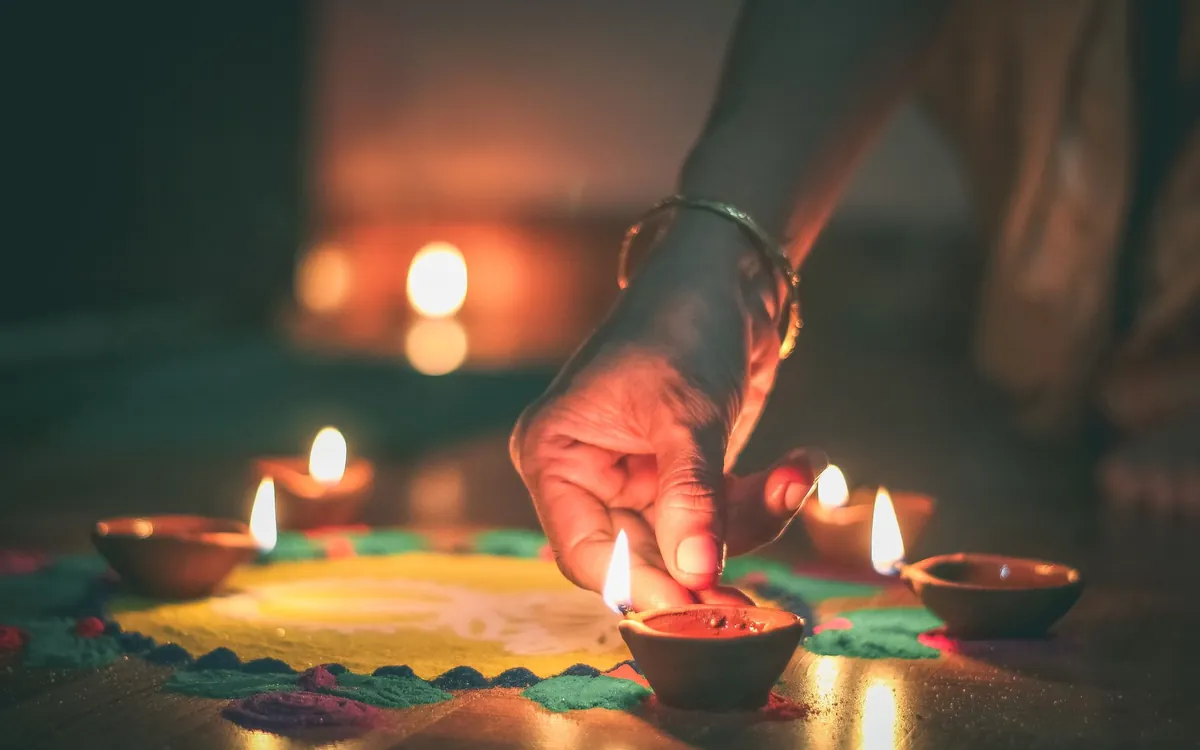
- The bride's first Lakshmi puja. Many families ask the new bride to sit with the mother-in-law for the main puja, light the first diya, or make the rangoli at the entrance.
- New clothes and jewellery. The bride often wears a new saree or lehenga and some of her wedding jewellery. Families may gift her something new for the occasion.
- Lighting diyas together. Couples often light diyas together across the home, a simple custom many find meaningful.
- Visiting relatives. Elders may take the new couple to relatives' homes so the bride is introduced to the wider family during the festival.
From the bride's family
In many North Indian families, the bride's parents send a Diwali gift to her sasural, often sweets, dry fruits, clothes for the couple, and small gifts for the in-laws. This is sometimes called the Diwali tyohaar or sandhara, though names differ by region.
It should be a gesture of love, sized to what the family can comfortably afford. Nobody should be pressured into expensive items, and any demand placed on the bride's family moves from tradition into dowry, which has no place in a respectful marriage.
Bhai Dooj
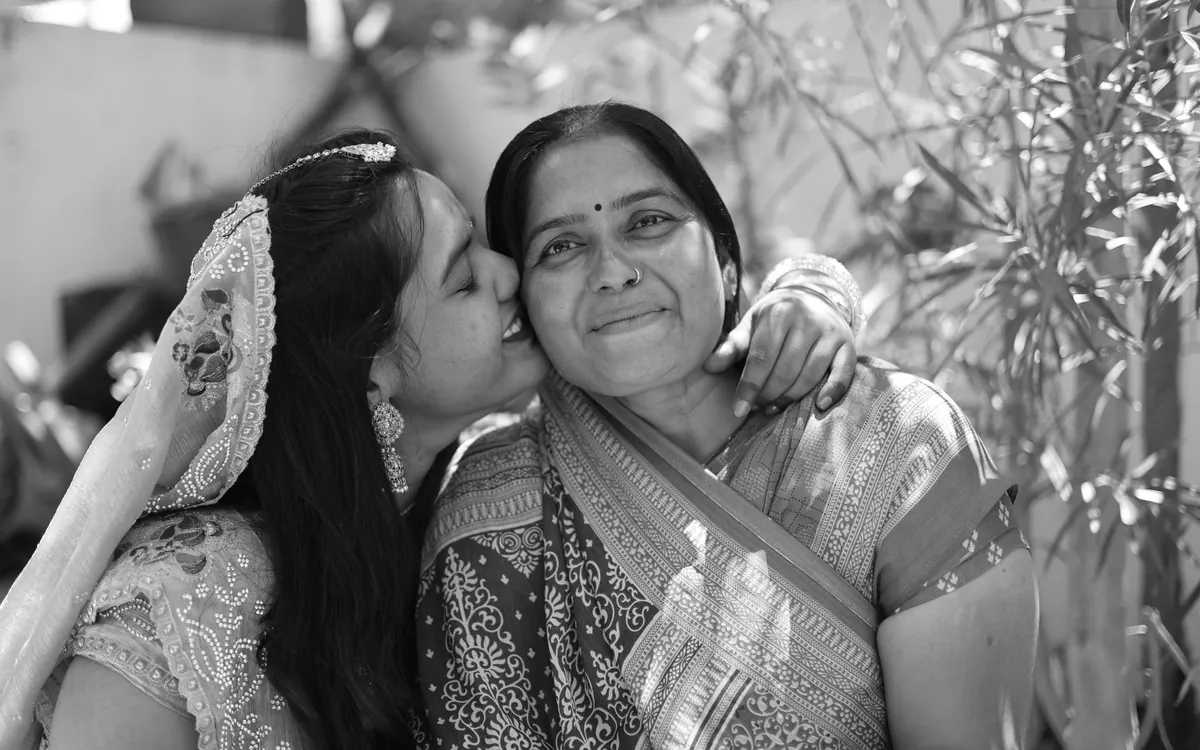
Bhai Dooj, which follows Diwali, is when sisters pray for their brothers. Many new brides visit their parental home for this, or their brothers come to the sasural. It is a good chance for the bride to spend time with her own family during the festive week.
Balancing visits between both families
This is the part that causes the most stress for newlyweds, especially when both families live in different cities.
- Talk early, ideally a month before. Train and flight tickets around Diwali fill up fast, and last-minute plans tend to upset someone.
- Agree as a couple before telling the families. Present one plan together rather than each person negotiating separately with their own parents.
- Split the days fairly. A common approach is Dhanteras and the main Diwali puja at the groom's family home, followed by a visit to the bride's parents for Bhai Dooj or the day after. Some couples alternate years.
- Be open to the other family's feelings. The bride's parents may miss her badly this first year. A video call during their puja can mean a lot, even if a visit is not possible.
- If you live separately or abroad, plan a visit to each family during the festive season, or invite both sets of parents to your home if that works for everyone.
Our guide to building a good relationship with your in-laws has more on handling these conversations with patience.
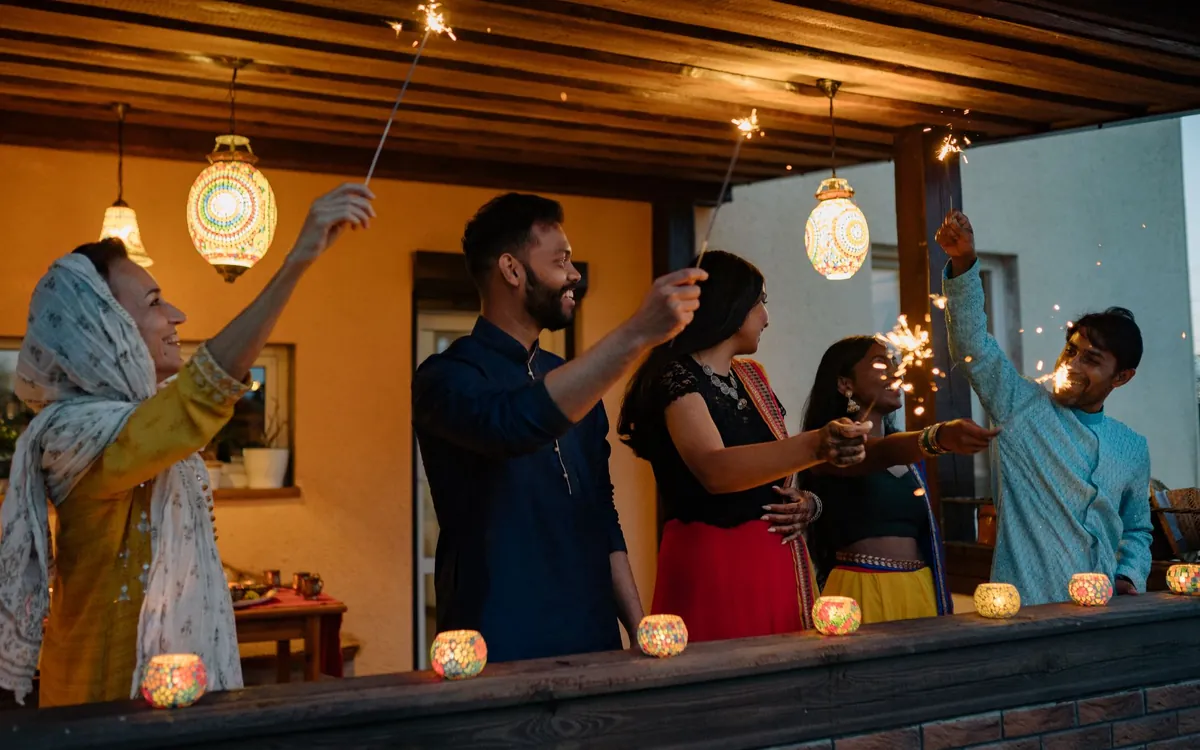
Gifts for the first Diwali
Gifting is a big part of the festival, and newlyweds often feel pressure to get it right.
Gift ideas from the couple
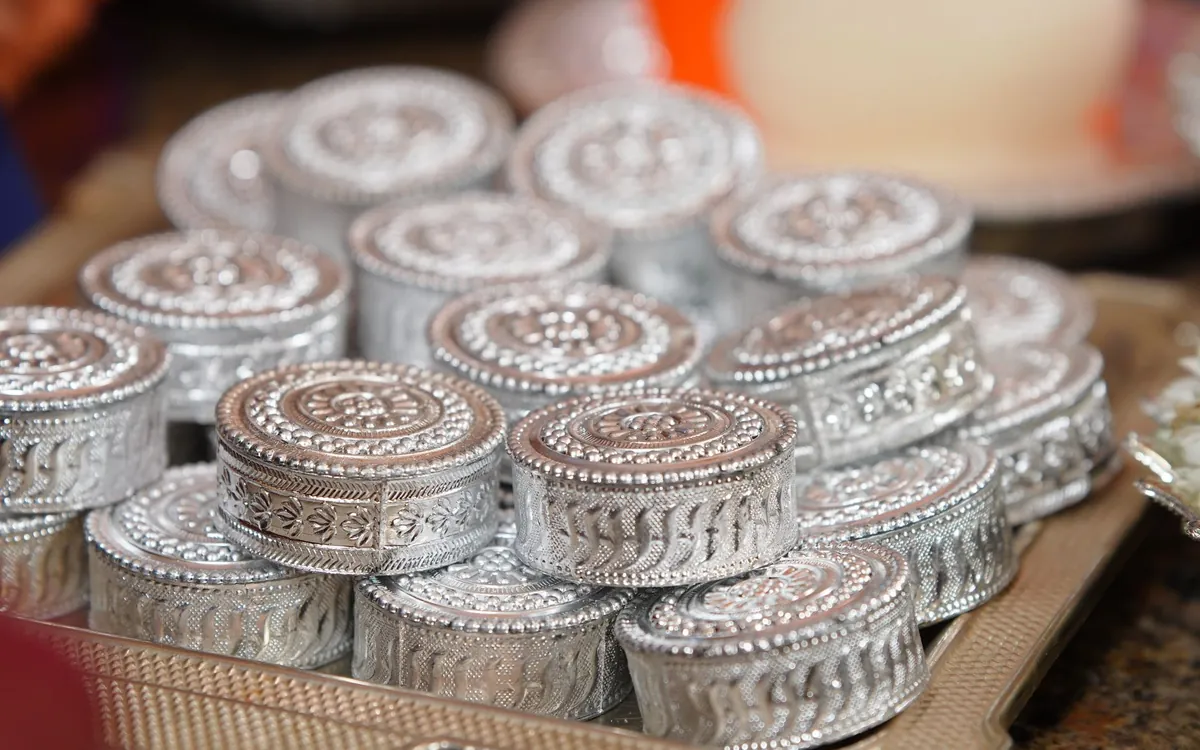
- For in-laws: a shawl, a silver diya, a good box of dry fruits, or something they have mentioned needing for the home.
- For the bride's parents: a thoughtful gift from the son-in-law, such as a framed wedding photo or a gift hamper, is usually received warmly.
- For siblings and cousins: sweets, chocolates or small personal gifts; children love new clothes or a little cash.
- For house help and staff: a box of mithai and some cash, as many Indian households already do.
Keep it within your means
New couples often face many expenses in the first year. It is perfectly fine to set a gift budget together and stick to it. And if you are puzzling over amounts for cash gifts, our piece on shagun and wedding gift ideas explains the custom of odd amounts.
Tips for a happy and calm first Diwali
- For the new bride: you do not need to know every ritual. Ask your mother-in-law or an elder to guide you, and they will usually be happy to. Taking part with sincerity matters more than perfection.
- For the groom: be the bridge. Help your wife feel included, introduce her to relatives she has not met, and make sure her own family's feelings are respected too.
- For both sets of parents: remember the couple is still settling in. Clear, kind expectations make the festival easier for everyone.
- Look after yourselves. Late nights, heavy food and back-to-back visits can be tiring. Firecrackers can also be stressful for elders, children and pets, so many families now prefer a quieter, greener Diwali.
- Take photos. You will want to remember your first Diwali together.
If the bride also observed her first Karwa Chauth this season, our Karwa Chauth guide for newlyweds covers those customs, and our tips on adjusting to married life are useful through the whole first year.
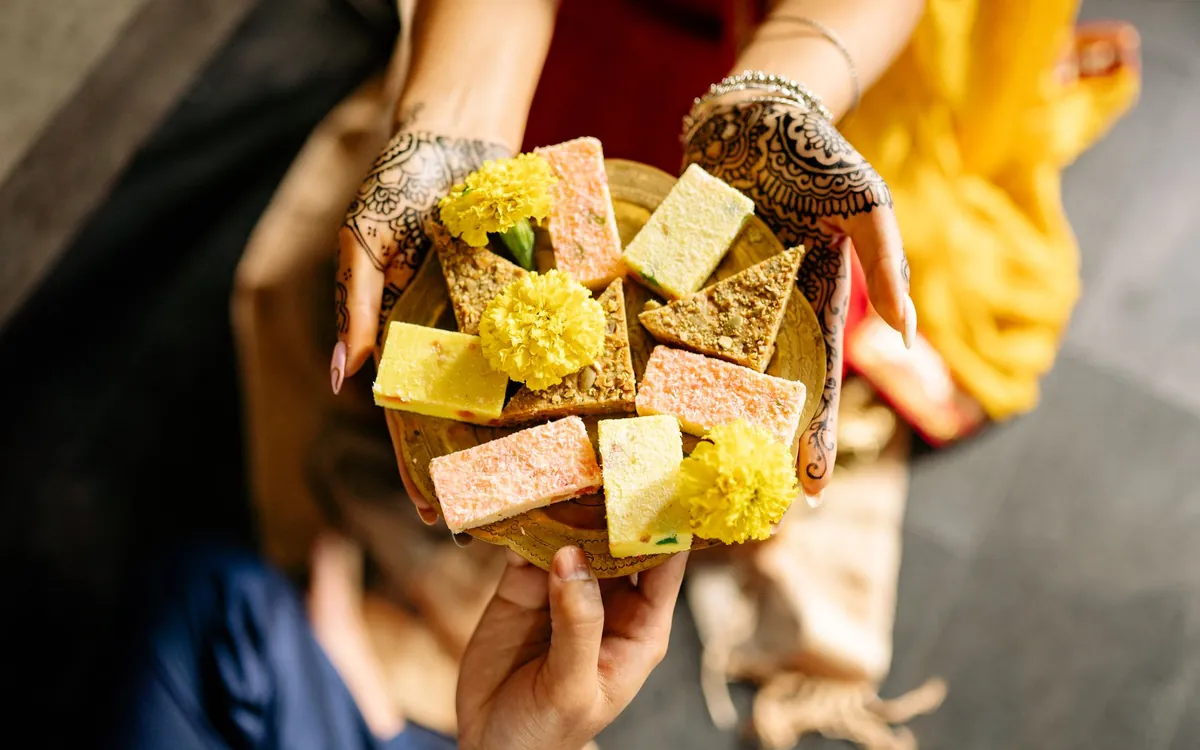
Looking for a match for next Diwali?
If your family is hoping to celebrate a first Diwali next year, Goswami Matrimony makes it easier to find a suitable match within the Goswami and Dashnami community. Browse brides and grooms, or register your profile this festive season and start the conversation.
Frequently asked questions
Where should a new bride celebrate her first Diwali?
In many Hindu families the new bride celebrates her first Diwali at her sasural, where she takes part in the Lakshmi puja. Customs vary, so some families plan the main puja at one home and a visit to the other during the festive week.
What does the bride's family send for the first Diwali?
Many families send sweets, dry fruits, clothes and small gifts to the bride's in-laws. This should be an affectionate gesture within the family's means, never a demand or an expensive obligation.
What gifts can a newly married couple give on Diwali?
Popular choices include dry fruit boxes, shawls, silver diyas, home decor and framed photos for both sets of parents, and sweets or small gifts for siblings and children. Setting a shared budget helps keep festival spending comfortable.
How do we split Diwali between both families?
Discuss it as a couple early and agree on a plan before telling your parents. Many couples spend the main puja with the groom's family and visit the bride's parents for Bhai Dooj, while others alternate years.
What if we cannot visit family on our first Diwali?
That is fine and quite common for couples living in other cities or abroad. Join the family puja by video call, send gifts and sweets in advance, and plan a visit to both families when you can.