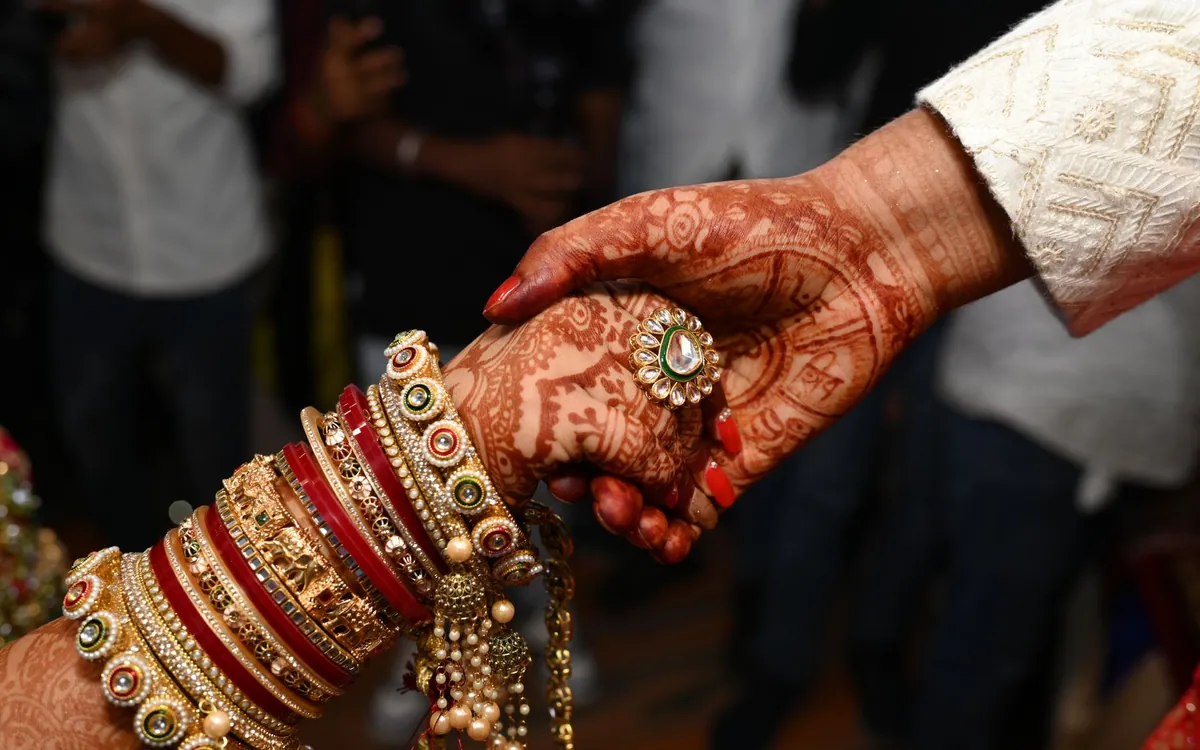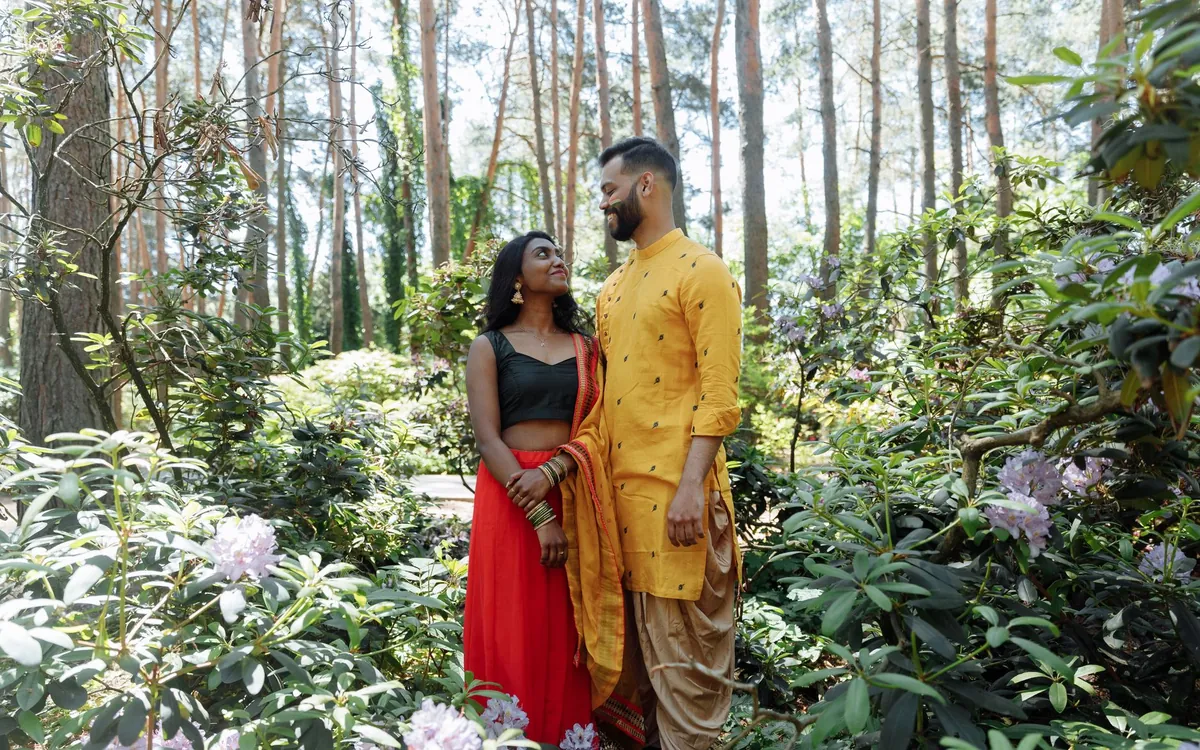
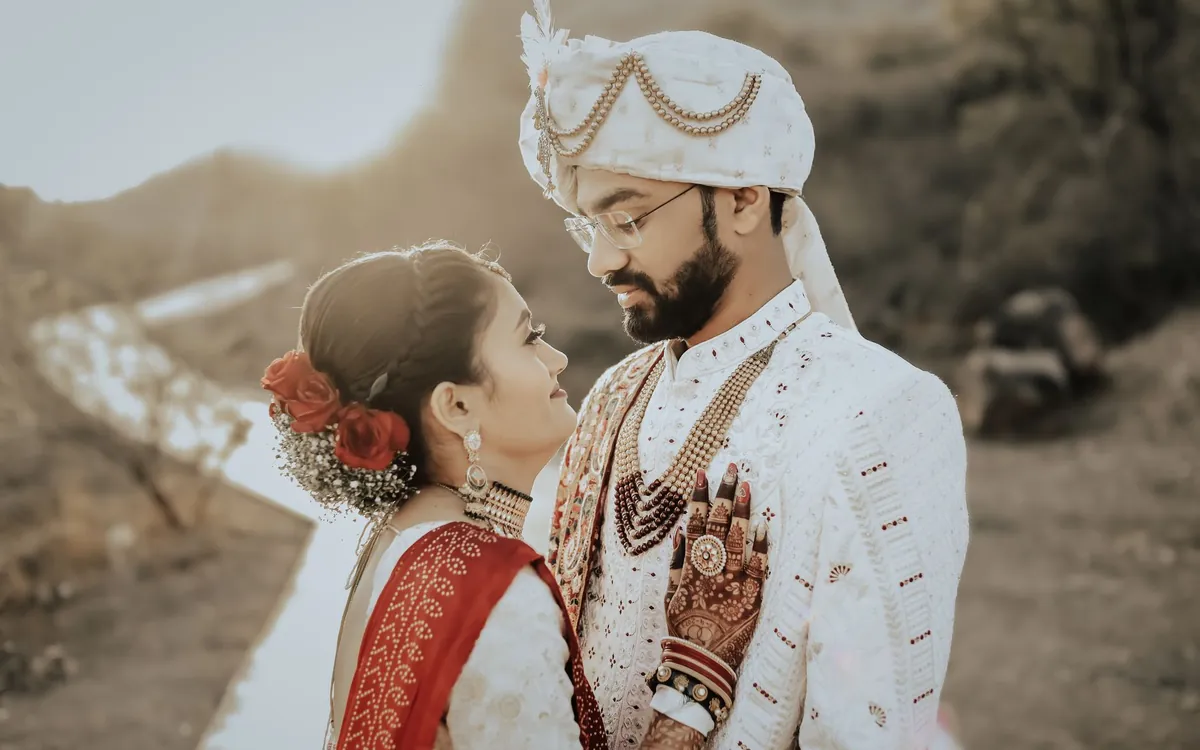
Ask any elder and they will tell you weddings once meant lists — of gold, of cash, of "gifts" that were anything but voluntary. That world is fading. Dowry has been illegal in India since 1961, courts take it seriously, and a growing number of families across communities, including the Goswami samaj, now take quiet pride in a dowry-free marriage. This is a look at what that means in practice, why simpler weddings are rising, and how to bring it up without friction.
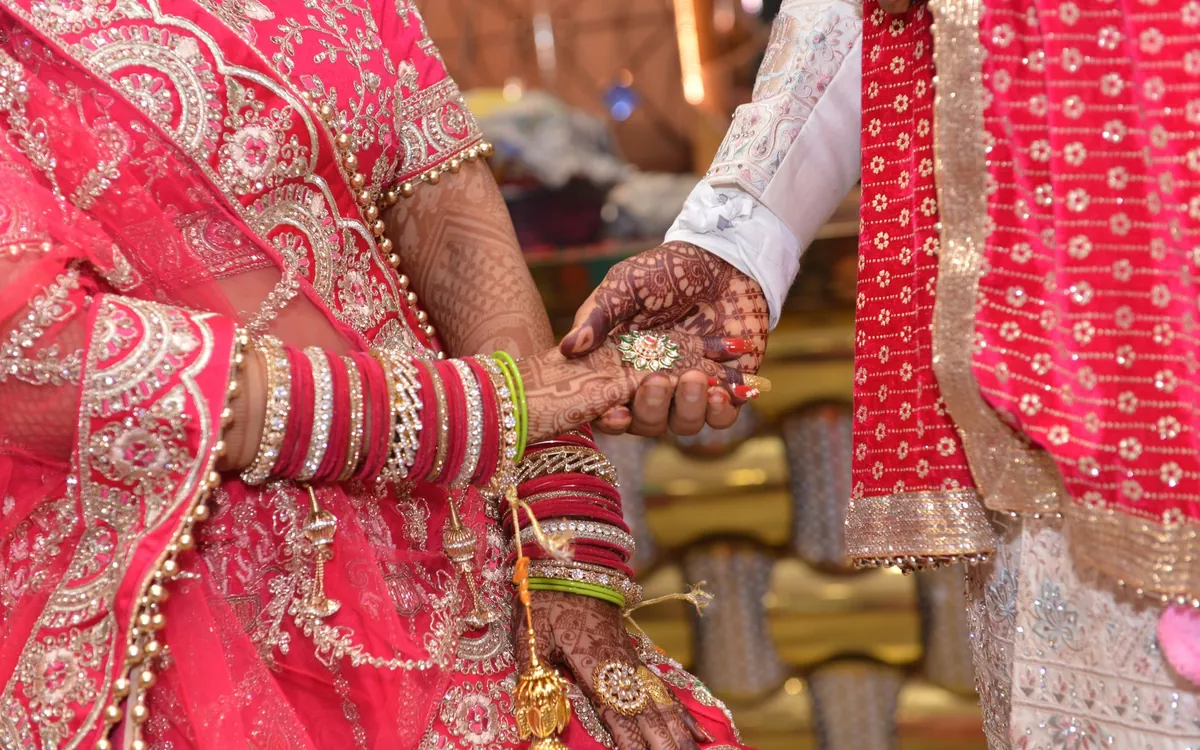
What "dowry-free" actually means
A dowry-free marriage is one where neither family demands, expects, or gives dowry — money, property, vehicles or expensive goods — as a condition of the marriage. It does not mean no gifts at all; families still exchange blessings and tokens of love freely. The difference is consent and pressure: a gift given willingly is love; a "gift" expected as the price of a match is dowry, and it is both illegal and, increasingly, socially frowned upon.
Why simple weddings are on the rise
Several things are pushing families toward simpler, dowry-free celebrations:
- Education and earning daughters. When a daughter is educated and employed, the old logic of "compensating" the groom's family collapses. She brings her own worth.
- Cost and sense. Families are realising that lakhs spent on show could instead help the couple start their life — a home, savings, a business.
- Law and awareness. Anti-dowry law and public awareness have made open demands risky and shameful.
- A shift in values. Younger couples increasingly want a marriage that begins as an equal partnership, not a transaction.
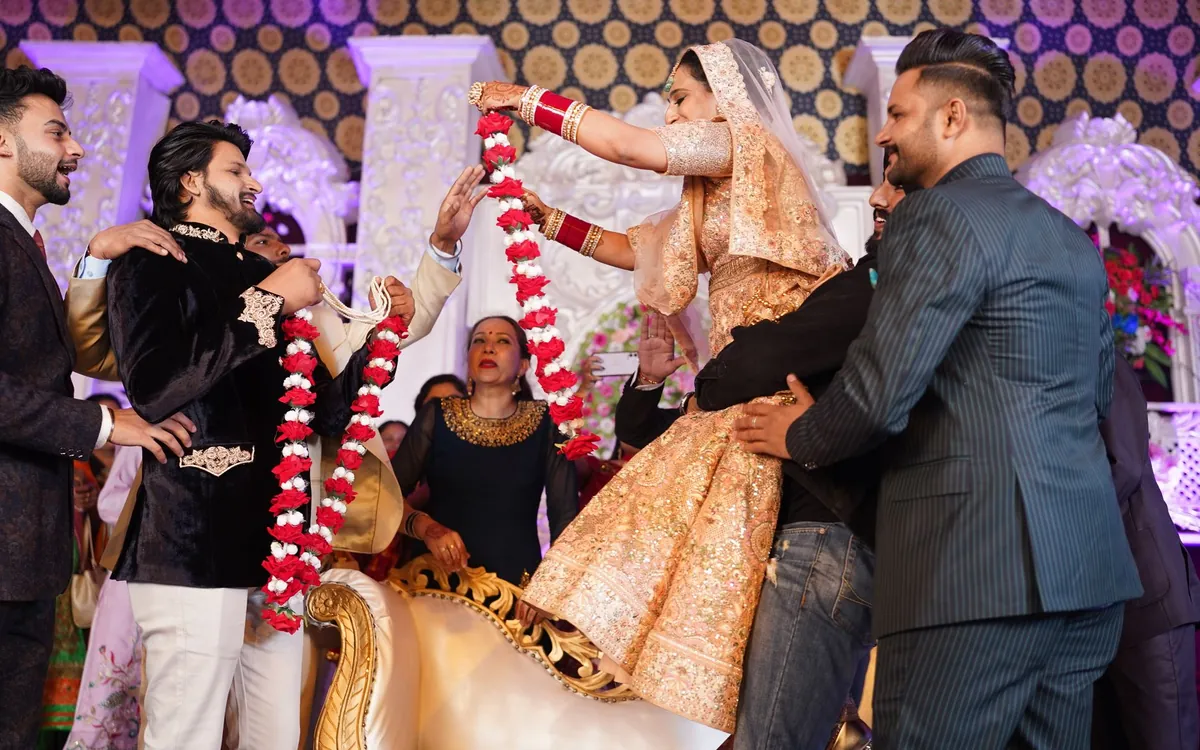
How families are keeping it simple
A dignified, dowry-free wedding often looks like this:
- A guest list built on closeness, not obligation.
- Spending directed at experience and hospitality rather than display.
- Gifts that are modest and mutual, given by both sides.
- An open agreement, early on, that no dowry will be asked or given.
None of this makes the wedding any less joyful or sacred. The phere, the blessings, the vidaai — all remain. What changes is that the celebration serves the couple, not the ego of the occasion.
How to raise the subject
Bringing up dowry can feel awkward, but it is far easier before a match is fixed than after. A few approaches that work:
- State your family's stance early and warmly. "We believe in a simple, dowry-free wedding" said at the start sets the tone and filters out mismatched families.
- Frame it as shared values, not a demand — most good families are relieved to hear it.
- Involve respected elders who can speak plainly if needed.
If a prospective family does raise dowry expectations, treat it as important information. A family that begins with demands rarely stops after the wedding.
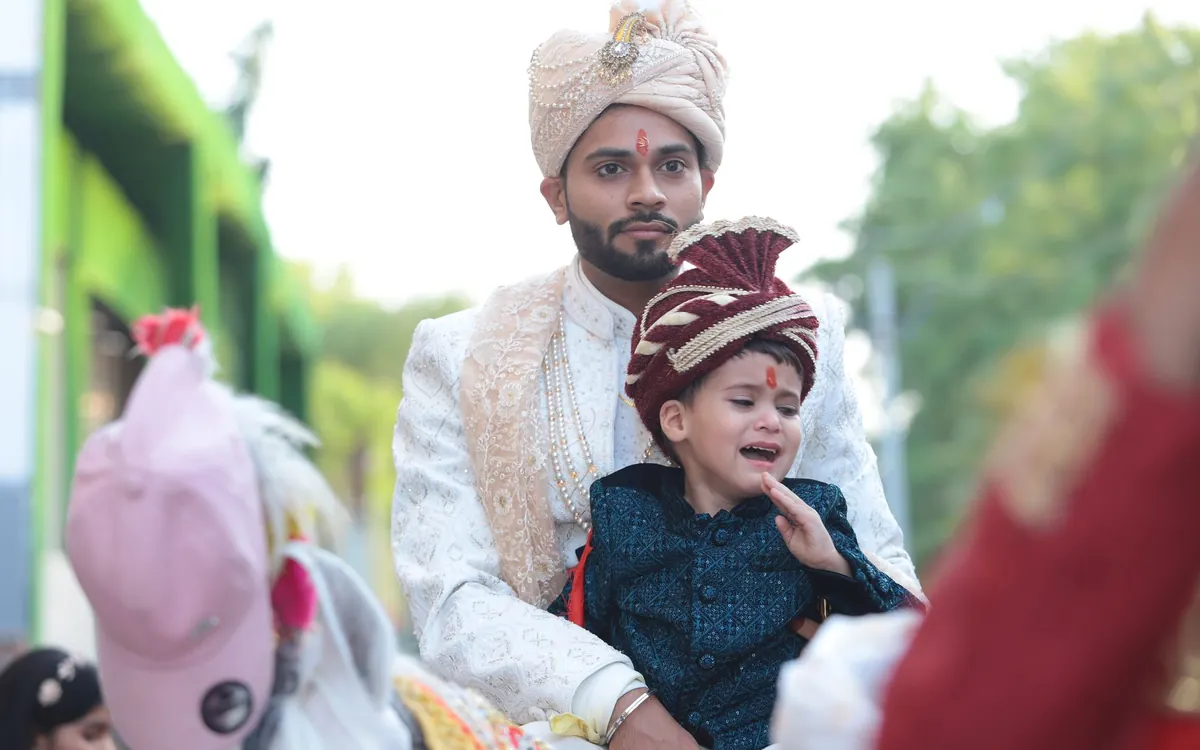
A healthier start
The best marriages start as partnerships between equals and between families who respect each other. Choosing a dowry-free wedding is one of the clearest signals that both sides value the couple over the show. If you are searching for a family that shares these values, you can browse verified Goswami brides and grooms and begin the conversation on the right footing.
Frequently asked questions
Is dowry illegal in India?
Yes. Giving or taking dowry has been prohibited under the Dowry Prohibition Act since 1961, and demanding dowry can lead to legal consequences. Voluntary gifts between families are different from dowry demanded as a condition of marriage.
What is the difference between a gift and dowry?
A gift is given freely, out of love, without being expected or demanded. Dowry is money or goods expected or demanded as a condition of the marriage. The presence of pressure or expectation is what makes it dowry.
How do I tell a family we want a dowry-free marriage?
Say it early, warmly, and as a shared value — for example, "we believe in a simple, dowry-free wedding." Raising it before a match is fixed sets the tone and helps both families align from the start.
Are simple weddings less respectful of tradition?
No. A simple wedding keeps all the sacred rituals — the phere, kanyadaan, blessings and vidaai. What changes is the scale of spending and display, not the meaning of the ceremony.
What if the other family demands dowry?
Treat it as serious information about their values. A family that begins with demands often continues them after marriage. Many families choose to step back from such matches in favour of one built on mutual respect.