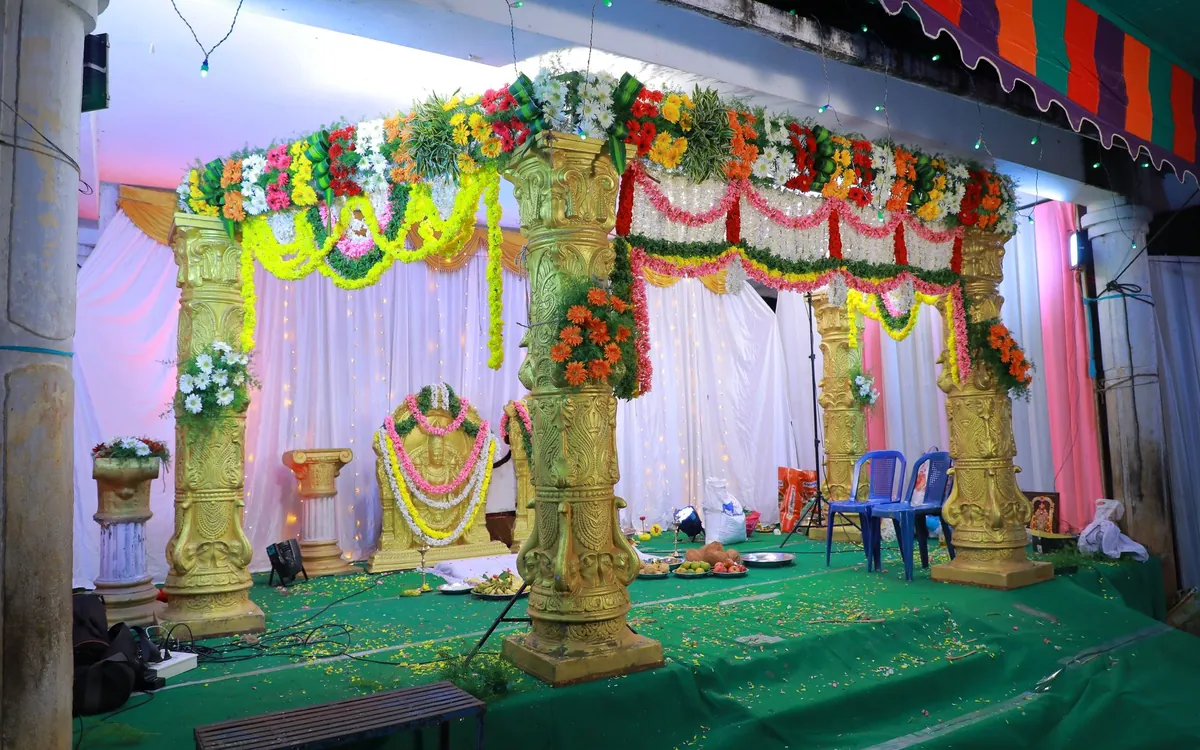
A Hindu wedding is not a single event but a sequence of small, meaningful ceremonies spread across days — each one a step that joins not just two people but two families. For Goswami (Dashnami) families, the customs follow the broad north-Indian Hindu pattern, with a few touches rooted in the community's spiritual heritage. Here is a plain walk through the journey, from the first commitment to the bride entering her new home.
Before the wedding
Roka / Thaka. The first formal step. Once both families agree to the match, they meet and exchange sweets and small gifts to "block" the alliance — a signal that the search is over and the families are now committed to each other.
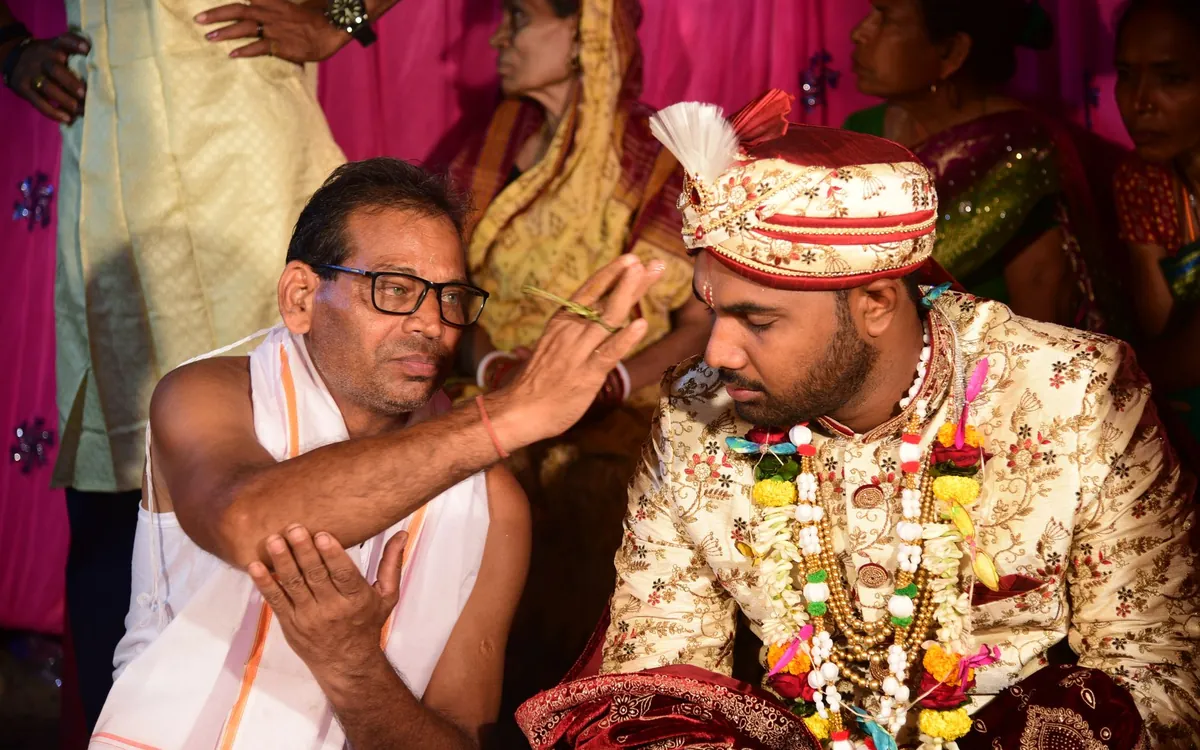
Sagai (engagement) and Tilak. The engagement makes it official. Rings may be exchanged, and in the tilak ceremony the bride's family applies a mark on the groom's forehead and offers gifts, formally accepting him as their son-in-law. Dates for the wedding are usually fixed here, often after consulting a priest for an auspicious muhurat.
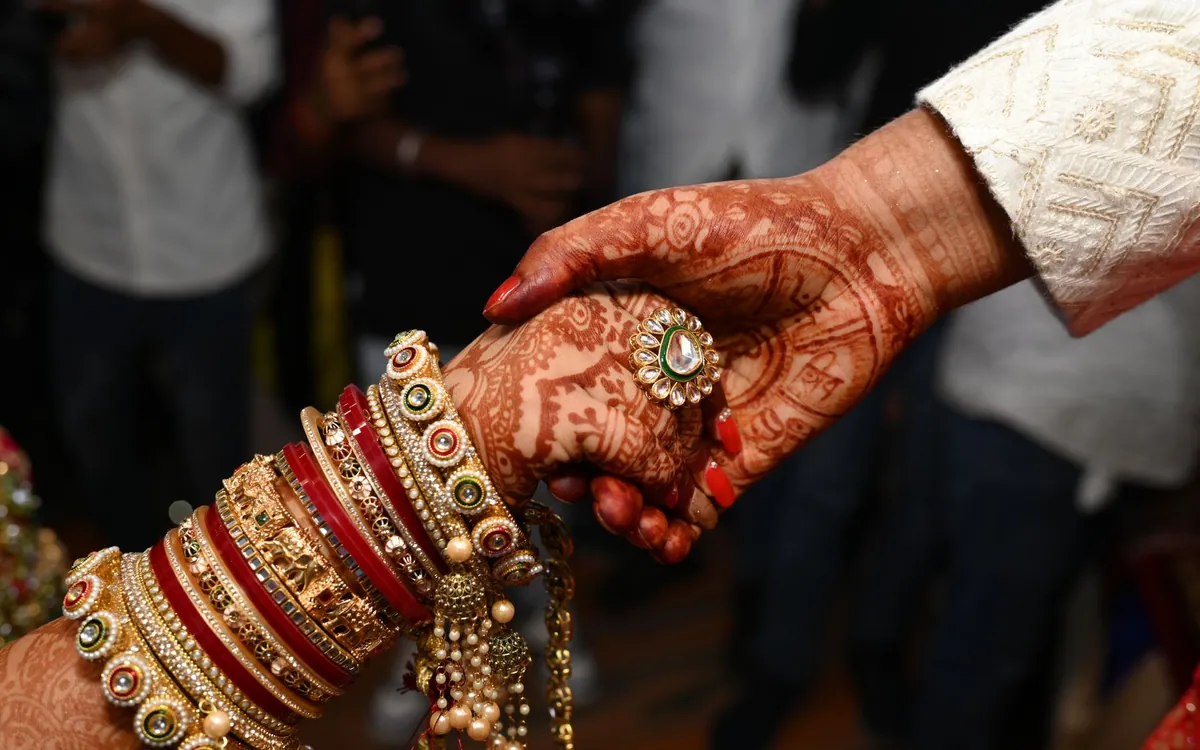
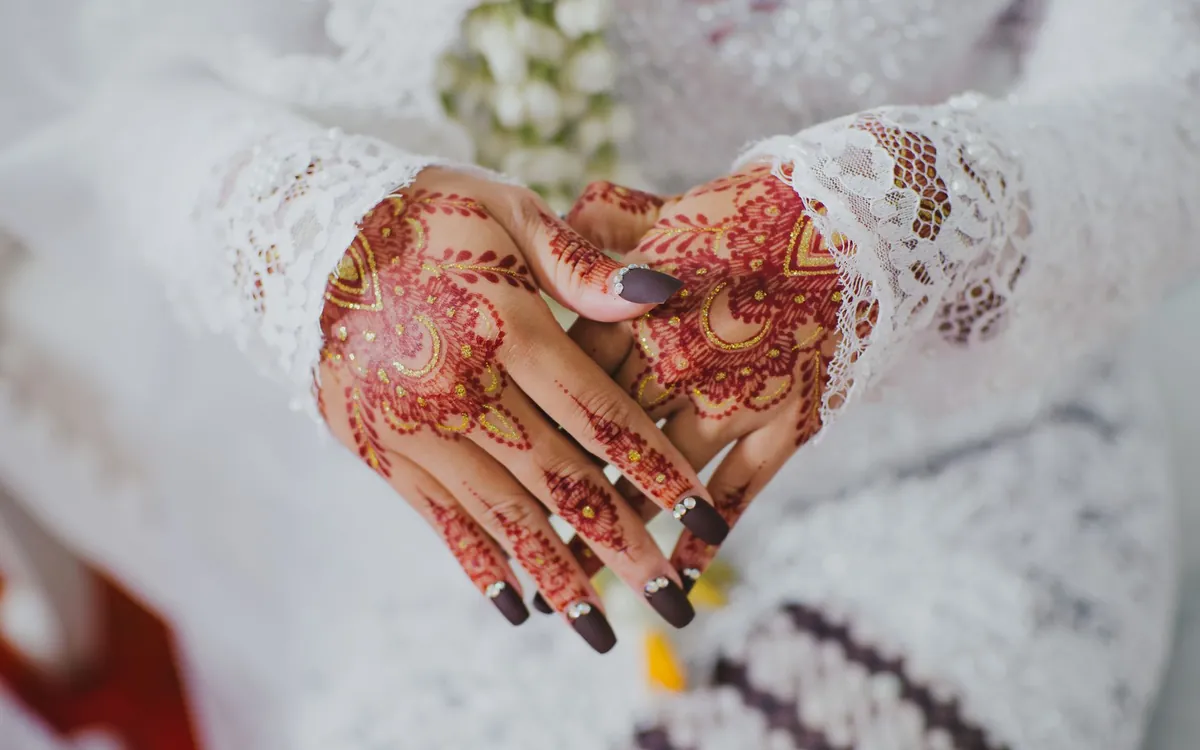
Haldi, Mehndi and Sangeet. In the days just before the wedding, the celebrations turn joyful and informal. A paste of turmeric (haldi) is applied to the bride and groom for a natural glow and blessings; the bride's hands and feet are decorated with intricate mehndi; and the sangeet fills the house with songs and dancing as both sides come together.
The wedding day
The wedding day itself moves through several rituals, usually guided by a priest around the sacred fire (agni), which is the witness to the marriage.
Baraat and Milni. The groom arrives with his procession — the baraat — often to music and dancing. At the venue, the two families greet each other in the milni, exchanging garlands and embraces.
Jaimala (Var Mala). The bride and groom exchange flower garlands, signalling their acceptance of one another. It is a light, happy moment, often with playful attempts to lift the groom or bride out of reach.
Kanyadaan. One of the most emotional rituals. The bride's parents formally give their daughter's hand to the groom, entrusting her to him and his family.
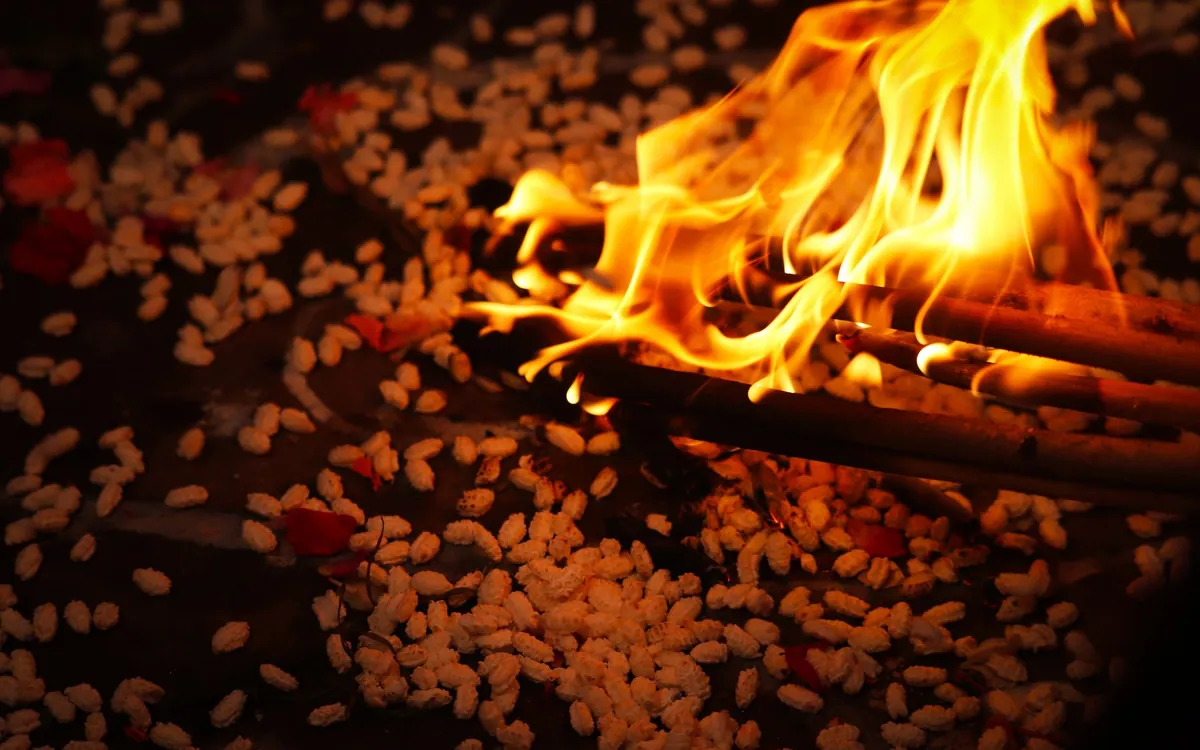
Phere (Saat Phere / Saptapadi). The heart of the ceremony. The couple walks around the sacred fire, traditionally seven times, each round representing a vow — for nourishment, strength, prosperity, family, and lifelong companionship. After the seventh step, the marriage is considered complete in the eyes of tradition.
Sindoor and Mangalsutra. The groom applies sindoor (vermilion) in the parting of the bride's hair and ties the mangalsutra around her neck — the visible symbols of a married woman.
The Goswami and Dashnami touch
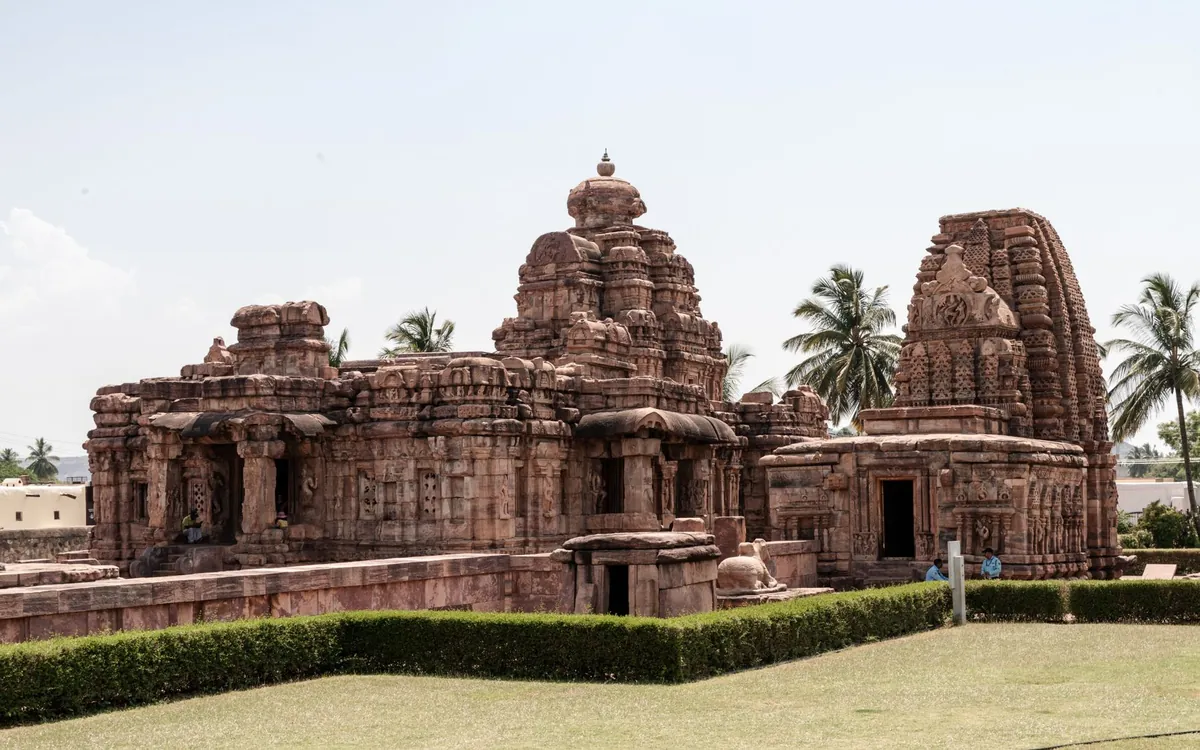
Because the Goswami community traces its roots to the Dashnami monastic tradition, many families keep a living connection to a temple or family guru. It is common for the couple to seek the blessing of the family deity (kuldevta) and, where there is a guru, to receive blessings from them as part of the celebrations. Temple visits before or after the wedding are a quiet but important part of many Goswami weddings.
After the wedding
Vidaai. The farewell. The bride leaves her parents' home to begin life with her husband's family — an emotional close to the wedding, marked by tears and blessings.
Griha Pravesh. The bride is welcomed into her new home, usually by gently toppling a small pot of rice at the threshold with her right foot, inviting prosperity into the household.
A note on regional variation
No two families do everything identically. Goswami families in Gujarat, Rajasthan, Maharashtra and the Hindi belt each carry small differences in ritual, dress and language — and that is perfectly normal. When two families are planning a wedding, it helps to sit together early and agree which customs each side follows, so the day flows smoothly for everyone.
Whatever the details, the thread running through every ceremony is the same: two families choosing to become one, with respect and blessings at the centre. If you are still searching for that match, you can browse verified Goswami brides and grooms to begin the journey.
Frequently asked questions
What are the main rituals in a Goswami Hindu wedding?
The core rituals include roka and tilak (commitment and engagement), haldi and mehndi (pre-wedding), and on the wedding day the jaimala, kanyadaan, and the saat phere around the sacred fire, followed by sindoor and mangalsutra. Vidaai and griha pravesh complete the celebrations.
What are the saat phere?
The saat phere (or saptapadi) are the seven rounds the couple takes around the sacred fire, each representing a marriage vow. After the seventh round the marriage is considered complete in Hindu tradition.
How is a Goswami wedding different from other Hindu weddings?
The rituals broadly follow the north-Indian Hindu pattern, but Goswami (Dashnami) families often add a spiritual dimension — seeking the blessing of the family deity or guru and maintaining a connection to their temple, reflecting the community's monastic heritage.
How many days does a Goswami wedding take?
It varies by family, but the ceremonies usually spread across two to four days — from the haldi, mehndi and sangeet to the wedding day itself and the vidaai the following day.
What is kanyadaan?
Kanyadaan is the ritual in which the bride's parents formally give their daughter's hand to the groom, entrusting her care to him and his family. It is one of the most emotional moments of the wedding.