A day or two before the wedding, the mood turns bright and playful. Family gathers, music plays, and everyone takes turns smearing a golden turmeric paste on the bride and groom. This is the haldi ceremony — one of the most loved pre-wedding rituals, equal parts blessing and joyful mess. Here is what it means and why it endures.
What is the haldi ceremony?
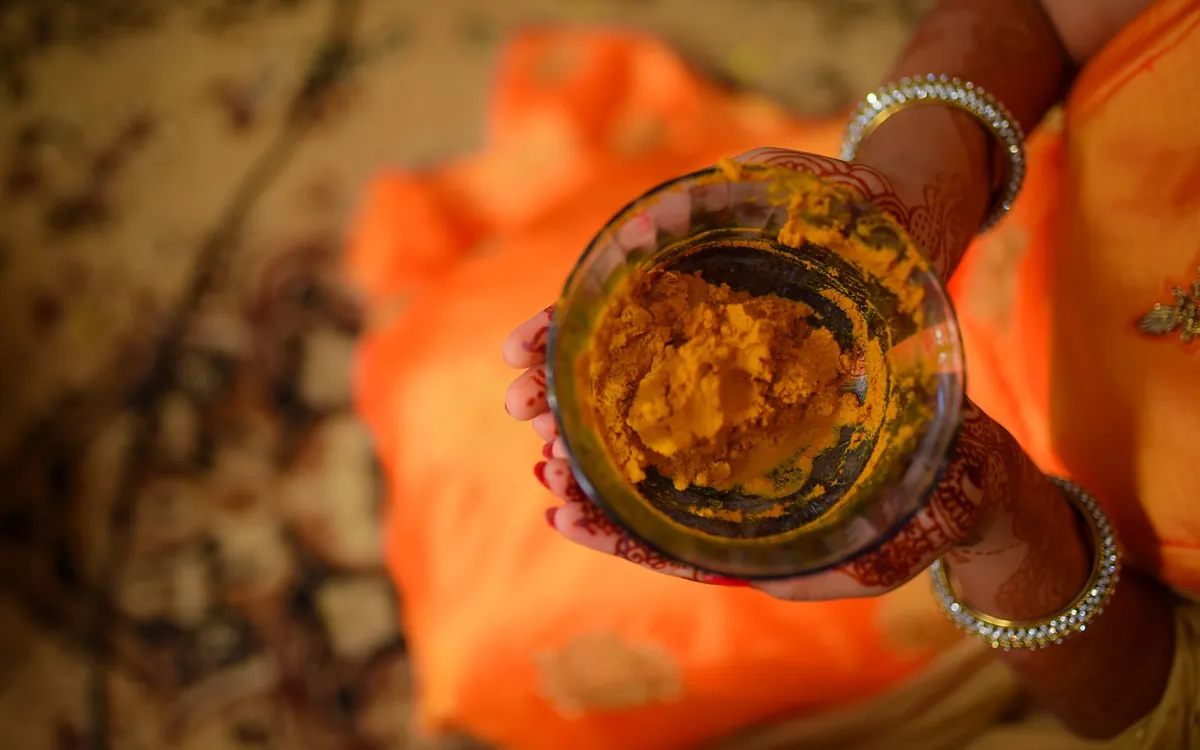
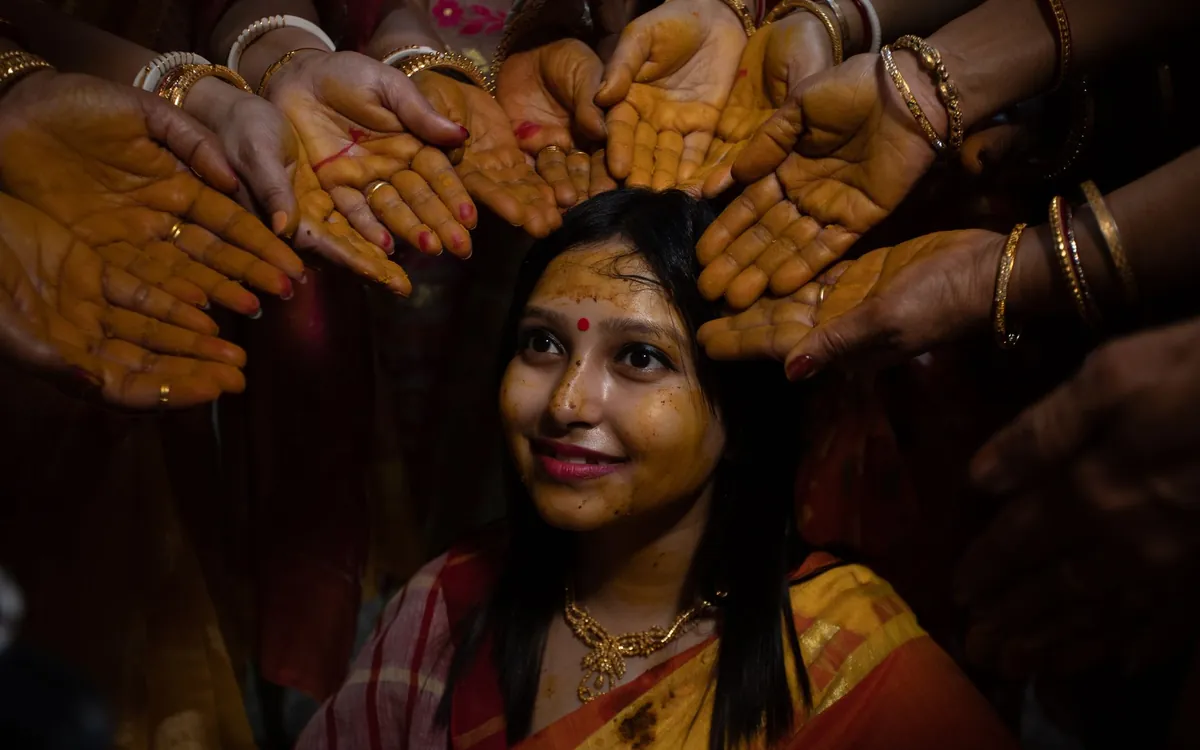
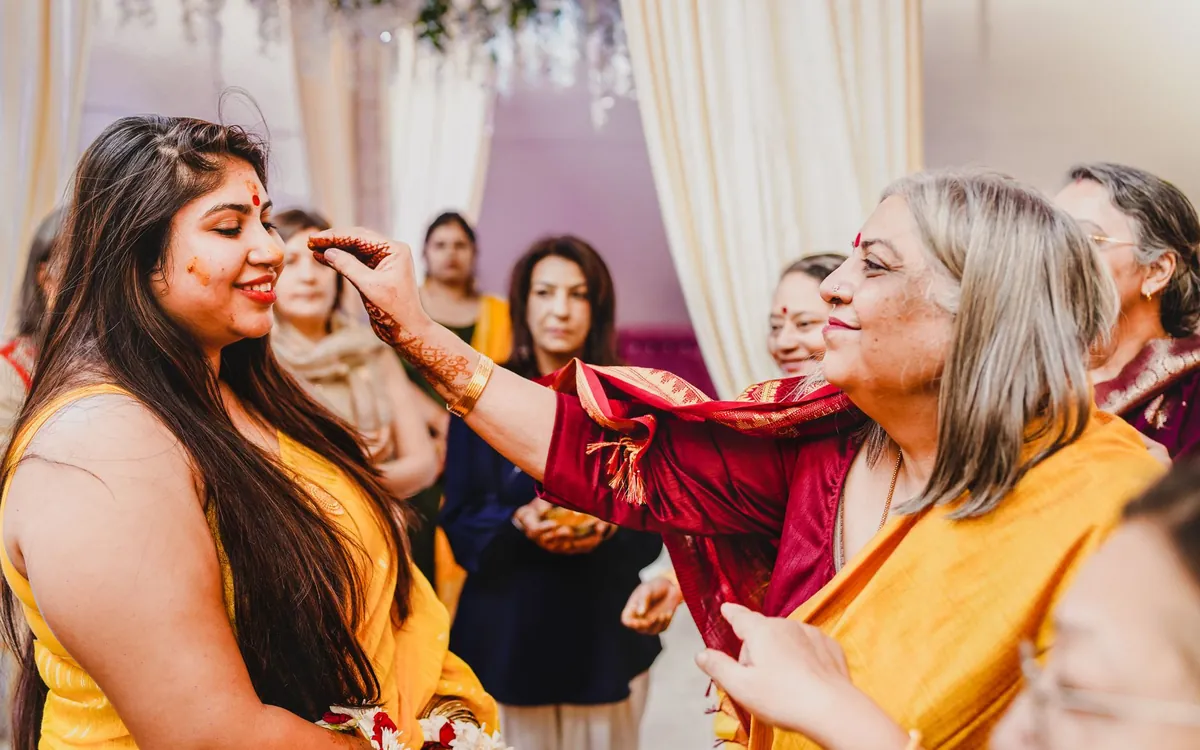
Haldi (turmeric) is mixed into a paste — often with sandalwood, rose water, oil or milk — and applied to the bride and groom, usually at their own homes on the morning of or before the wedding. Family members, starting with elders, take turns applying it. It is informal, colourful and full of laughter.
Why turmeric?
Turmeric is deeply woven into Indian life, and the ritual carries several meanings:
- A natural glow. Turmeric is prized for the skin; the paste is believed to give the couple a radiant bridal glow.
- Purity and blessing. The golden colour is auspicious, and the ritual is seen as blessing and protecting the couple before marriage.
- Warding off the evil eye. Traditionally, haldi is thought to protect the couple from negativity as they approach the wedding.
How it varies by region
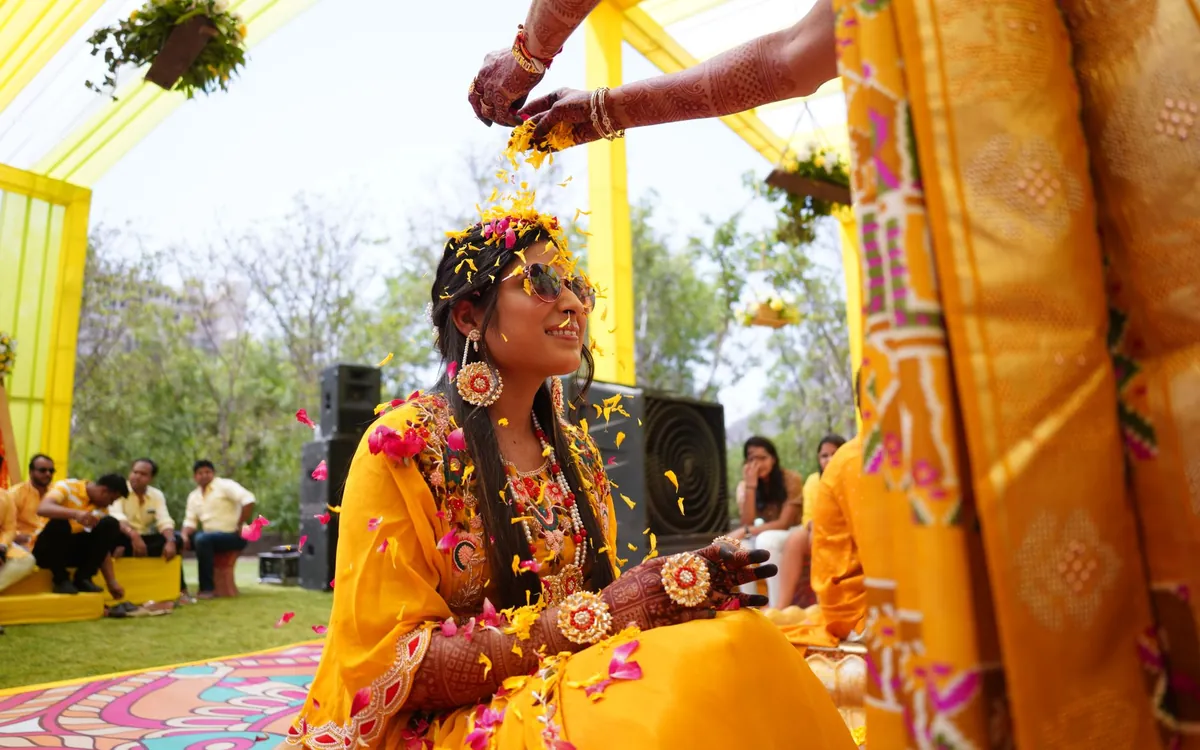
The heart of the ritual is the same across India, but names and details differ — pithi in Gujarat and Rajasthan, gaye holud in Bengal, mandha elsewhere. Some families keep it intimate; others turn it into a full celebration with yellow outfits, flowers and games. Goswami families, like most, adapt it to their own regional customs.
The mood matters as much as the ritual
Part of the haldi's charm is that it is unpolished and happy. Relatives tease, cousins get smeared too, and the couple ends up thoroughly yellow. That lightness is the point — it eases pre-wedding nerves and brings the family together in pure fun before the more solemn ceremonies.
A few gentle tips
- Wear old or dedicated clothes — turmeric stains for keeps.
- Do a small skin patch test beforehand if anyone has sensitive skin.
- Keep it joyful and inclusive — the haldi is meant to be shared.
The haldi is where a wedding first bursts into colour. Still searching for the match whose haldi you will celebrate one day? Browse verified Goswami brides and grooms.
Frequently asked questions
What is the haldi ceremony?
The haldi ceremony is a pre-wedding ritual where a turmeric paste is applied to the bride and groom by family members, usually at home before the wedding. It is joyful, colourful and considered a blessing.
Why is turmeric used in the haldi ceremony?
Turmeric is valued for giving the skin a natural glow, and its golden colour is auspicious. The ritual is believed to bless and protect the couple and give them a radiant look for the wedding.
When is the haldi ceremony held?
It is usually held on the morning of the wedding or a day before, often at the bride's and groom's own homes. Some families combine it with mehndi and sangeet celebrations.
What should you wear to a haldi ceremony?
Wear old or dedicated clothes, as turmeric stains permanently. Yellow outfits are popular and festive. Keeping it casual suits the playful, messy nature of the ritual.
Is the haldi ceremony the same across India?
The core ritual is the same, but names and details vary by region — pithi in Gujarat and Rajasthan, gaye holud in Bengal, and so on. Families adapt it to their own customs.