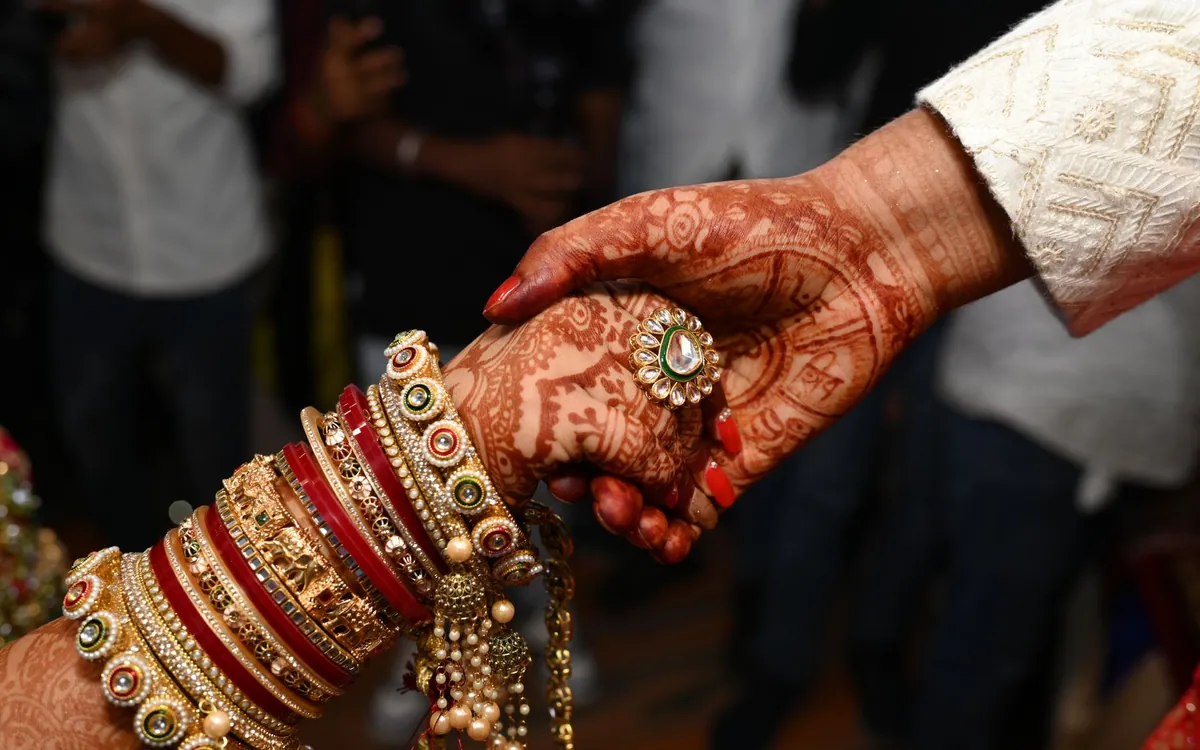
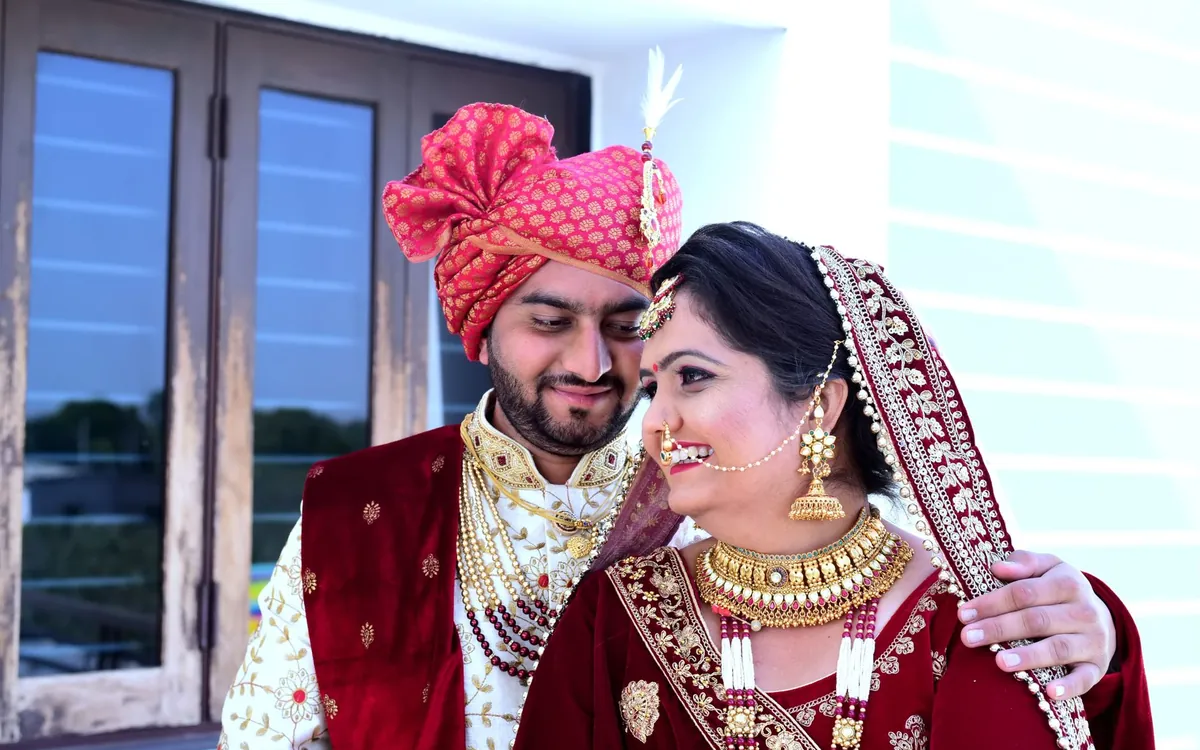
Love does not always stay within the boundaries families expect. Inter-caste marriage — between people of different castes or communities — is fully legal in India and slowly becoming more accepted, though it can still bring family and social challenges. Here is a balanced look at the law, the realities, and how couples navigate them.
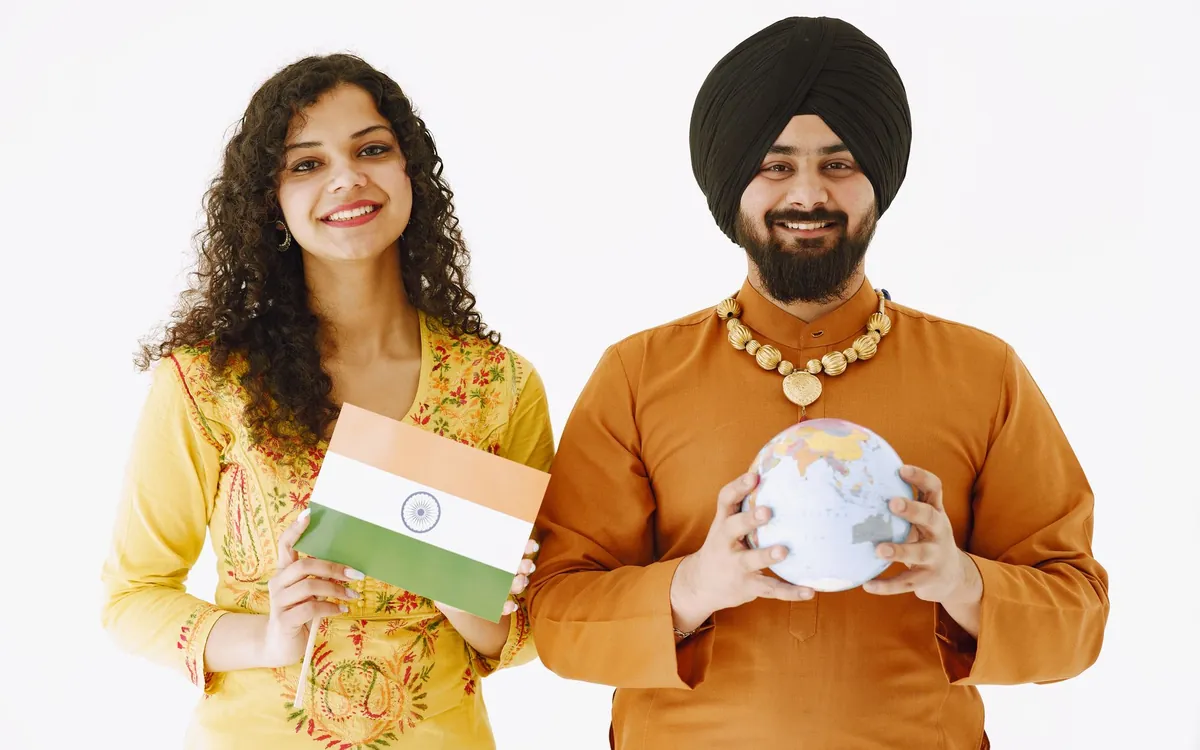
The legal position
Inter-caste marriage is completely legal in India. Adults of any caste or community may marry under the Special Marriage Act (for civil marriage) or under their personal law where applicable. The Constitution protects the right of consenting adults to marry the person of their choice, and courts have consistently upheld it. Several states also offer incentive schemes to encourage and support inter-caste marriages.
The family reality
The law is clear; families are sometimes more complicated. Common concerns include worries about social reaction, traditions, and "what people will say". These are real but usually surmountable. What helps:
- Patience and communication. Give families time; sudden announcements meet more resistance than gradual, honest conversations.
- Involving respected elders who can mediate.
- Showing the strength of the match — a stable, respectful relationship reassures parents more than any argument.

Challenges couples may face
Some couples face opposition, social pressure, or in difficult cases, safety concerns. It is important to know that adults have full legal protection, that police and courts can be approached if anyone is threatened, and that organisations and helplines exist to support couples facing coercion. No family has the legal right to force or prevent the marriage of consenting adults.
Building acceptance over time
Many inter-caste marriages that begin with resistance end in full acceptance. Once families see a happy, respectful couple and, often, grandchildren, old objections tend to soften. Time, dignity and steadiness win more hearts than confrontation.
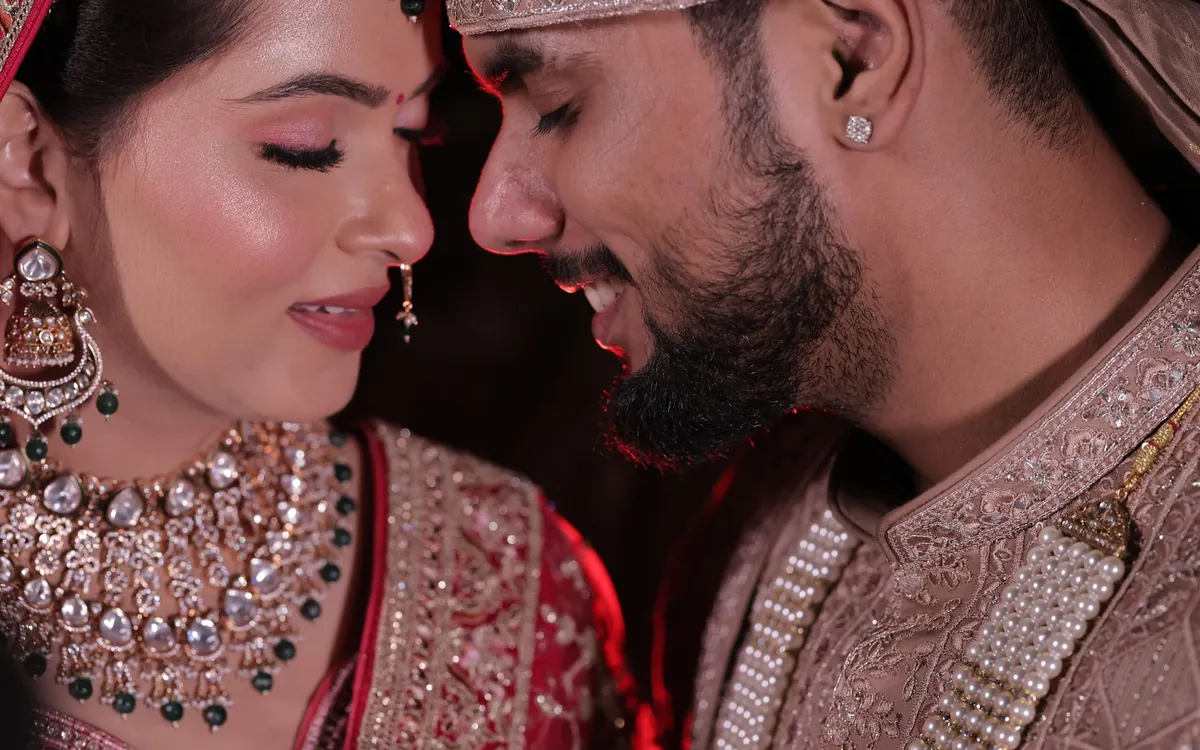
A personal decision, a protected right
Marrying across caste is a deeply personal choice, and it is one the law firmly protects. Approached with patience, honesty and the support of well-wishers, it can lead to a marriage as strong and happy as any other.
Whether you seek a match within your community or beyond it, it begins with meeting the right person. Browse verified Goswami brides and grooms to start.
Frequently asked questions
Is inter-caste marriage legal in India?
Yes, inter-caste marriage is completely legal. Consenting adults may marry under the Special Marriage Act or their personal law, and the Constitution and courts protect the right to marry a person of one's choice.
Are there government incentives for inter-caste marriage?
Several states offer incentive schemes to encourage and support inter-caste marriages, particularly where one partner belongs to a Scheduled Caste. The details and eligibility vary by state.
How do I get my family to accept an inter-caste marriage?
Patience and honest communication help most — give families time, involve respected elders to mediate, and let the strength and stability of the relationship reassure them. Many families accept the marriage over time.
What legal protection do inter-caste couples have?
Consenting adults have full legal protection to marry whom they choose. If anyone is threatened or coerced, the police and courts can be approached, and support organisations and helplines exist for couples facing pressure.
Can families legally stop an inter-caste marriage?
No. No family has the legal right to force or prevent the marriage of consenting adults. The choice belongs to the couple, and the law protects it.