
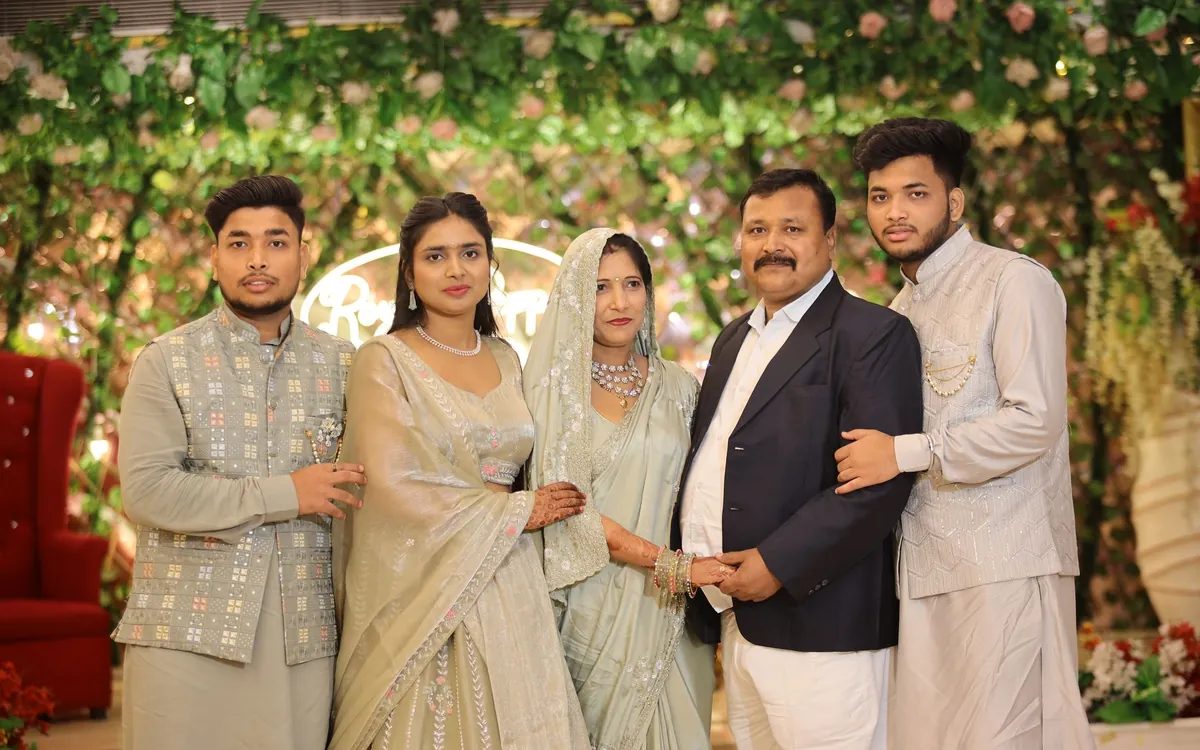
One question shapes daily life after marriage more than almost any other: will the couple live in a joint family or set up a nuclear home? Both have real strengths and real challenges, and there is no universally right answer — only the right answer for a particular couple and family. Here is an honest comparison to help you decide together.
The joint family
Living with the extended family — parents, and sometimes siblings and their families — is the traditional Indian model, and it endures for good reasons.
Strengths: built-in support with children and daily life, shared expenses, the wisdom and company of elders, and strong family bonds. A new bride or groom is rarely alone, and help is always at hand.
Challenges: less privacy and independence for the couple, the need to adjust to many personalities, and potential friction over roles, routines and decisions.

The nuclear family
Setting up an independent home — just the couple and their children — is increasingly common, especially where work takes couples to other cities.
Strengths: privacy, independence, and freedom to build your own routines and decisions as a couple. Many couples find it easier to grow their bond without the demands of a large household.
Challenges: less day-to-day support, the full weight of running a home and finances on the couple, and the risk of distance from elders who value closeness.
How to decide together
The decision works best when the couple talks it through honestly before marriage, and when both families' expectations are clear. Consider:
- Where work and practicality point — jobs, cities, aging parents.
- What each of you genuinely wants, not just what is expected.
- Middle paths — living nearby rather than together, or joint living with clear personal space.
There is rarely a perfect answer, only an honest, mutually respectful one.

Respect makes either work
A joint family thrives on give-and-take and respect for elders; a nuclear family thrives on responsibility and staying connected to relatives. With goodwill on both sides, either arrangement can be happy. What matters most is that the couple and families discuss it openly rather than assuming.
Talking about this early is part of finding the right match. Browse verified Goswami brides and grooms and start the conversation.
Frequently asked questions
What is the difference between a joint and nuclear family?
A joint family lives together with the extended family — parents and often siblings and their families — while a nuclear family is just the couple and their children living independently.
What are the advantages of a joint family after marriage?
A joint family offers built-in support with children and daily life, shared expenses, the wisdom and company of elders, and strong family bonds, so a newly married person is rarely alone.
What are the advantages of a nuclear family?
A nuclear family offers privacy, independence and the freedom to build your own routines and decisions as a couple, which many find helps them grow their bond, especially when work takes them to other cities.
How should a couple decide where to live after marriage?
Talk it through honestly before marriage, make both families' expectations clear, and weigh work and practicality alongside what each of you genuinely wants. Middle paths like living nearby are also worth considering.
Can a joint family arrangement be happy?
Yes. A joint family thrives on give-and-take and respect for elders. With goodwill on both sides and clear personal space, it can be very happy — as can a nuclear arrangement with responsibility and staying connected.