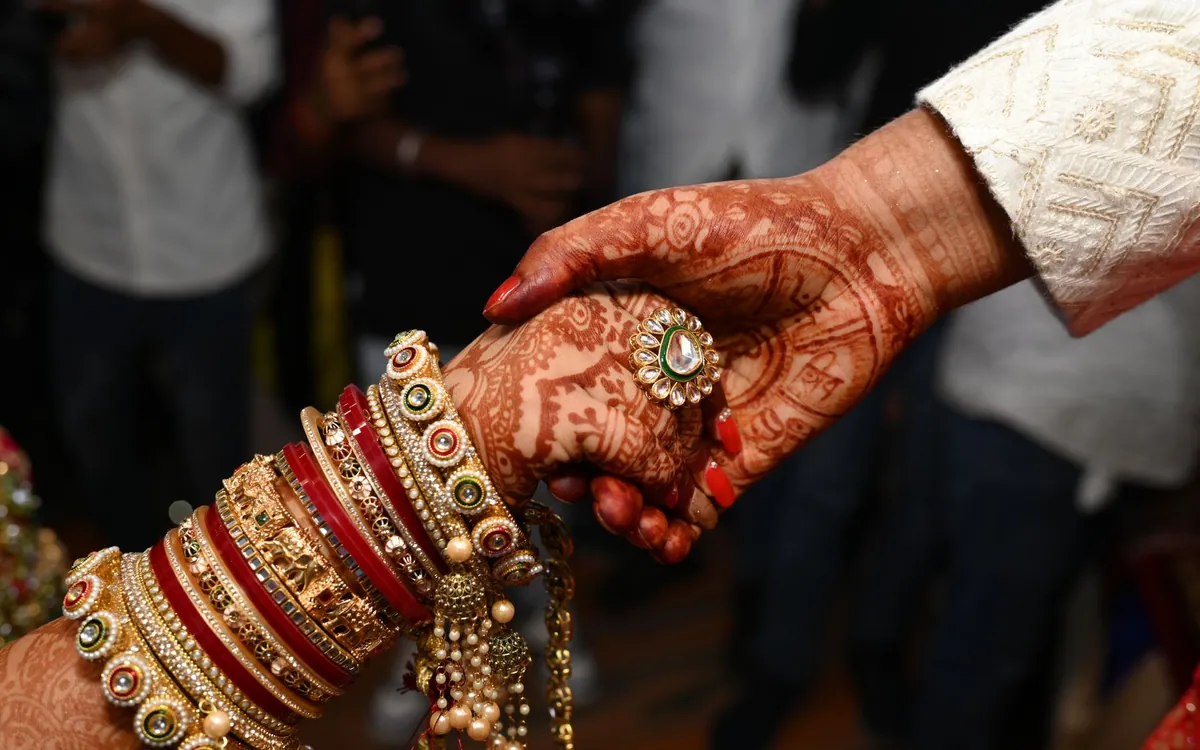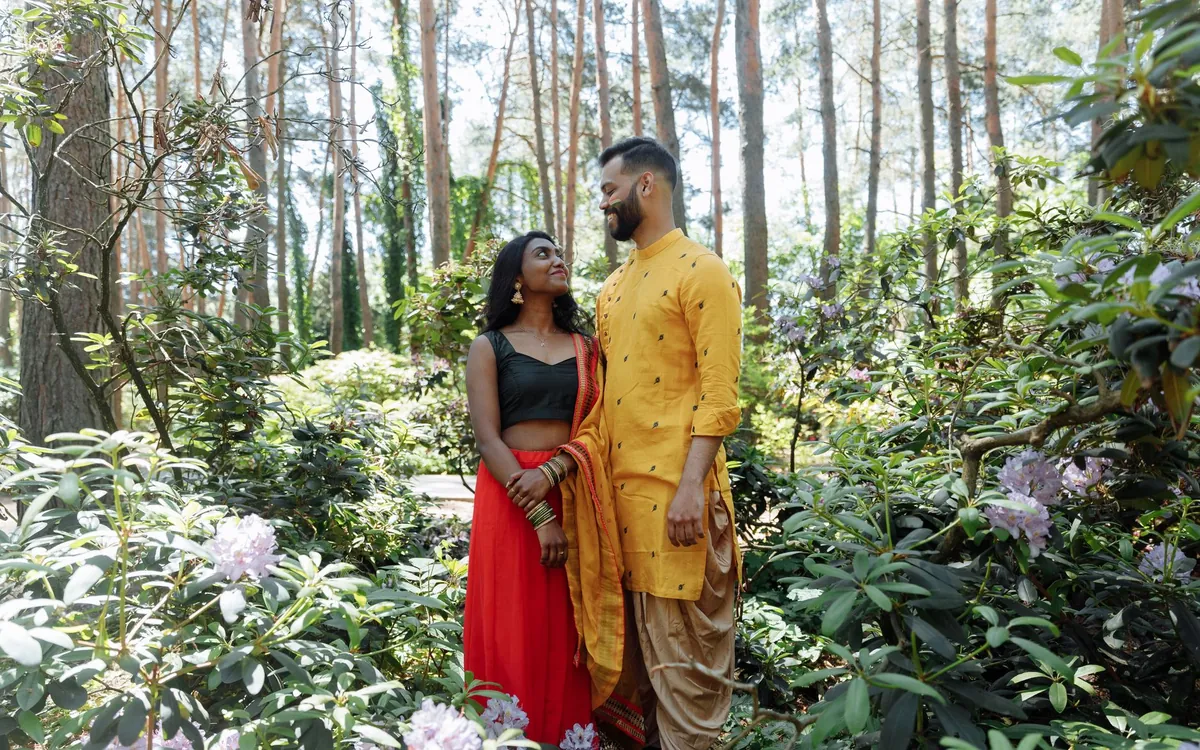

Few debates run longer in Indian families than love marriage versus arranged marriage. One side speaks of choosing your own partner and knowing them deeply; the other of family wisdom, compatibility and support. The honest answer is that neither is better in the abstract — each has real strengths and real risks, and the modern reality is increasingly a blend of both. Here is a fair comparison to help you think it through.
What each one really means
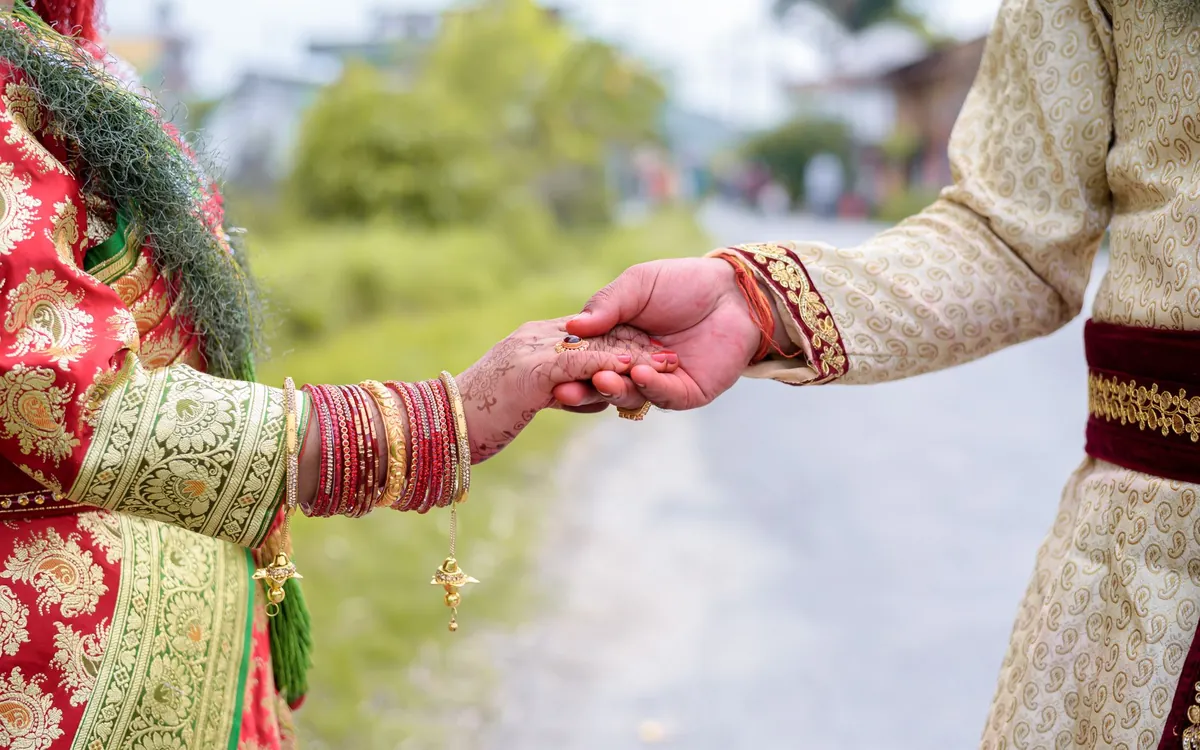
In a love marriage, the couple meets and chooses each other first, then (ideally) brings the families in. In an arranged marriage, families introduce two people they consider compatible, and the couple decides whether to proceed. In today's semi-arranged or "arranged-cum-love" matches, families introduce, but the couple then dates, talks and decides freely — combining both models.
The strengths of love marriage
- You know your partner. Time spent together before marriage reveals temperament, values and compatibility.
- Choice and ownership. The decision is yours, which can build a strong sense of partnership.
- Emotional foundation. The relationship usually starts with genuine affection.
The challenges: without family involvement, you may miss practical compatibility checks (background, values, expectations); family acceptance can be harder; and early romance is not always a guide to long-term fit.
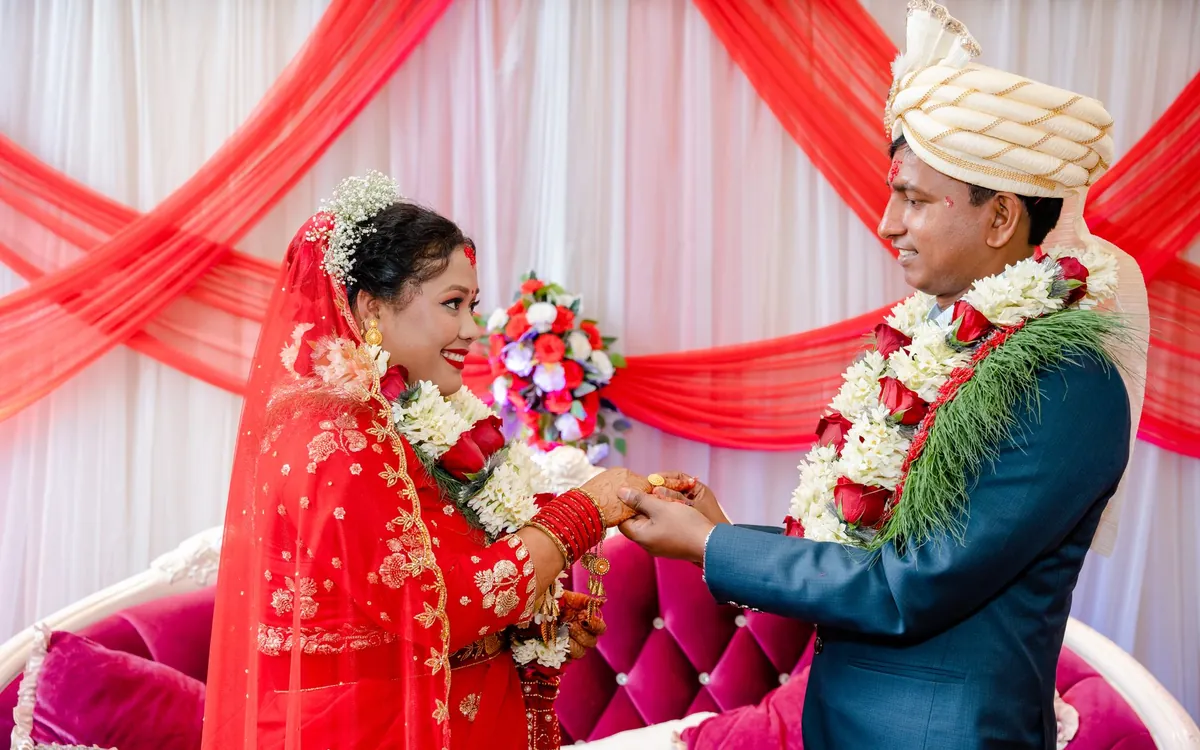
The strengths of arranged marriage
- Family support. Both families are invested from day one, which steadies the marriage.
- Practical compatibility. Background, values, education and expectations are checked early.
- A wider, filtered pool. Families and matrimony platforms surface suitable matches you might never meet otherwise.
The challenges: less time to know each other before deciding; the risk of families over-weighting surface factors; and the need for real, honest conversation in a short window.
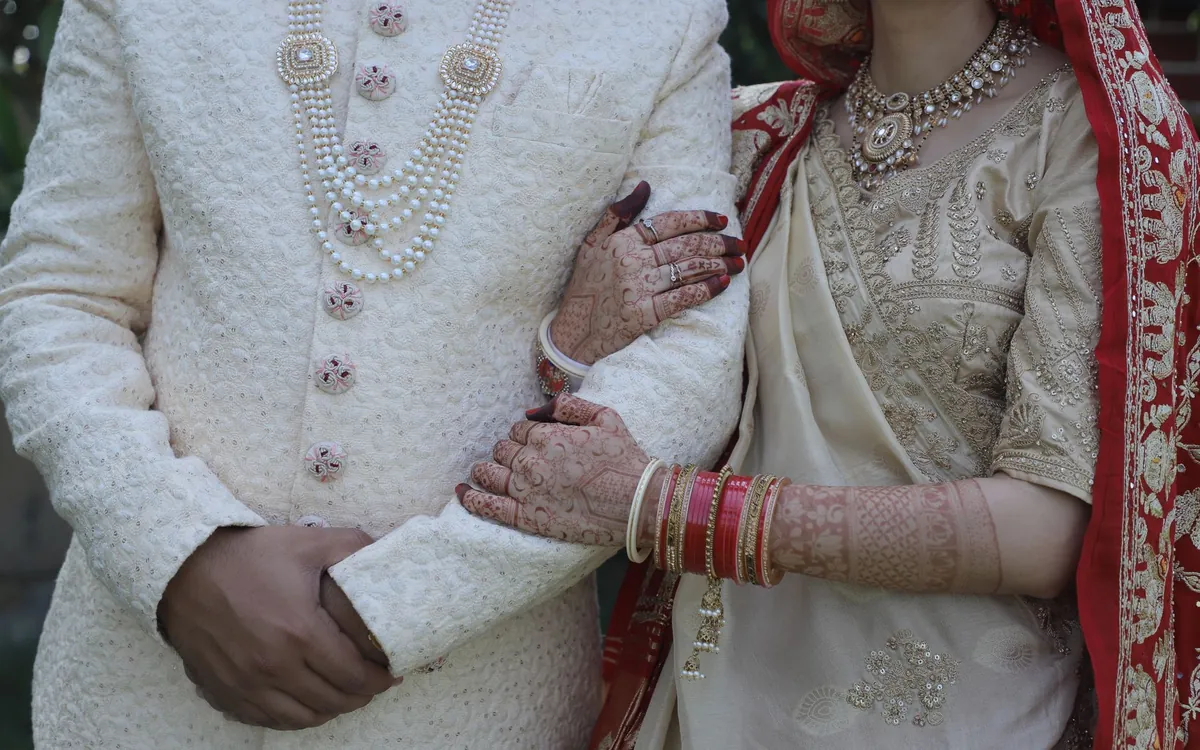
The line is blurring
Most urban Indian marriages today are neither purely one nor the other. Families introduce a match; the couple then talks for weeks or months, meets, and decides together. This blend keeps the family support and compatibility checks of an arranged match while adding the knowing-each-other strength of a love marriage. Matrimony platforms fit naturally here — they widen the pool of suitable, community-matched profiles, and the couple takes it forward at their own pace.
What actually predicts a happy marriage
Whichever route you take, the same things matter most: shared values, mutual respect, honest communication, compatible expectations about family and money, and two families that treat each other well. Romance helps; so does family wisdom. Neither guarantees happiness on its own.
If you are exploring an arranged or semi-arranged path, you can browse verified Goswami brides and grooms and take the conversation forward on your own terms.
Frequently asked questions
Which is better, love marriage or arranged marriage?
Neither is universally better. Love marriages offer deeper prior knowledge of the partner; arranged marriages offer family support and early compatibility checks. What predicts happiness — shared values, respect and communication — matters more than the route.
What is a semi-arranged marriage?
A semi-arranged (or arranged-cum-love) marriage is where families introduce the couple, but the couple then dates, talks and decides freely. It blends family support with the couple getting to know each other before committing.
Do arranged marriages last longer?
Arranged marriages often have strong family support, which can add stability, but longevity depends on the couple's compatibility and communication rather than the route alone. Reliable comparisons are hard because circumstances vary widely.
Can you fall in love in an arranged marriage?
Yes. Many couples in arranged marriages develop deep love over time, especially when the match is built on shared values and respect and the couple invests in the relationship.
How does a matrimony site fit in?
Matrimony sites widen the pool of suitable, community-matched profiles and let the couple take the match forward at their own pace — a natural fit for today's semi-arranged approach.