Before two families ever meet, one A4 page usually travels between them first: the marriage biodata. It is the résumé of the rishta world — a short, structured introduction to a person and their family. Get it right and the phone starts ringing; get it wrong, or leave it half-filled, and it quietly ends up at the bottom of the pile. This guide walks through exactly what goes into a strong marriage biodata, with a sample you can adapt.

What is a marriage biodata?
A marriage biodata (also called a bio-data for marriage or vivah biodata) is a one- to two-page document that summarises a prospective bride's or groom's personal details, family background, education, career and partner expectations. Families exchange it early — through relatives, a marriage bureau, or a matrimony site — so both sides can decide whether a match is worth pursuing before investing time in meetings.
Think of it as a first impression on paper. It should be honest, easy to skim, and complete enough that the other family does not have to call back with ten basic questions.
The sections every biodata should include
A good biodata is organised into clear blocks. Include these:
- Personal details — full name, date of birth, time and place of birth (families often want these for kundli matching), height, complexion (optional), marital status, and any medical information you choose to share.
- Religion & community — religion, community (for our readers, Goswami / Dashnami), gotra, and mother tongue. Gotra matters because most families check it before anything else.
- Education & career — highest qualification, current job or business, and location of work. Keep it factual; you do not need to list every certificate.
- Family details — father's and mother's names and occupations, number of siblings and their status (married/studying), and the family's native place. This section tells the other family about the environment you come from.
- Partner expectations — a short, realistic note on what you are looking for: age range, education, location, diet, and values. Avoid long demanding lists.
- Contact details — a phone number and, ideally, who to contact (self, father, brother). On a public matrimony profile, keep this private until you are ready to connect.
A sample marriage biodata
Here is a simple structure you can copy and fill in:
~ Shri Ganeshaya Namah ~
>
Name: Aarti Goswami
Date of Birth: 14 August 1997 · Time: 06:20 AM · Place: Jaipur
Height: 5 ft 4 in · Marital status: Never married
Religion / Community: Hindu, Goswami (Giri) · Gotra: Bharadwaj · Mother tongue: Hindi
>
Education: M.Com, Rajasthan University
Occupation: Accountant at a private firm, Jaipur
>
Father: Shri Ramesh Goswami — retired schoolteacher
Mother: Smt. Sunita Goswami — homemaker
Siblings: One elder brother (married)
Native place: Jaipur, Rajasthan
>
Partner expectations: A well-educated, employed Goswami groom aged 27–31, based in Rajasthan or nearby, from a family that values respect and simplicity.
>
Contact: (shared on request)
Notice how it fits on one page and answers the obvious questions without waffle.
The photo matters as much as the text
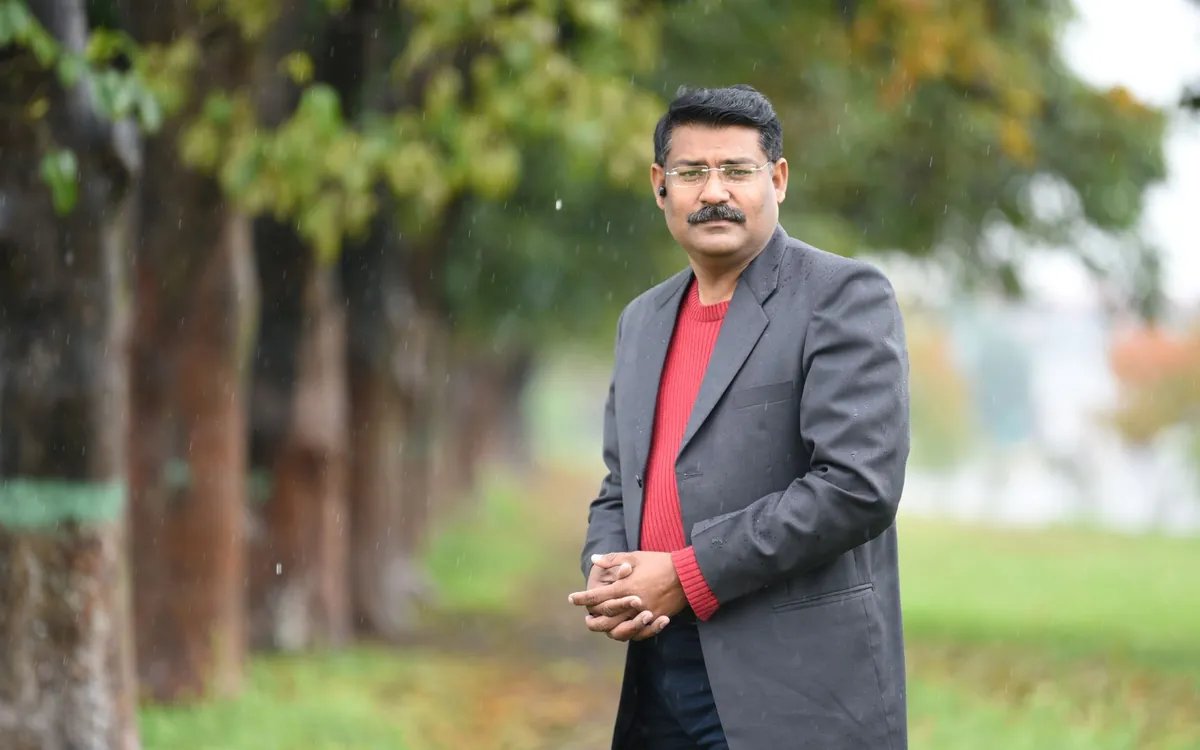
Most biodatas carry one photograph, and it does a lot of quiet work. Use a recent, clear, well-lit picture where your face is visible and you are dressed neatly — the kind of photo you would be happy for an elder to see. Avoid group shots, heavy filters and sunglasses. If privacy worries you, share the photo only after the first round of interest rather than putting it on the open internet.
Design and format tips
You do not need fancy software. A clean layout beats a decorated one:
- Keep it to one page if you can, two at most.
- Use a readable font and consistent spacing.
- A short religious salutation at the top (Om, Shri Ganeshay Namah) is traditional and fine.
- Save and share as a PDF so the formatting does not break on someone else's phone.
- Proofread for spelling, especially names, gotra and dates.
Paper biodata vs an online profile
The paper biodata still travels through family networks, but more families now start online. A matrimony profile is really a living biodata — searchable, updatable, and visible to many suitable families at once instead of one at a time. The smart approach is to keep both consistent: the same honest details on paper and online.
On Goswami Matrimony, your profile is your biodata — every field you complete (education, gotra, rashi, nakshatra, family details) becomes a structured introduction that families can filter and find. You can create a free profile in a few minutes, and it does the formatting for you.
Common mistakes that get a biodata ignored
- Leaving fields blank. An incomplete biodata reads as a lack of seriousness.
- Exaggerating. Inflating job titles or income breaks trust the moment it is discovered.
- A long wish-list. Ten strict demands make a family look difficult before you have even met.
- An old or unclear photo. It creates doubt.
- No gotra or birth details. Many families cannot proceed without them.
Take ten minutes to fill every section honestly and warmly, and your biodata will do exactly what it is meant to: open a respectful conversation between two families.
Frequently asked questions
What should a marriage biodata include?
Personal details (name, date/time/place of birth, height, marital status), religion, community and gotra, education and career, family background (parents' occupations, siblings, native place), partner expectations, and contact details — usually with one clear photograph.
How long should a marriage biodata be?
One page is ideal, two at most. Families skim many biodatas, so a concise, well-organised page that answers the obvious questions performs far better than a long document.
Should I put my photo on the biodata?
Yes, a recent clear photo greatly increases genuine responses. If you are concerned about privacy, share it after the first expression of interest, or use a matrimony profile where you can set the photo to members-only.
Is an online profile better than a paper biodata?
They serve the same purpose, but an online profile reaches many suitable families at once and is easy to update. Many families now begin online and exchange a paper biodata later. Keeping both consistent and honest is the best approach.
Do I need to mention gotra and birth time?
For most Hindu families, yes. Gotra is checked to follow the custom of marrying outside one's own gotra, and birth time and place are needed for kundli matching. Including them upfront saves a round of questions.