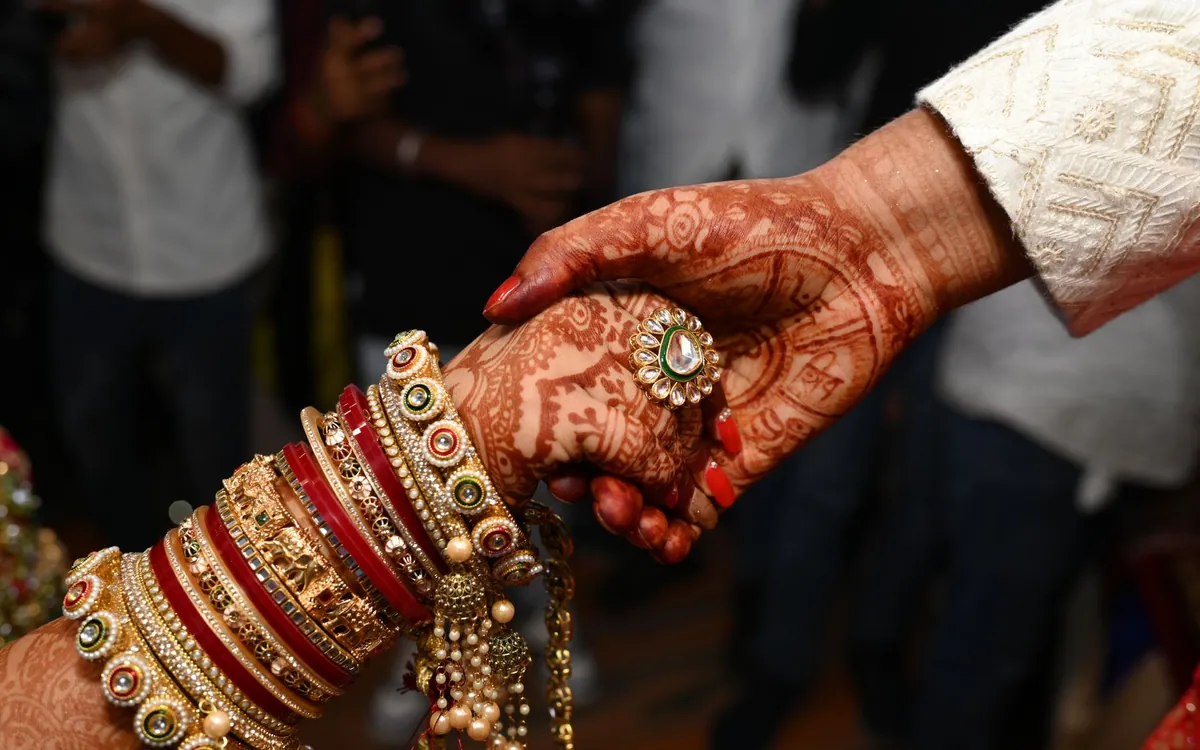
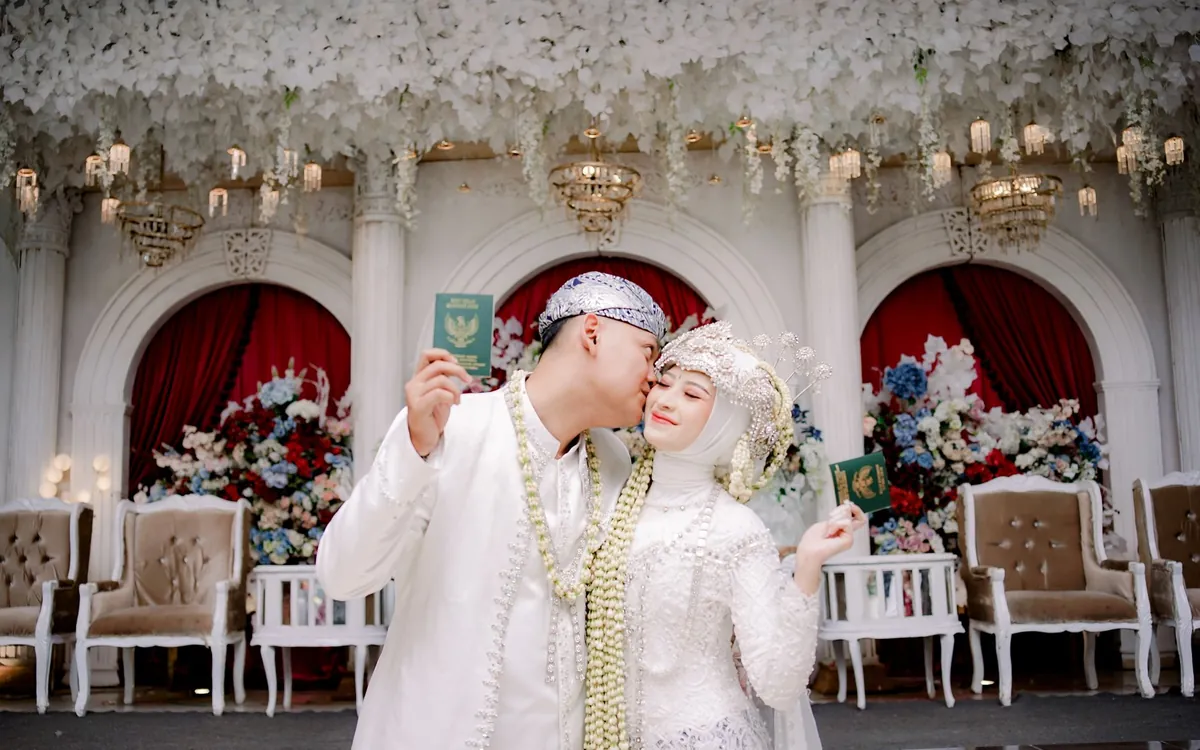
A wedding makes a marriage sacred; registration makes it official on paper. In India, registering your marriage gives you a legal certificate that proves the marriage — increasingly essential for visas, banking, insurance and much more. Here is a clear guide to marriage registration. (Procedures vary by state; confirm locally.)

Why register your marriage?
A marriage certificate is legal proof of marriage, and it matters for many practical reasons:
- Visa and immigration for a spouse.
- Bank accounts, insurance and nominee claims.
- Passport and name-change processes.
- Legal protection of marital rights.
Many states now make registration effectively mandatory, and courts have repeatedly encouraged it.
Two routes to registration
There are two main laws under which Hindus (and most Indian communities) register:
- Hindu Marriage Act, 1955 — for couples already married by Hindu ceremony. Registration records the marriage that has already taken place.
- Special Marriage Act, 1954 — for civil (court) marriages, including inter-faith couples, where the marriage is solemnised and registered by a Marriage Officer.
If you had a traditional Hindu wedding, you register under the Hindu Marriage Act.
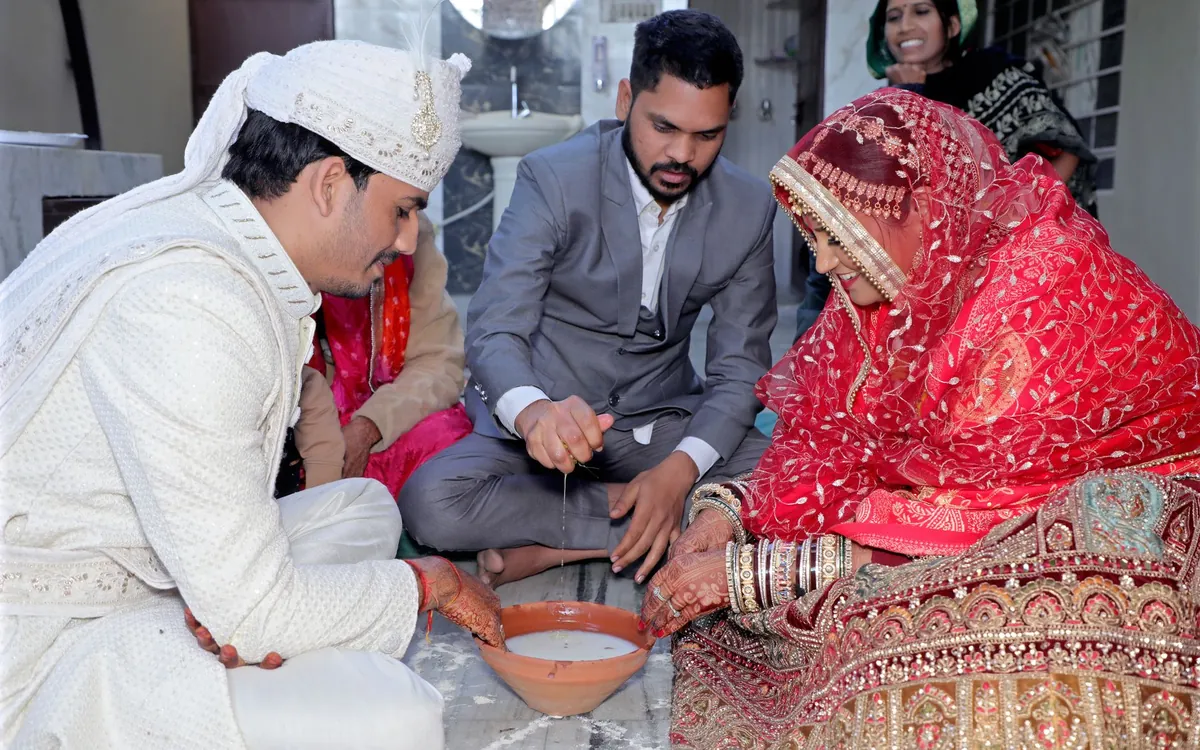
Documents usually required
- Proof of age for both (birth certificate, 10th marksheet, passport).
- Proof of address for both.
- Wedding invitation card and often wedding photographs, for Hindu Marriage Act registration.
- Passport-size photos.
- Identity proof (Aadhaar, PAN).
- Witnesses (usually present at the wedding) with their ID.
The process in brief
- Apply at the office of the Sub-Registrar / Marriage Registrar (many states offer online appointment booking).
- Submit documents and the filled application, signed by both partners and witnesses.
- Verification by the registrar.
- Certificate issued — sometimes the same day for Hindu Marriage Act registration, or after the notice period for Special Marriage Act.

Do it sooner rather than later
Registration is far easier soon after the wedding, while witnesses and documents are at hand. Treat it as the final, essential step of getting married — the paperwork that protects everything the wedding began.
Still on the path to that wedding? Browse verified Goswami brides and grooms.
Frequently asked questions
Is marriage registration mandatory in India?
Many states now make it effectively mandatory, and courts strongly encourage it. Even where not strictly compulsory, a marriage certificate is essential for visas, banking, insurance and legal protection, so registration is highly advisable.
What is the difference between Hindu Marriage Act and Special Marriage Act registration?
The Hindu Marriage Act registers a marriage already performed by Hindu ceremony, while the Special Marriage Act is for civil marriages, including inter-faith couples, solemnised and registered by a Marriage Officer.
What documents are needed to register a marriage?
Commonly proof of age and address for both, wedding invitation and photographs (for Hindu Marriage Act), identity proof, passport photos, and witnesses with ID. Requirements vary by state.
How long does marriage registration take?
Under the Hindu Marriage Act it can sometimes be completed the same day after verification. Under the Special Marriage Act it takes longer due to the 30-day notice period.
Can we register our marriage online?
Many states offer online appointment booking and application submission, though you usually still need to appear in person with documents and witnesses. Check your state's registrar portal.