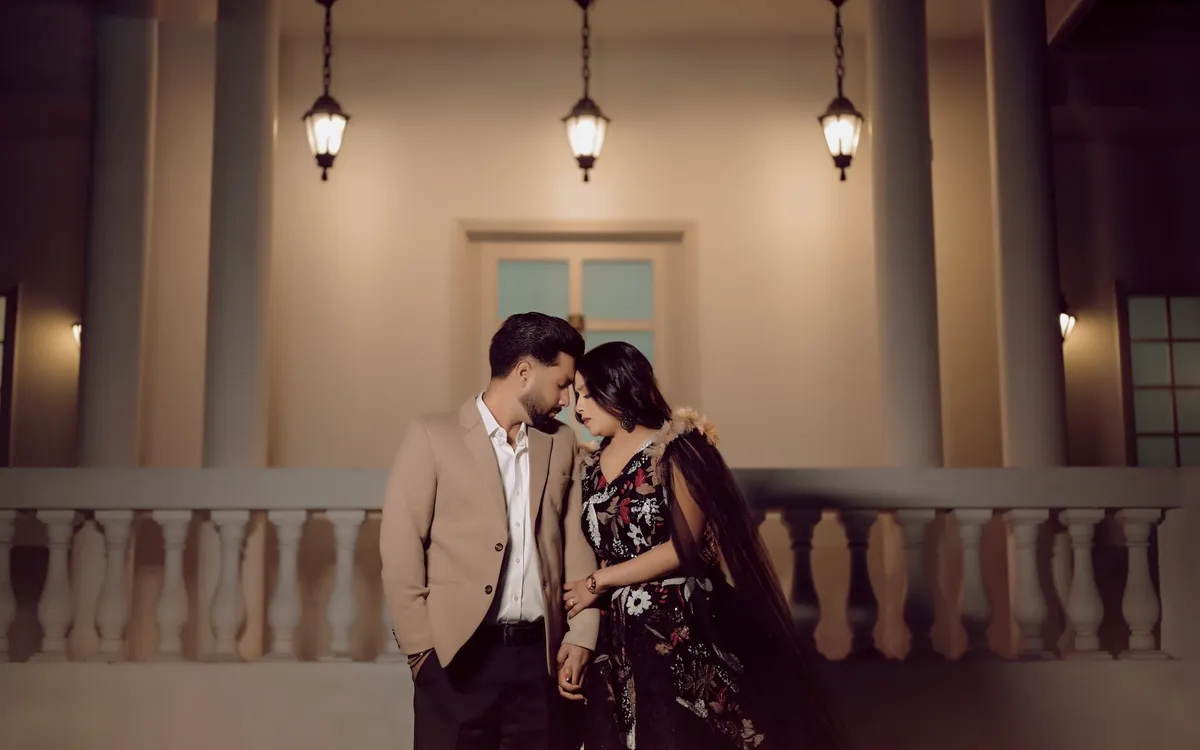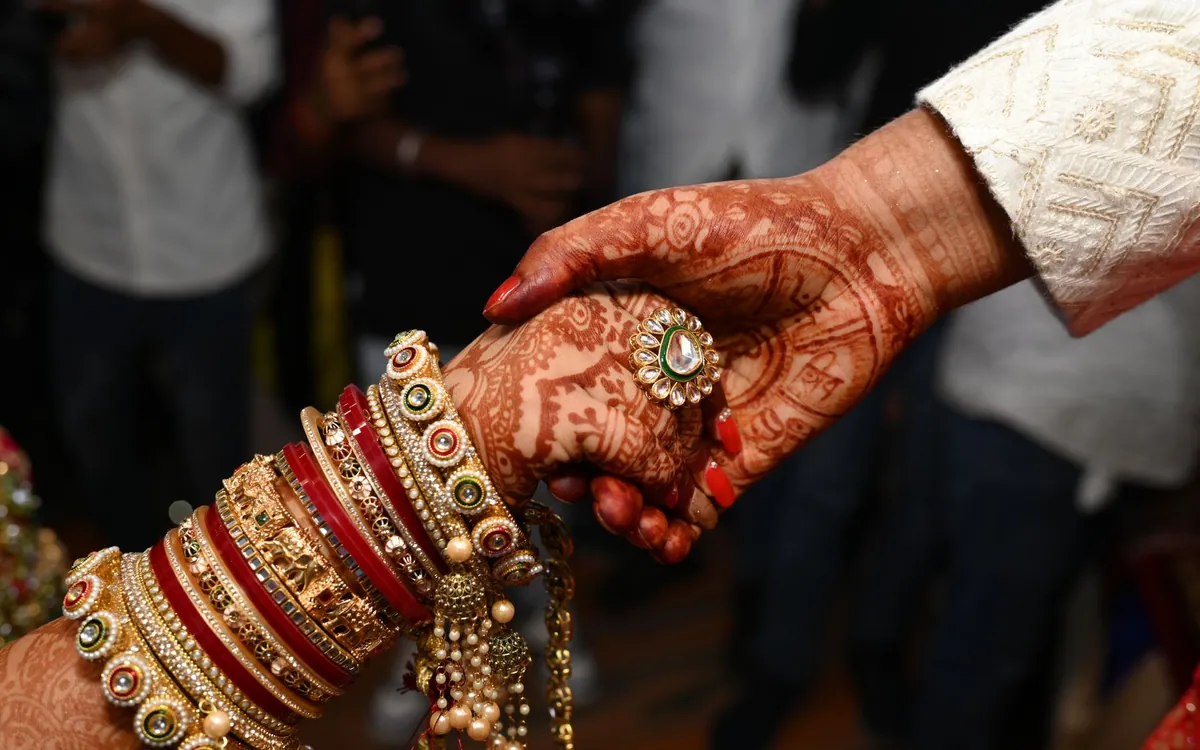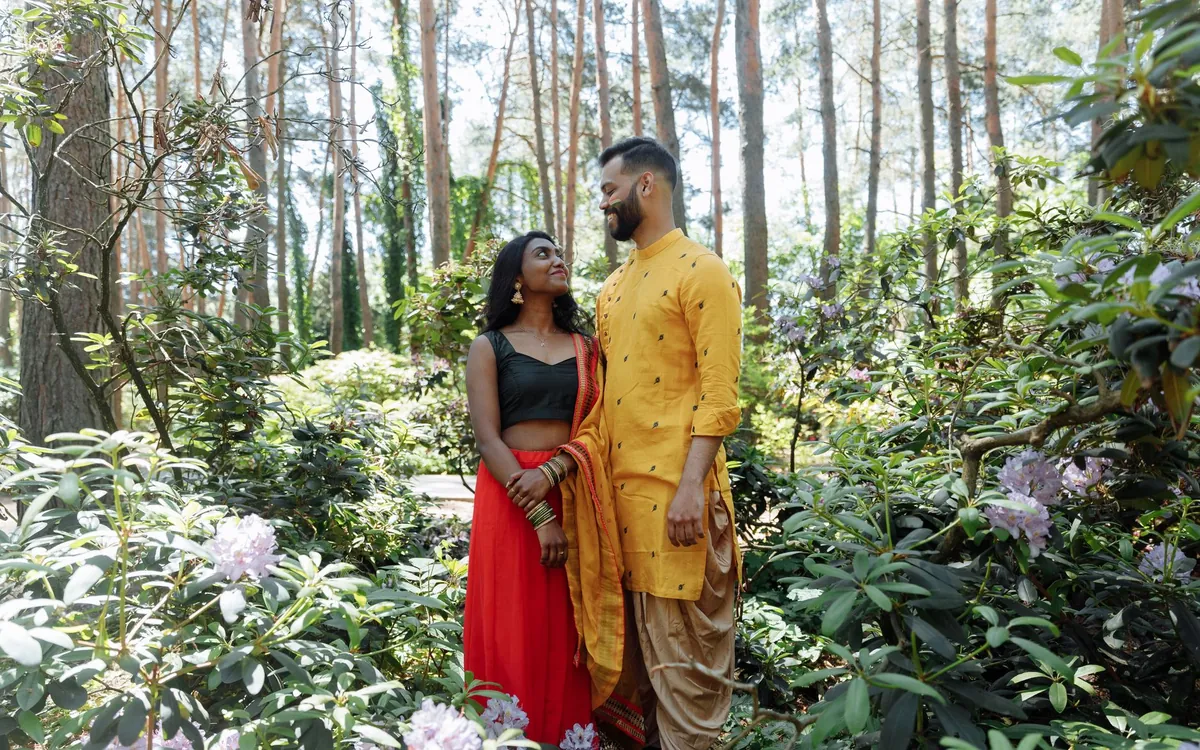
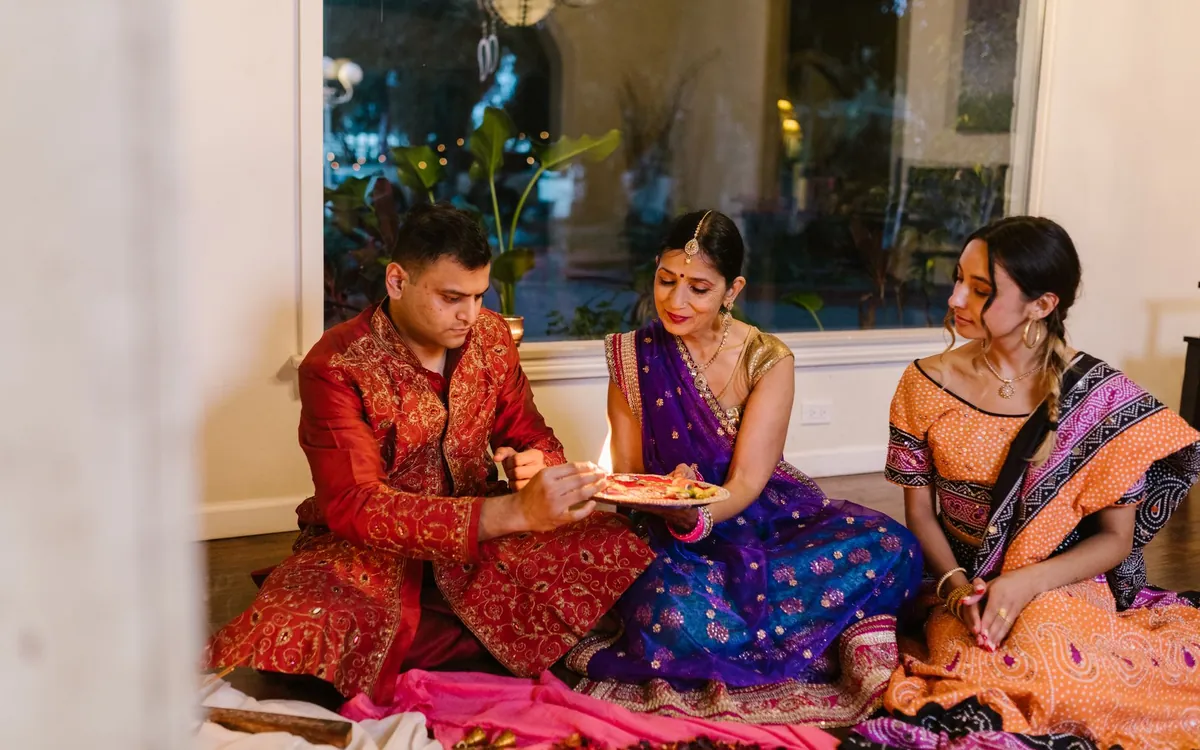
Every Indian wedding has a moment when the searching stops and the commitment begins. For most families that moment is the roka — the first formal ceremony that "blocks" the match and tells both sides the alliance is settled. Small, warm and often held at home, the roka carries real weight. Here is what it means and how it usually unfolds.
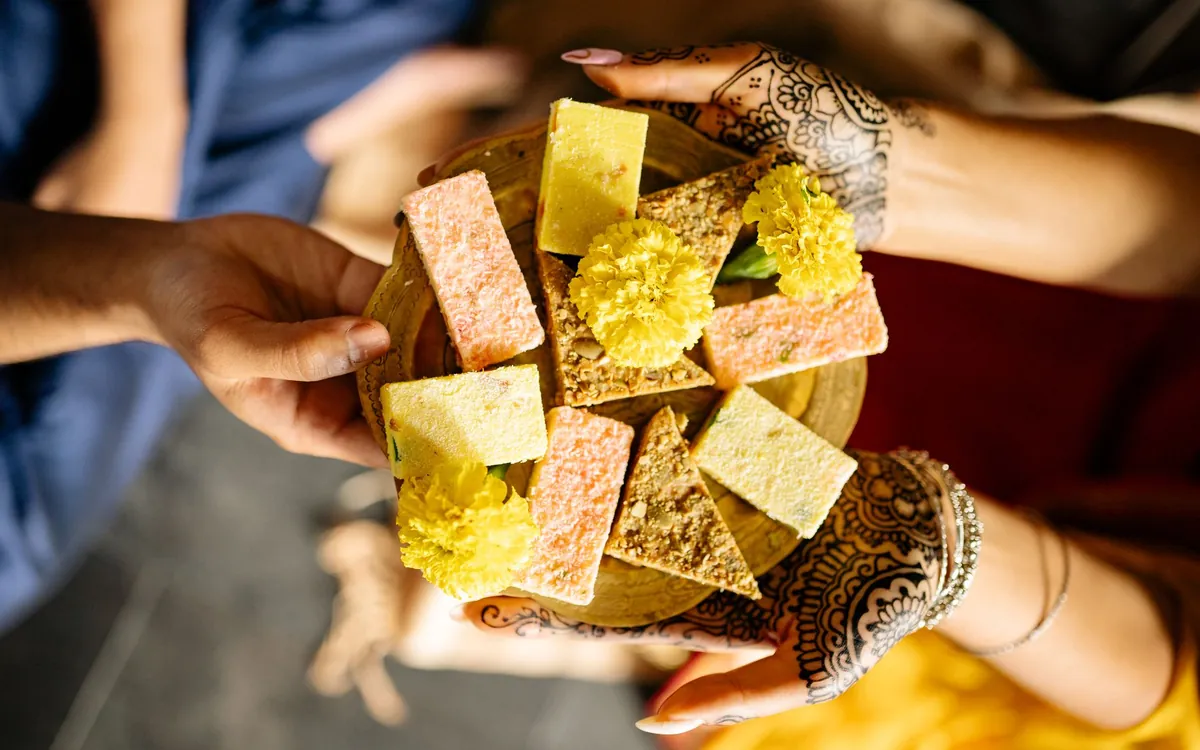
What is a roka?
The word roka comes from "to stop" — it signals that the family has stopped looking, having found the right match. It is the first official step, where the two families meet, agree to the marriage, and mark their commitment to each other. In some regions it is called thaka or shagun. It usually happens once both families are satisfied on the essentials — background, gotra, and often the kundli.
What happens at a roka
The ceremony is simple and joyful:
- The families meet, exchange sweets and gifts, and share a meal.
- Elders bless the couple, often with a tilak, dry fruits, or a token of gold.
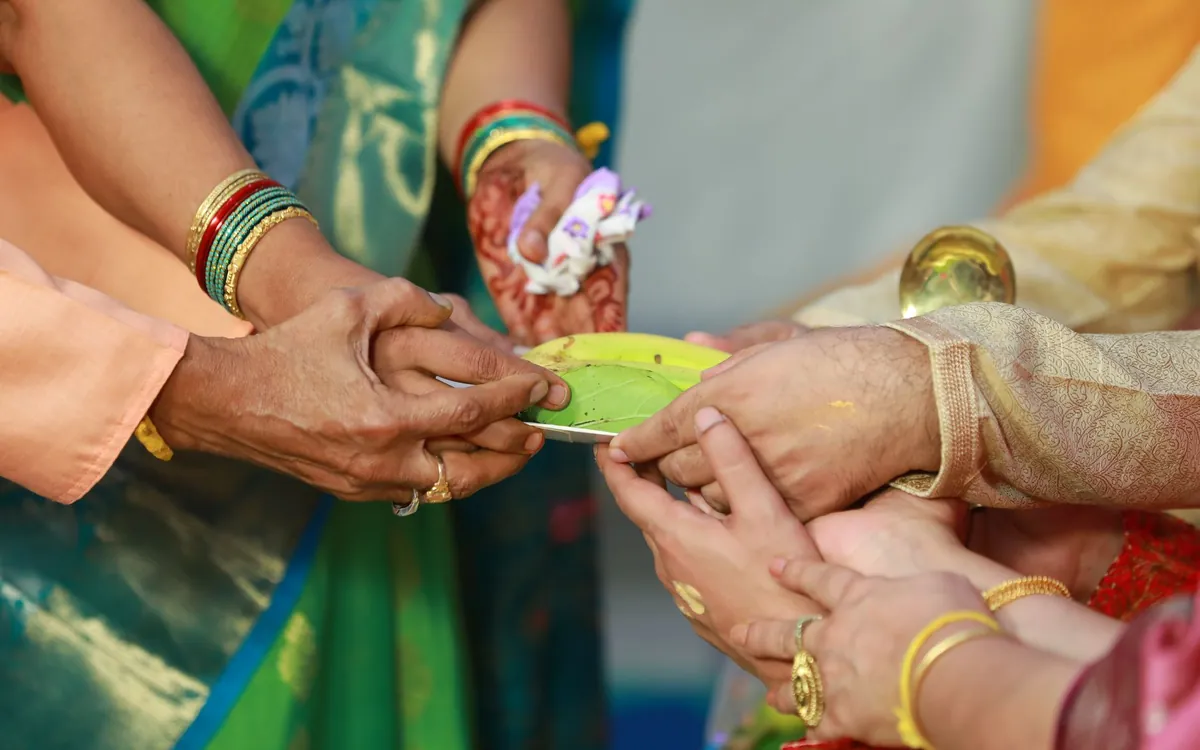
- Sometimes small gifts or shagun (an auspicious sum) are exchanged as a mark of goodwill.
There is no fire, no priest requirement, and no long ritual — the roka is about intention and blessing more than ceremony.
Roka vs engagement
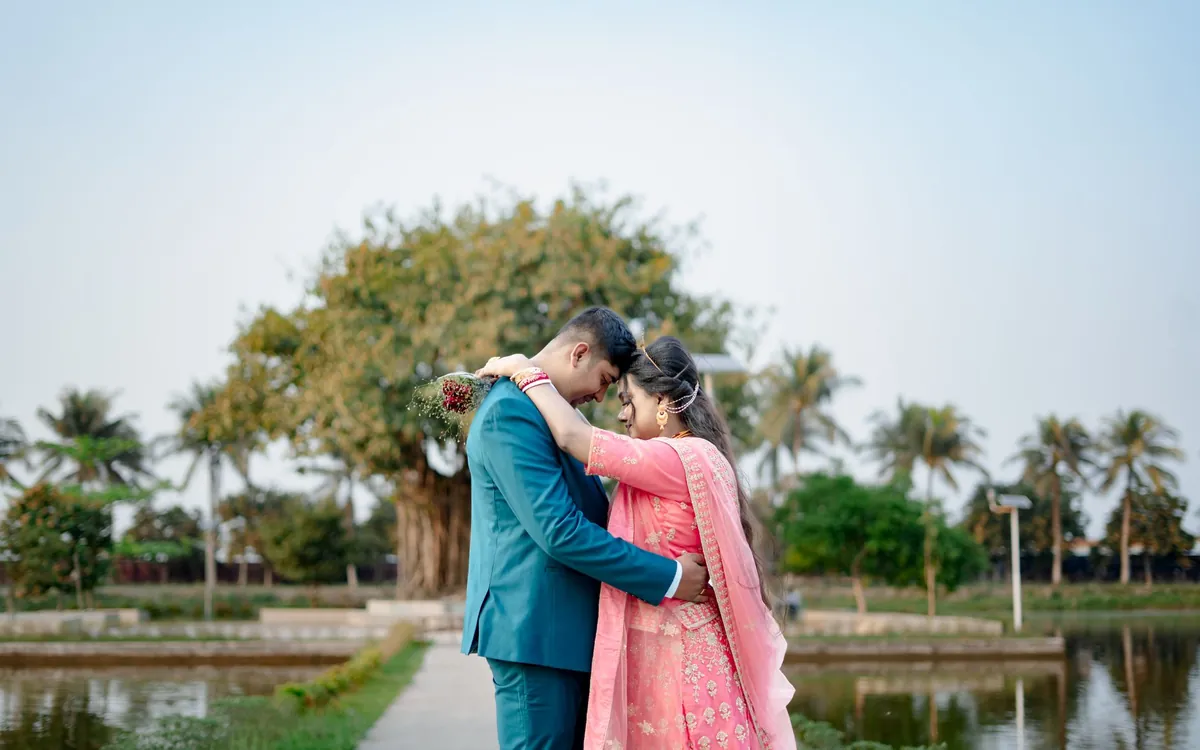
People often confuse the two. The roka is the first commitment — families agreeing to the match. The engagement (sagai) usually comes later and is more formal, often with ring exchange and a larger gathering. In some families the two are merged; in others they are separate events weeks apart. Ask both families early what they intend, so expectations match.
Its significance
The roka does something quietly important: it turns a possibility into a promise. After it, the families consider themselves connected, wedding planning can begin, and the couple can get to know each other with the security of a settled match.
A few practical tips
- Keep the guest list small and close — roka is an intimate family affair.
- Agree in advance whether gifts and shagun will be exchanged, to avoid awkwardness.
- Treat it as the start of a relationship between two families, not a transaction.
The roka is the gentle first step of a long journey. If you are still looking for the match whose roka you will one day celebrate, browse verified Goswami brides and grooms.
Frequently asked questions
What is the roka ceremony?
The roka is the first formal step of an Indian wedding, where both families meet, agree to the match, and mark their commitment by exchanging sweets, gifts and blessings. It signals that the search for a match is over.
What is the difference between roka and engagement?
The roka is the first commitment between families, usually small and simple. The engagement (sagai) is a more formal, later event, often with ring exchange. Some families combine them; others keep them separate.
Do you need a priest for a roka?
Not necessarily. The roka is primarily about the families' commitment and blessings rather than religious ritual, so it often has no priest or sacred fire, though some families include a short puja.
What gifts are exchanged at a roka?
Families commonly exchange sweets, dry fruits, clothes, and sometimes a token of gold or an auspicious sum (shagun). It is best to agree in advance what will be exchanged so both sides are comfortable.
Can the wedding be called off after a roka?
Yes, though it is a serious step and not taken lightly since the roka is a formal commitment. If genuine concerns arise, families do step back — which is why background and compatibility checks before the roka matter.