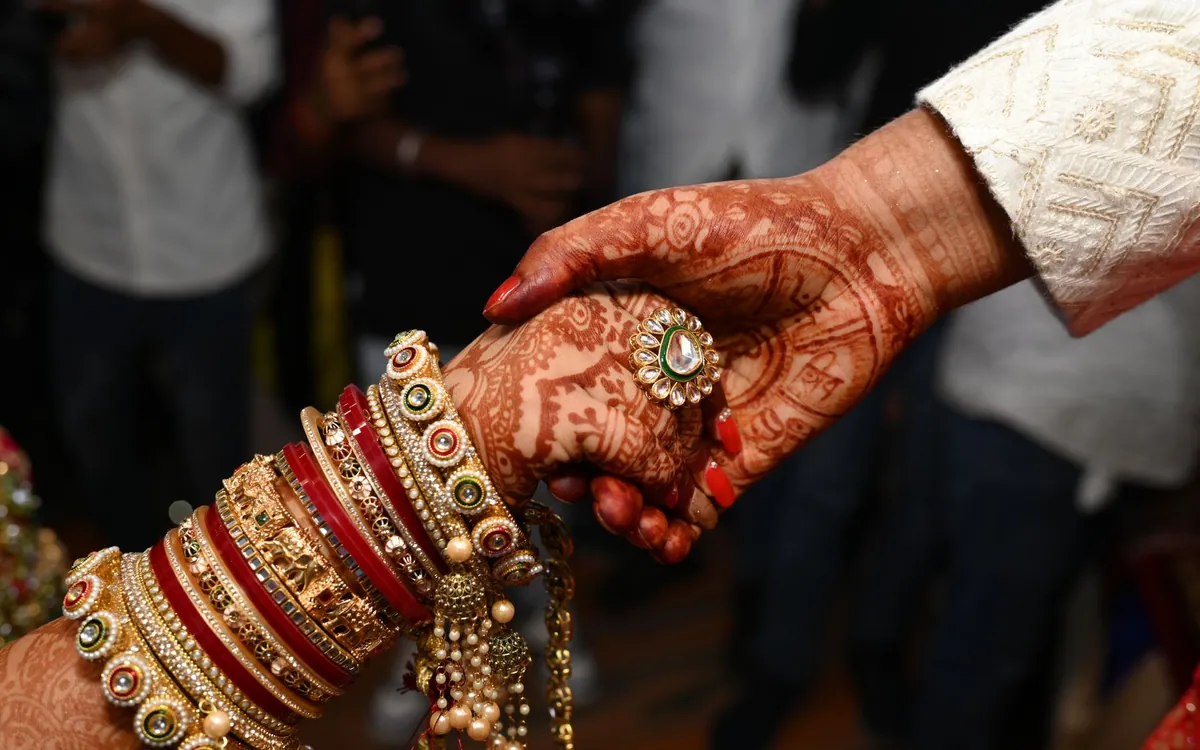
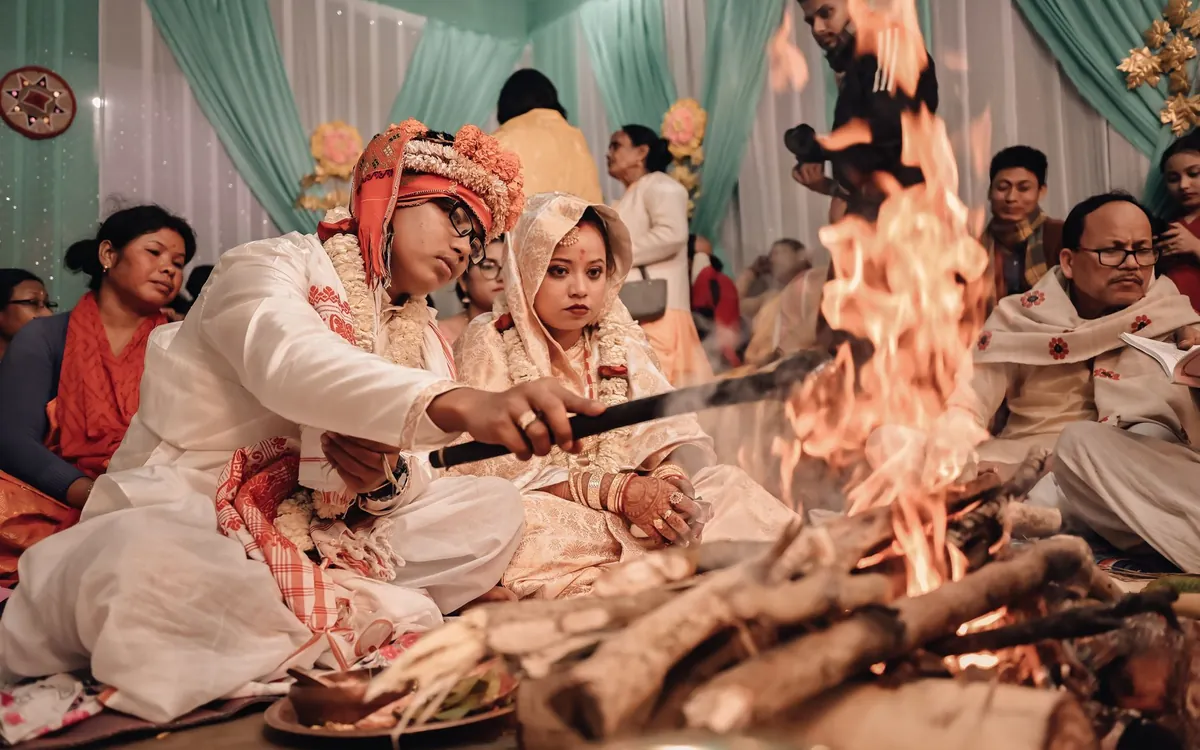
At the centre of every Hindu wedding is a walk around a fire. The couple circles the sacred flame, step by step, and with each round makes a vow for their life together. This is the saptapadi — the seven steps, also called the saat phere — and in Hindu tradition it is the moment the marriage truly becomes complete. Here is what the seven vows mean.

What is the saptapadi?
Sapta means seven and padi means steps. In the ritual, the bride and groom take seven steps together around the sacred fire (Agni), which serves as the divine witness to their union. Each step is tied to a vow. Once the seventh step is completed, the couple is considered married in the eyes of tradition — and, indeed, Hindu law recognises the saptapadi as a key element of a valid marriage.
The seven vows
While the exact wording varies by region and priest, the seven vows broadly promise:
- Nourishment — to provide for and care for each other and their household.
- Strength — to grow together in health, strength and courage.
- Prosperity — to work for the family's wealth and well-being.
- Family and harmony — to share love, trust and respect, and honour their families.
- Progeny and welfare — to raise a happy, healthy family.
- Health and togetherness — to share the seasons of life together.
- Companionship and loyalty — to remain lifelong friends and faithful partners.
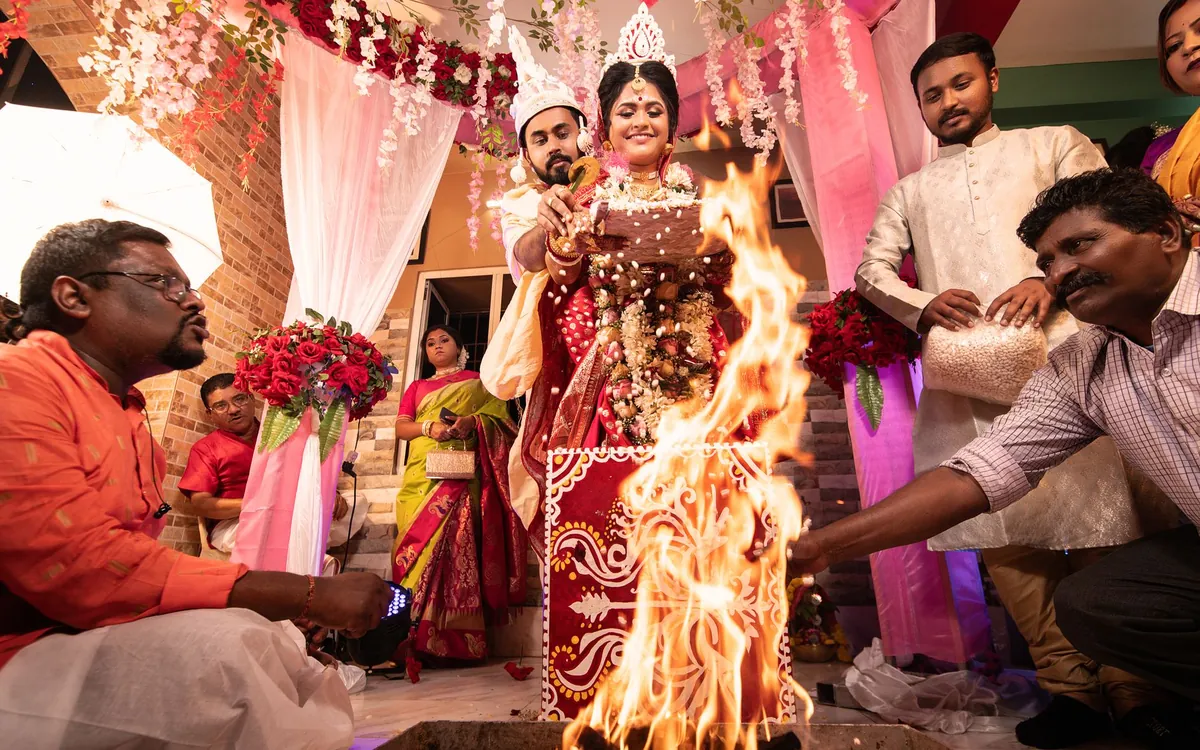
Why the fire?
Agni, the fire, is treated as a sacred, purifying witness in Hindu tradition. By taking the vows before the fire, the couple calls on the divine to witness and bless their promises. The circling of the flame ties the ritual to something greater than the couple themselves.
The meaning that lasts
What makes the saptapadi beautiful is that its vows are not about grand romance but about partnership — nourishment, strength, prosperity, family, health, friendship and loyalty. These are the ordinary, essential promises that carry a marriage through decades. Understanding them turns the ritual from a formality into something a couple can carry with them.
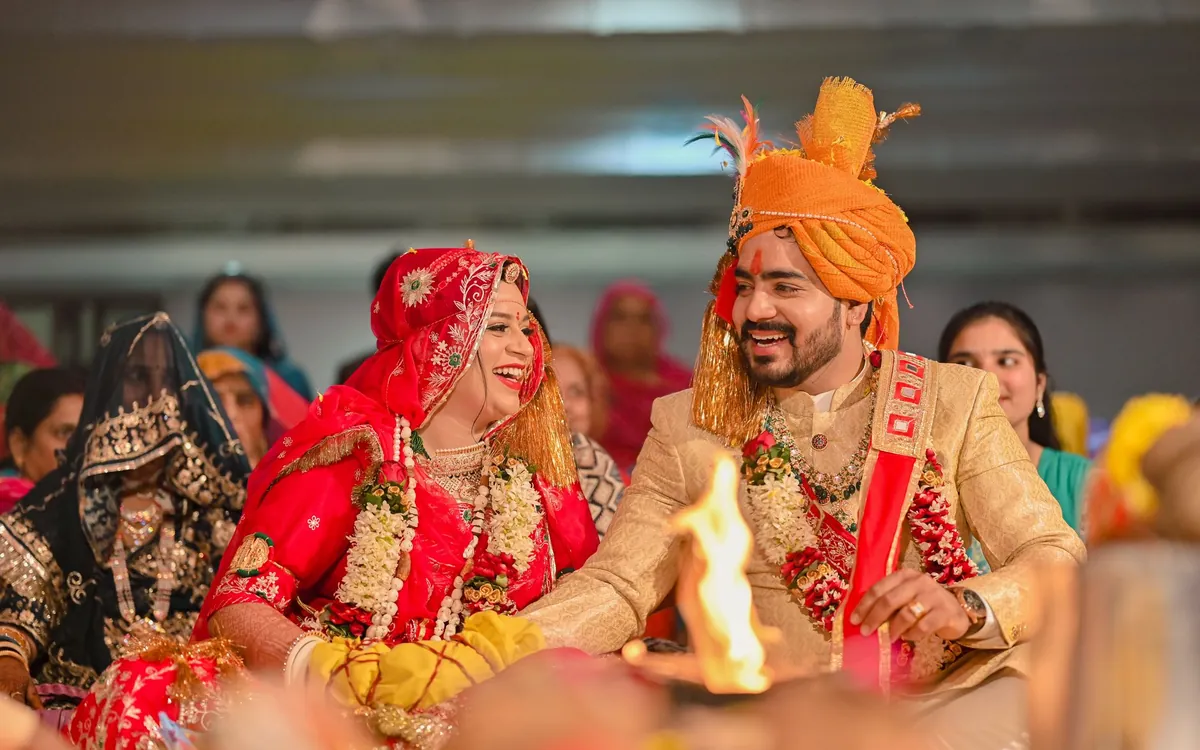
A promise worth keeping
Long after the wedding, the saptapadi remains the emotional and spiritual core of a Hindu marriage — seven steps, seven promises, one shared life. If you are still searching for the partner you will one day take these steps with, browse verified Goswami brides and grooms.
Frequently asked questions
What is the saptapadi?
The saptapadi, or saat phere, is the Hindu wedding ritual in which the couple takes seven steps together around the sacred fire, each tied to a vow. Completing the seventh step makes the marriage complete in tradition.
What are the seven vows of the saptapadi?
They broadly promise nourishment, strength, prosperity, family and harmony, healthy progeny, health and togetherness, and lifelong companionship and loyalty. The exact wording varies by region and priest.
Why is the fire important in the saptapadi?
Agni, the fire, is regarded as a sacred, purifying witness in Hindu tradition. Taking the vows before the fire calls on the divine to witness and bless the couple's promises.
Is the saptapadi legally significant?
Yes. Hindu law recognises the saptapadi as a key element of a valid Hindu marriage — in many cases the marriage is considered complete once the seventh step is taken.
How many times does the couple circle the fire?
In the saptapadi tradition the couple takes seven steps or rounds, each associated with a vow, though some regional customs describe four pheras with the seven steps within them.