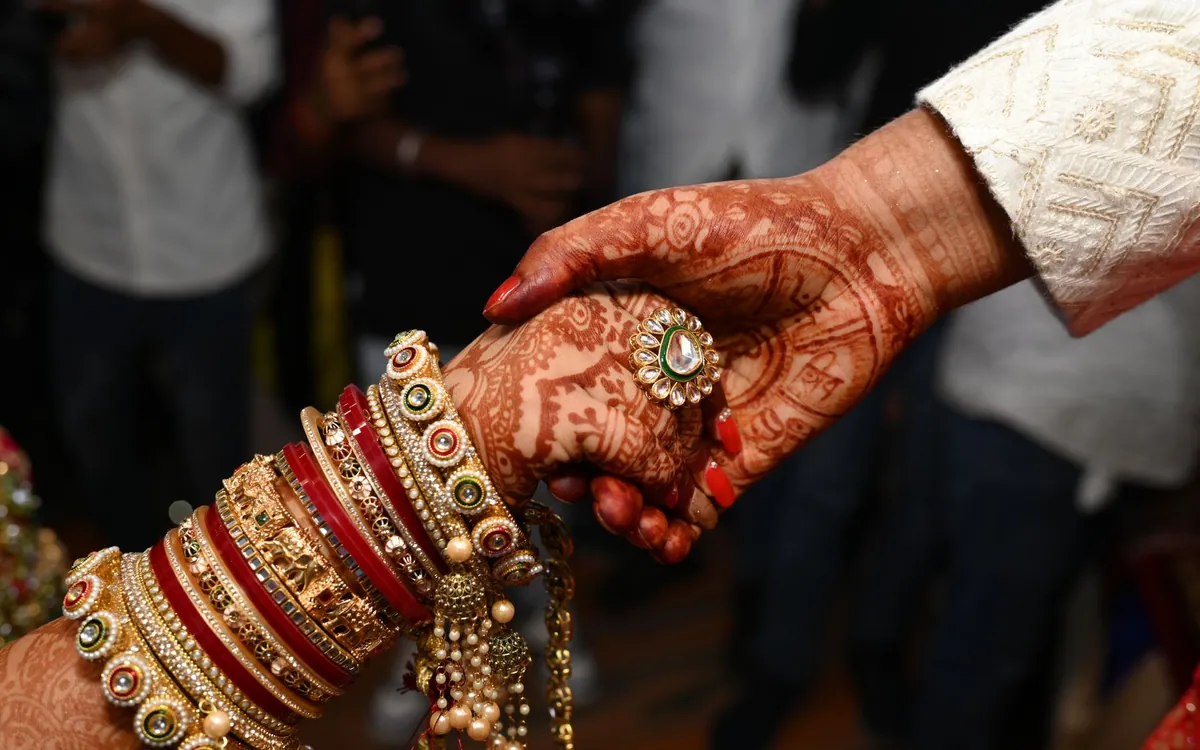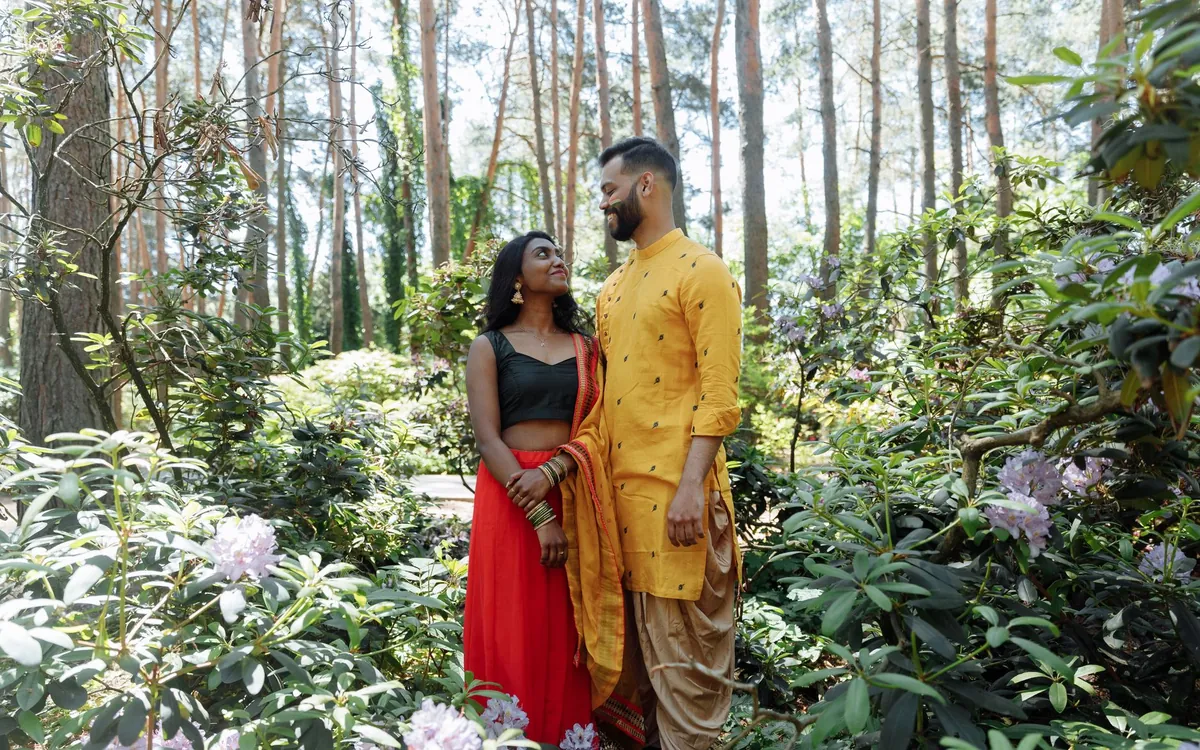
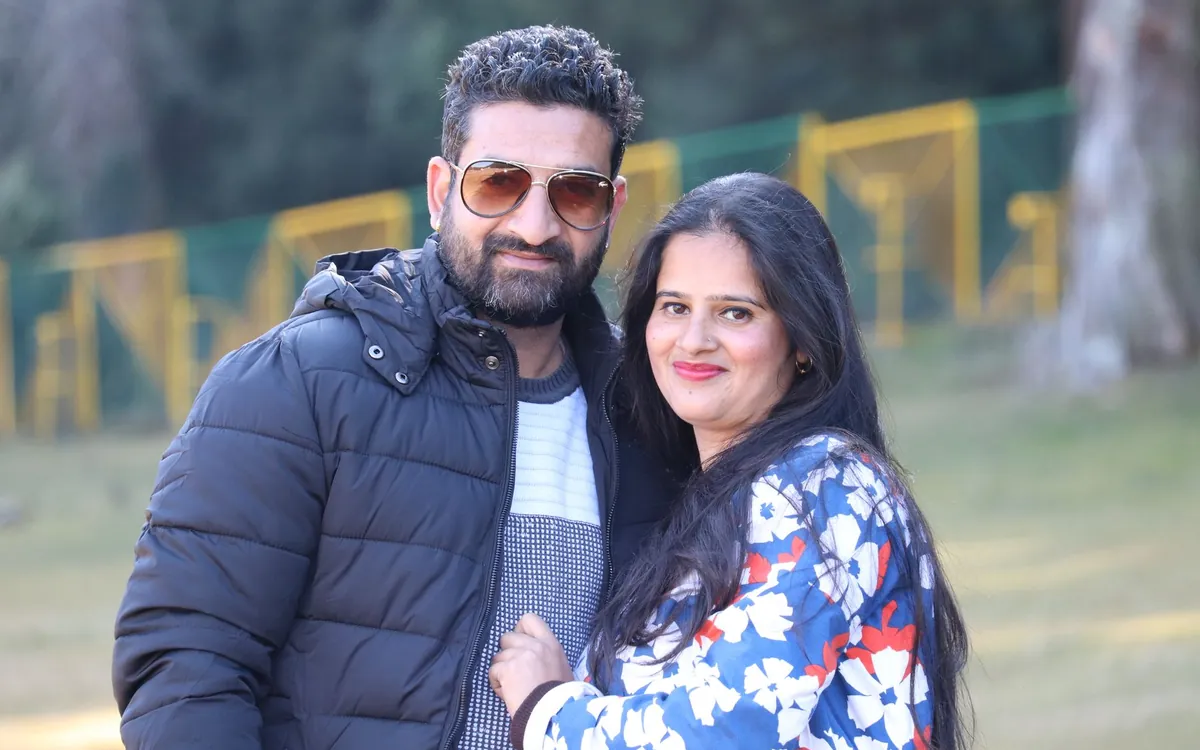
A second marriage is no longer the quiet, whispered subject it once was. Across the Goswami community, more divorced and widowed men and women are choosing to build a second innings — and more families are supporting them. It deserves the same care, respect and honest planning as any first marriage, with a few added considerations. This guide is written for anyone considering it, and for the families who love them.
Attitudes are changing
A generation ago, remarriage — especially for women — carried heavy stigma. That is easing. Widow remarriage has religious and social sanction, divorce is more openly discussed, and many families now see a second marriage as a sensible, dignified path to companionship rather than something to hide. There is still hesitation in places, but the direction is clear, and community matrimony platforms increasingly welcome second-marriage profiles.
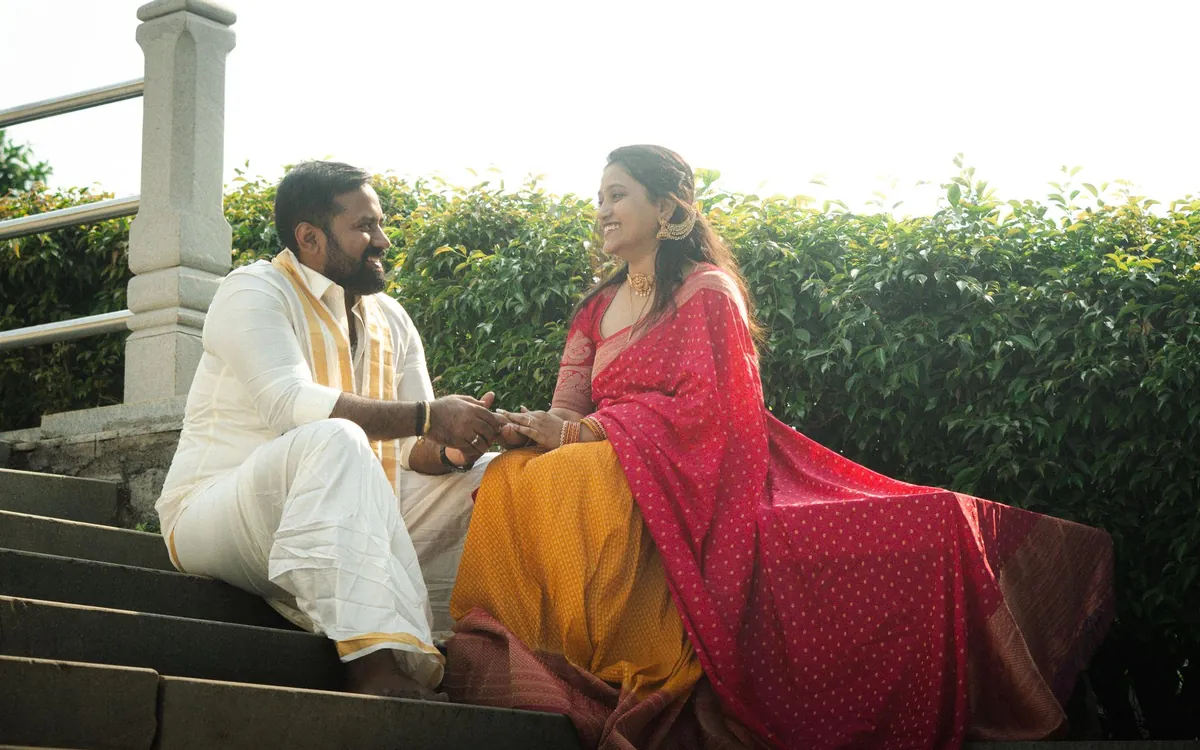
Who looks for a second marriage
Broadly, three situations:
- Divorced individuals, sometimes with children, seeking a fresh, healthier partnership.
- Widowed men and women looking for companionship after loss.
- People whose earlier engagement or very short marriage ended, and who are effectively starting again.
Each comes with its own emotions and its own pace. There is no single "right time" — only the time that feels right for that person and their family.
Handling stigma with quiet confidence
If you face raised eyebrows, the most useful posture is calm honesty. You do not owe anyone a detailed account of your past, but you also have nothing to be ashamed of. Families who genuinely respect you will focus on your future, not your history. Surround yourself with those people, and give less weight to the rest.
Talking to your family
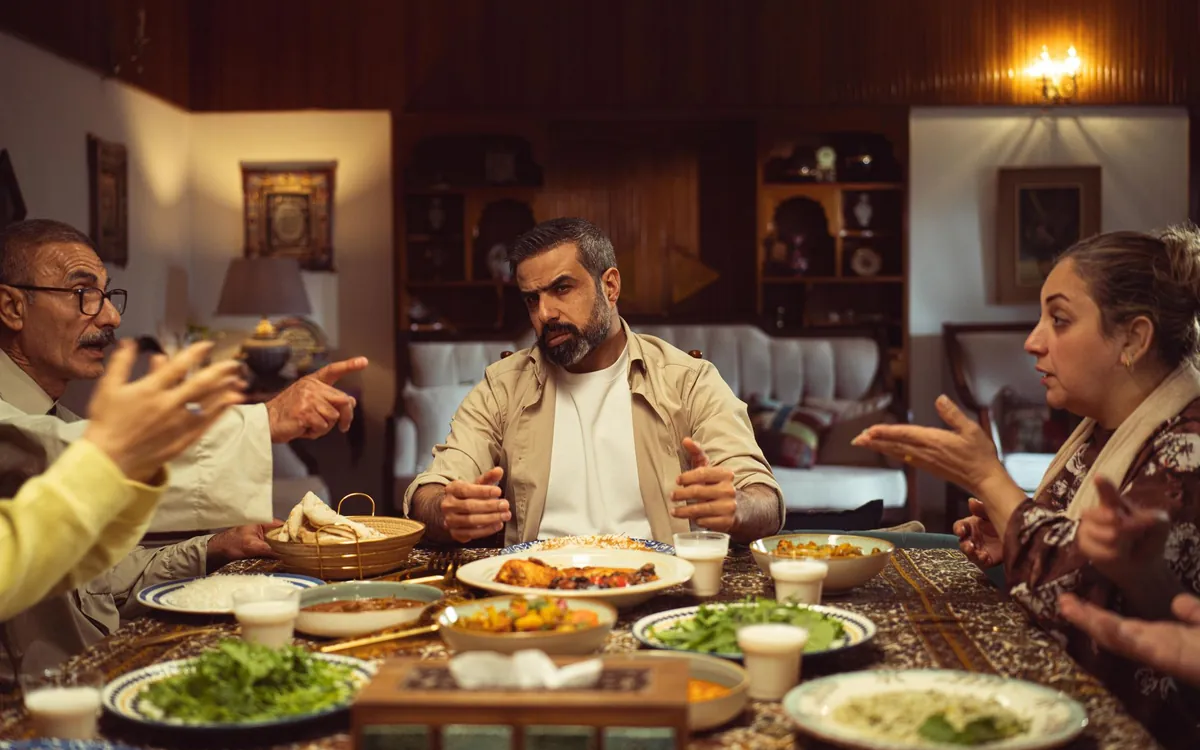
Family support makes a second marriage far smoother. A few things help:
- Raise it directly rather than hinting — clarity invites support.
- Acknowledge their concerns (children, society, finances) and address them one by one.
- Involve trusted elders who can speak on your behalf if conversations get difficult.
Most families, once they see that the person is serious and the match is sound, come around with warmth.
What is different the second time
A second marriage rewards honesty about a few practical realities that a first marriage may not face:
Children. If either partner has children, they are part of the marriage from day one. Discuss openly how they will be raised, cared for and included, and — where age allows — involve them gently in the process. A partner who embraces your children is worth more than any other quality.
Finances and responsibilities. There may be existing commitments — a home, support for elders, or arrangements from a previous marriage. Talk about money and responsibilities early and plainly; it prevents the misunderstandings that strain second marriages.
Expectations. People entering a second marriage often know themselves better and want companionship and respect over grand romance. Being clear about what you each want makes for a stronger, calmer match.
The legal and practical side
Before remarrying, make sure the previous marriage is fully and legally closed. For divorced individuals that means a final divorce decree; for widowed individuals, the relevant documentation. Sorting the paperwork first protects everyone and keeps the new marriage on solid ground. Where children or property are involved, a short conversation with a lawyer is time well spent.
Finding a respectful match
The goal is a family and a partner who value you for who you are now. When you browse or create a profile, be upfront about your situation — the right people will respond precisely because you were honest. Look for maturity, kindness, and a family that treats the match as a fresh, equal beginning.
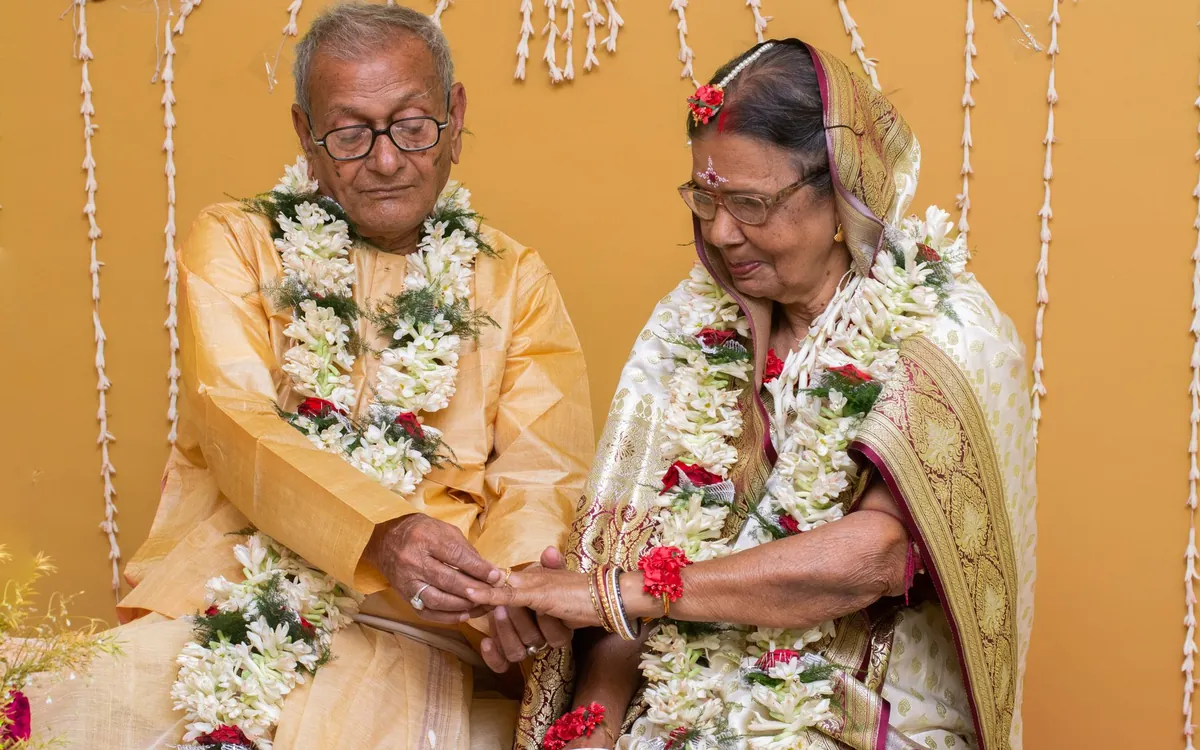
On Goswami Matrimony, members can share their marital status openly and search for others seeking a second marriage within the community. If you are ready, create a free profile or browse brides and grooms — a second chapter can be just as full of warmth as the first.
Frequently asked questions
Is second marriage accepted in the Goswami community?
Increasingly, yes. Attitudes have shifted, widow remarriage has long-standing sanction, and many families now support a second marriage as a dignified path to companionship. Some hesitation remains in places, but community matrimony platforms increasingly welcome second-marriage profiles.
How do I tell my family I want to remarry?
Raise it directly and calmly, acknowledge their genuine concerns about children, finances or society, and address them one by one. Involving trusted elders who support you can make the conversation easier. Most families come around once they see the match is sound.
What should I consider if I or my partner have children?
Discuss openly how the children will be cared for and included, and where appropriate involve them gently in the process. A partner who embraces your children is one of the most important qualities to look for in a second marriage.
What documents are needed for a second marriage?
Ensure the previous marriage is legally closed — a final divorce decree for divorced individuals, or the relevant documentation for widowed individuals. Where property or children are involved, brief legal advice is worthwhile before remarrying.
Should I mention on my profile that I am looking for a second marriage?
Yes. Being upfront about your marital status attracts the right, respectful responses and saves time. Honesty at the start sets a healthy foundation for the new relationship.