A streak of red in the parting of the hair is one of the most recognisable signs of a married Hindu woman: sindoor, the vermilion applied for the first time by the groom during the wedding. Simple as it looks, it carries deep meaning and a ritual of its own. Here is what sindoor signifies and how the tradition works.
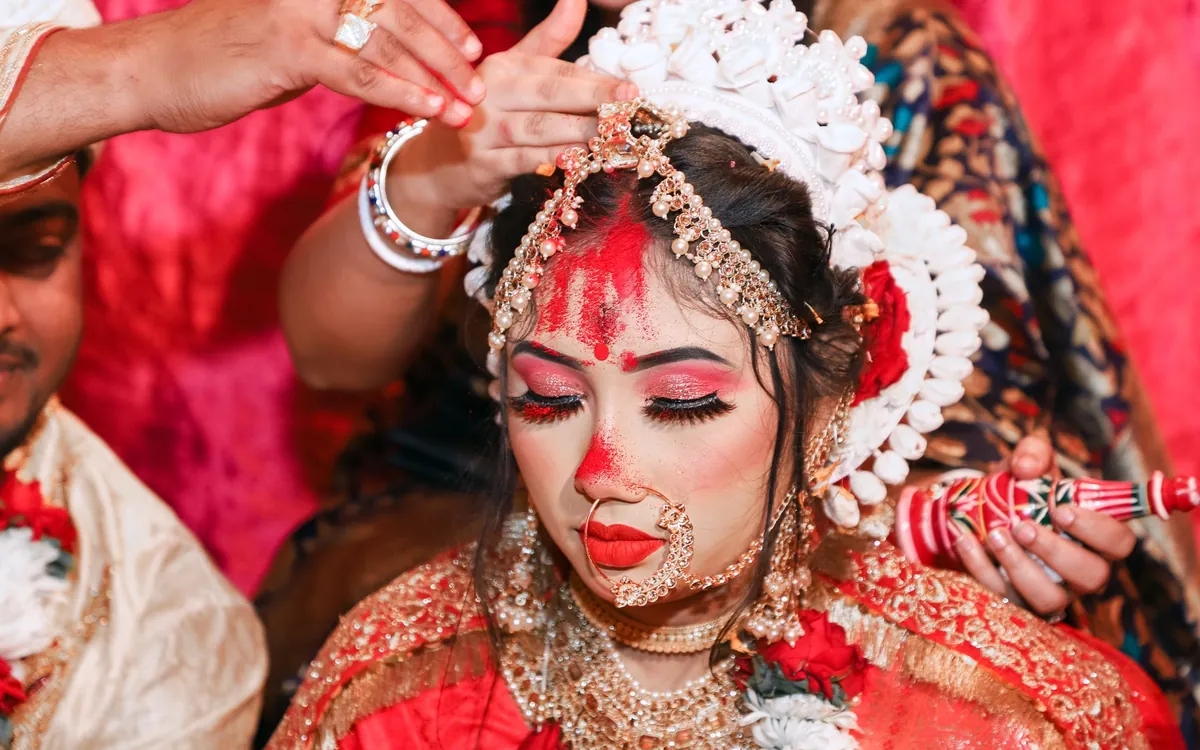
What is sindoor?
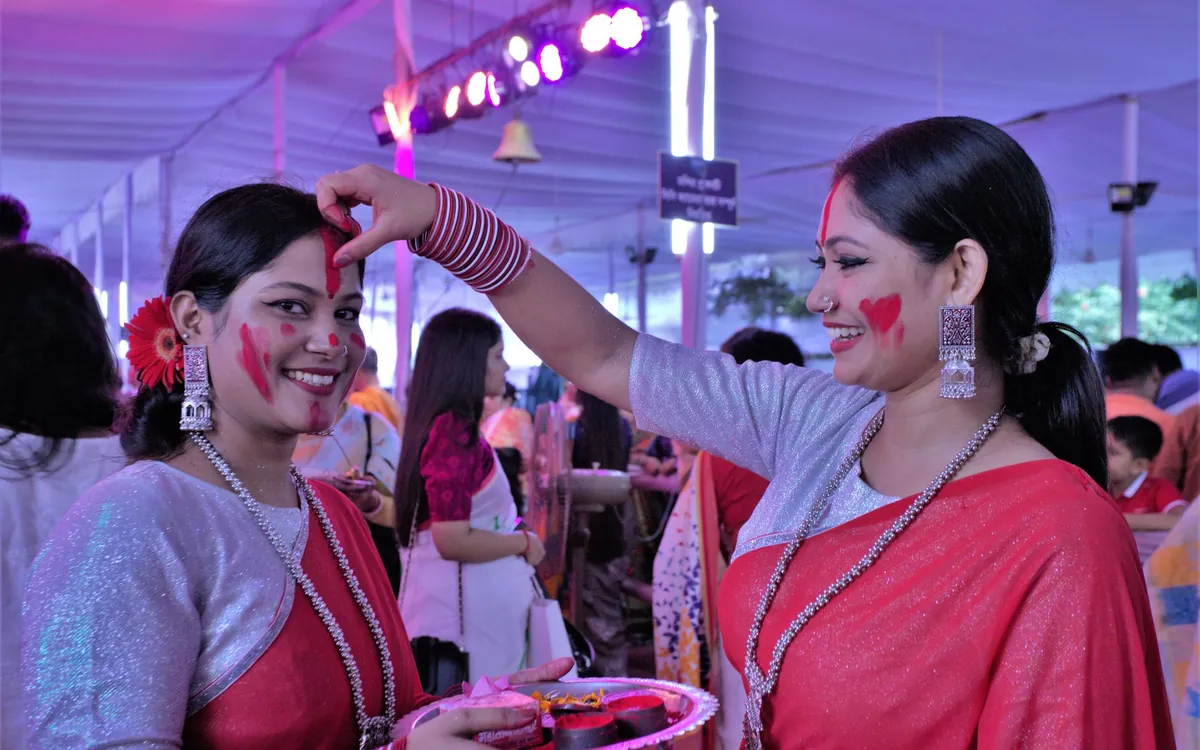
Sindoor is a red or orange-red vermilion powder applied along the parting of a married woman's hair, and sometimes as a dot on the forehead. It is applied for the first time by the groom during the wedding and, by tradition, worn thereafter as a mark of marriage.
Sindoor daan — the wedding ritual
The ritual of applying it is called sindoor daan. During the wedding, the groom places sindoor in the bride's hair parting, usually right after or alongside tying the mangalsutra. It is one of the defining moments that completes the marriage, witnessed by both families.
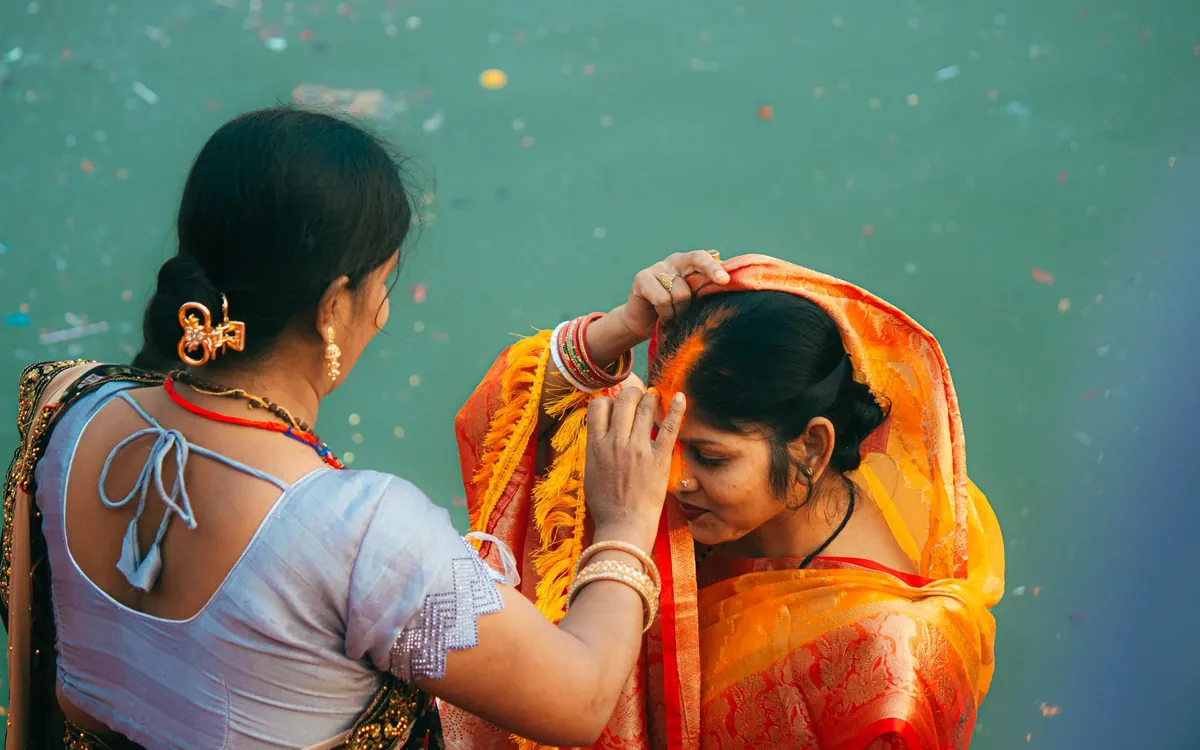
The meaning behind it
Sindoor carries several traditional meanings:
- A symbol of marriage — the clearest visible sign that a woman is married.
- Well-being of the husband — customarily worn with prayers for the husband's long life and the couple's prosperity.
- Auspiciousness — red is a deeply auspicious colour in Hindu tradition, associated with energy and good fortune.
Regional and cultural variations
How and where sindoor is worn varies. Some women wear a full streak along the parting; others a small dot at the hairline. The shade ranges from bright red to deep maroon by region and preference. Across communities, including the Goswami samaj, families follow their own customs.
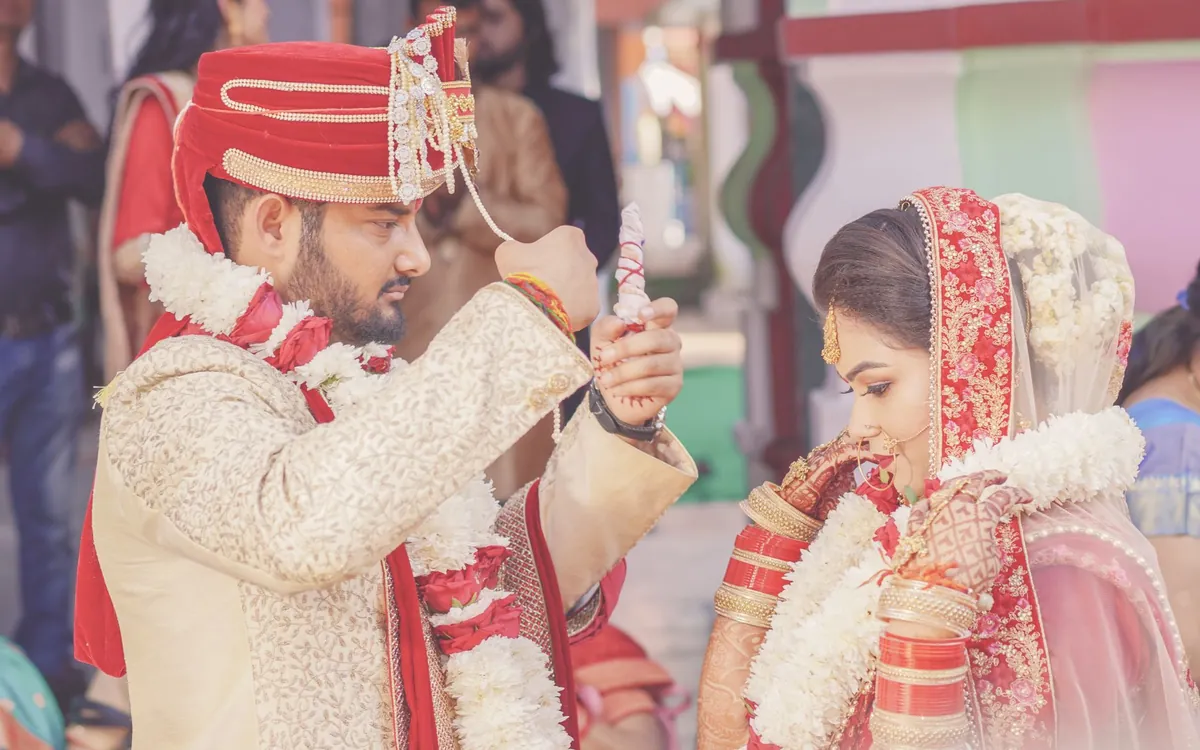
A tradition that is evolving
Like many customs, sindoor is worn more flexibly today. Some women wear it daily, some only on occasions, and some choose not to wear it while still honouring their marriage in other ways. The symbol endures because its core meaning — marking and blessing a marriage — remains meaningful, even as its everyday expression changes.
Still searching for the marriage this tradition will one day mark? Browse verified Goswami brides and grooms.
Frequently asked questions
What is sindoor?
Sindoor is a red vermilion powder applied along the parting of a married Hindu woman's hair. It is first applied by the groom during the wedding and traditionally worn thereafter as a mark of marriage.
What is sindoor daan?
Sindoor daan is the wedding ritual in which the groom applies sindoor to the bride's hair parting, usually alongside tying the mangalsutra. It is one of the defining moments that completes a Hindu marriage.
What does sindoor symbolise?
Sindoor symbolises a woman's married status, is customarily worn with prayers for the husband's long life and the couple's prosperity, and reflects the auspiciousness of the colour red in Hindu tradition.
Do all married Hindu women wear sindoor daily?
Not necessarily. Practices vary widely — some wear it daily, some only on occasions, and some not at all, while still honouring their marriage. The custom is followed more flexibly today.
Does the style of wearing sindoor vary by region?
Yes. Some women wear a full streak along the parting, others a small dot at the hairline, and the shade ranges from bright red to deep maroon depending on region and personal preference.