After the music, the rituals and the vows, every Indian wedding reaches one quiet, heavy moment: the vidaai. This is the farewell, when the bride leaves her parents' home to begin life with her husband's family. It is the most emotional part of the day, and one of the most meaningful. Here is what it means and how it unfolds.
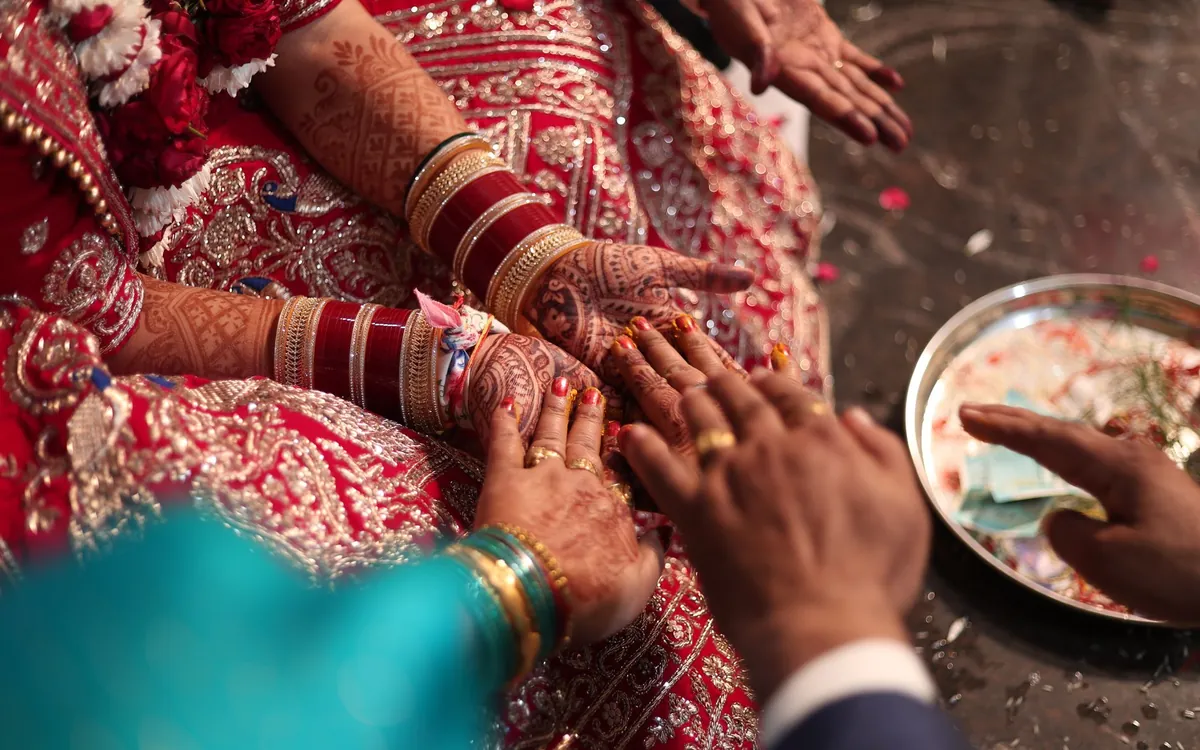
What is the vidaai?
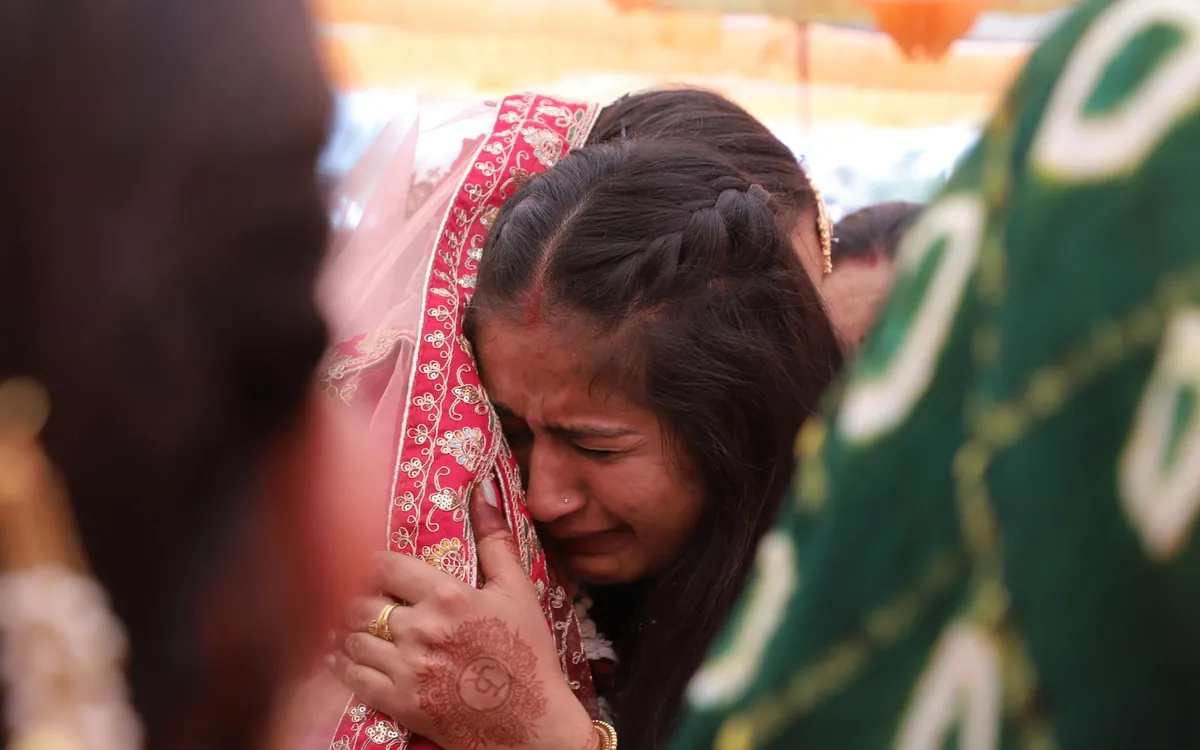
Vidaai (or bidaai) means "farewell". It marks the bride's departure from her family home after the wedding. Surrounded by parents, siblings and relatives, she says goodbye and leaves for her new home — a moment thick with love, gratitude and tears.
The customs of vidaai
A few tender rituals mark the departure:
- The rice throw. As she leaves, the bride often throws handfuls of rice or coins backward over her head, a gesture of thanking her parents and wishing prosperity and blessings to remain in the home she is leaving.
- The farewell embrace. She hugs each family member — the parents' embrace is usually the most emotional moment of the entire wedding.
- The departure. She leaves in the wedding car, traditionally not looking back, as the family sees her off.
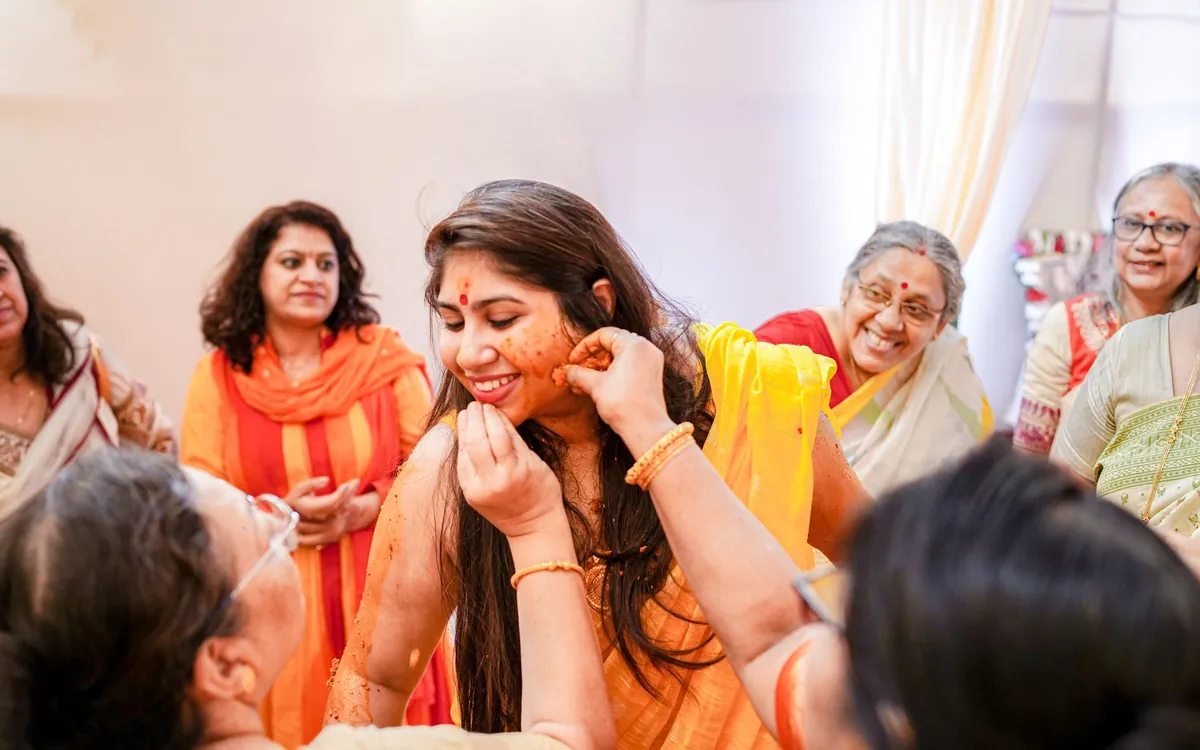
Why it is so emotional
The vidaai carries the weight of a life changing. For parents, it is the daughter they raised leaving home; for the bride, it is gratitude and love mixed with the ache of parting. Even in an age when daughters stay close, work, and visit often, the symbolism runs deep — which is why even the most composed families weep at the vidaai.
A changing tradition, a lasting meaning
Modern vidaais are gentler than they once were. Brides stay connected, homes are a phone call away, and the "leaving forever" feeling has softened into "beginning something new". Yet the ritual endures because its heart — honouring the bond between a daughter and her parents — never goes out of date.
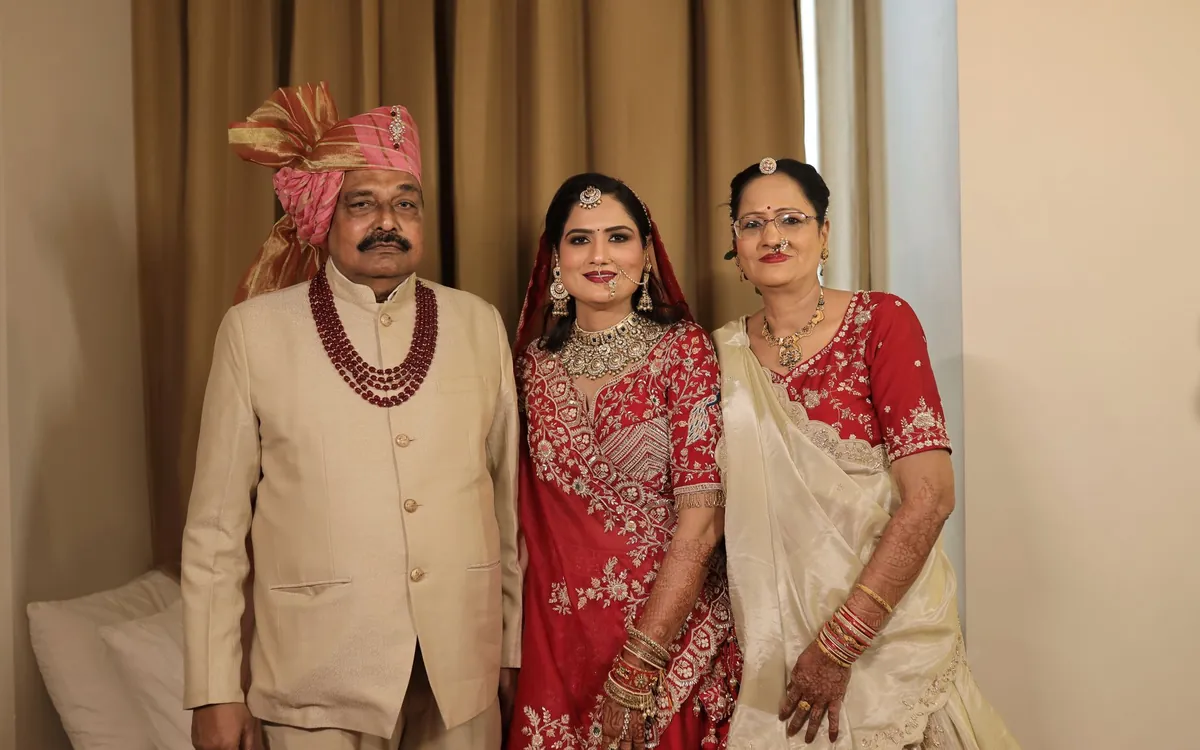
For the families
If you are the one leaving or the one letting go, let the emotion be what it is. The tears of a vidaai are not sadness alone — they are love, made visible. And they mark not an ending but the start of a new family taking shape.
Still on the journey toward that day? Browse verified Goswami brides and grooms to begin.
Frequently asked questions
What is the vidaai ceremony?
The vidaai is the farewell ritual at the end of an Indian wedding, when the bride leaves her parents' home to begin life with her husband's family. It is the most emotional moment of the wedding.
Why does the bride throw rice at vidaai?
As she leaves, the bride throws rice or coins backward over her head to thank her parents and to wish that prosperity and blessings remain in the home she is leaving behind.
Why is the vidaai so emotional?
It marks a daughter leaving the home she grew up in. For parents and bride alike it blends love, gratitude and the ache of parting, which is why even composed families weep during it.
Has the vidaai tradition changed over time?
Yes. With daughters staying connected, working and visiting often, the "leaving forever" feeling has softened. But the ritual endures because it honours the enduring bond between a daughter and her parents.
Does the bride look back during vidaai?
Traditionally the bride does not look back as she leaves, symbolising moving forward into her new life. Customs vary by family, and many treat this loosely today.