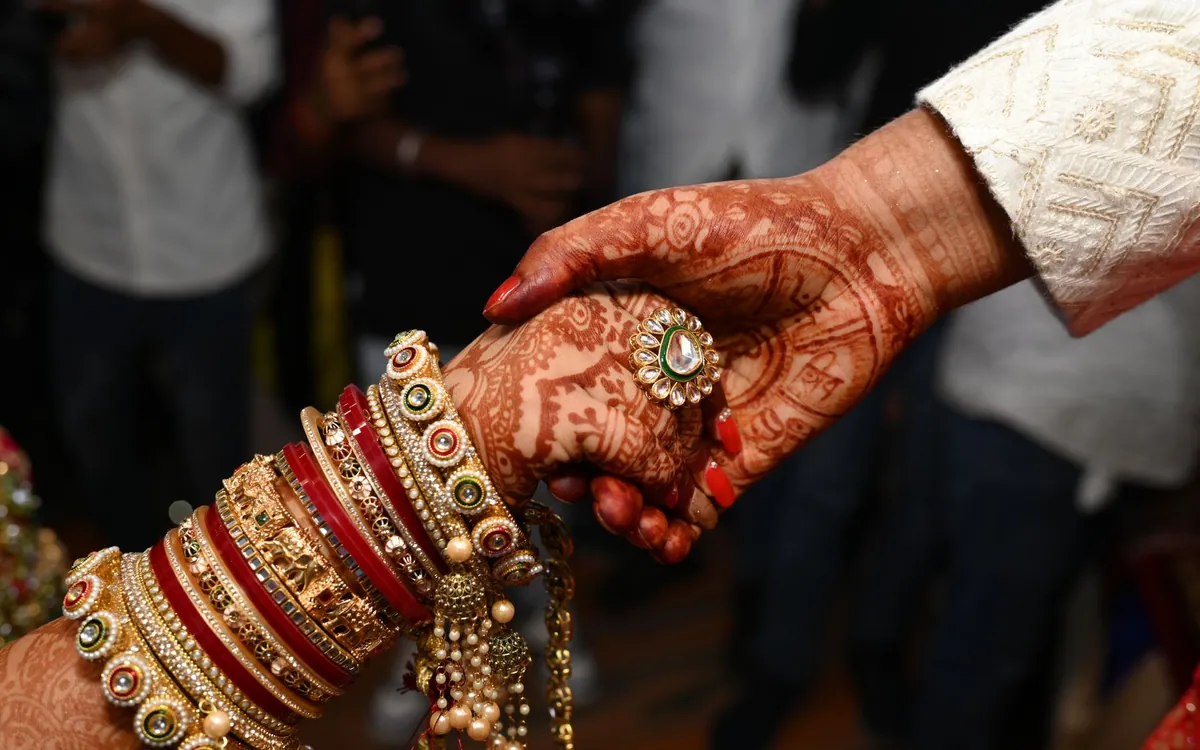

Indian weddings are famous for their scale — and, too often, for the debt they leave behind. It does not have to be that way. With a clear budget and honest priorities, a family can celebrate beautifully without overspending. Here is a practical guide to planning a wedding budget that keeps the joy and loses the financial stress.
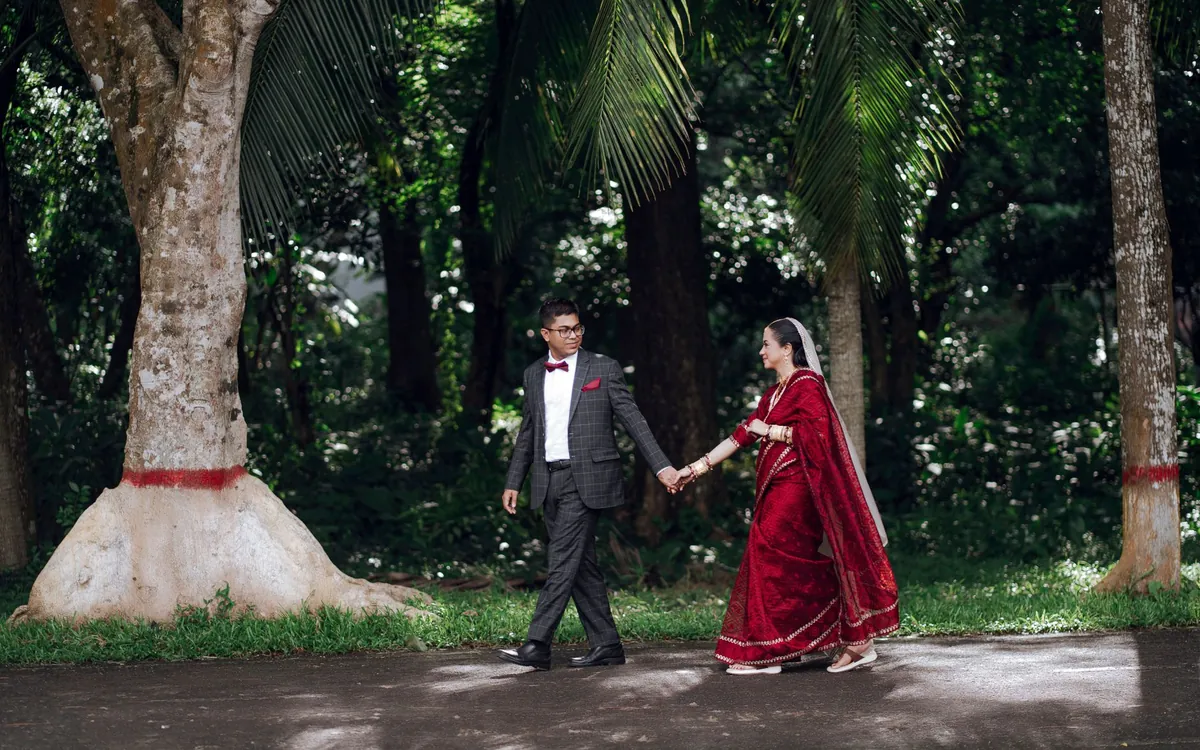
Start with a real number
Before booking anything, decide what the family can genuinely afford — a figure that does not require loans that will burden the couple's early married life. Write it down. A budget only works if it is set first and respected, not discovered afterwards.
Where the money goes
Most of an Indian wedding budget flows into a few big categories:
- Venue and catering — usually the largest share.
- Guest count — the single biggest multiplier; every guest adds to food, seating and space.
- Decor and lighting.
- Clothes and jewellery.
- Photography and videography.
- Invitations, gifts and miscellaneous.
Knowing these lets you allocate deliberately instead of reacting to each vendor's pitch.
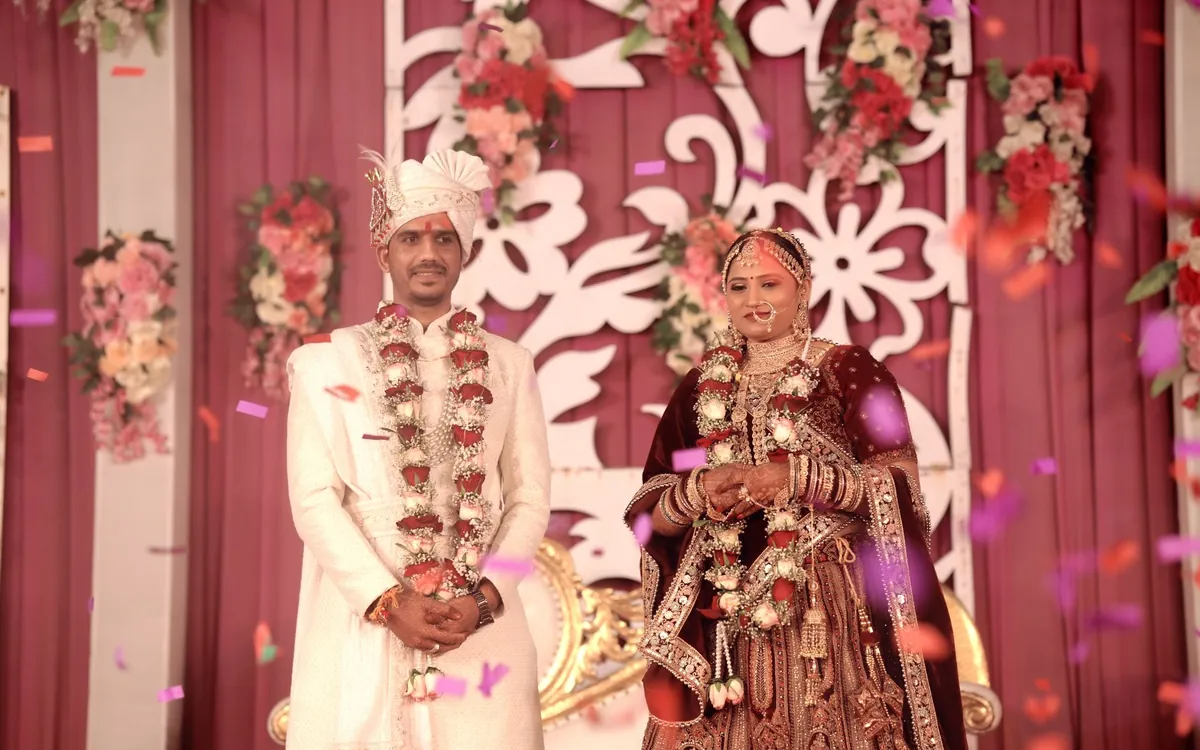
Prioritise what matters to you
Every family cares about different things — for some it's the food, for others the photos or the venue. Decide your top two or three priorities, spend comfortably there, and economise elsewhere. Trying to make everything grand is how budgets break.
Practical ways to save
- Trim the guest list. Fewer, closer guests cut the biggest cost and make the day warmer.
- Choose off-peak dates where an auspicious muhurat allows — peak-season venues cost far more.
- Book early for better rates on venue and key vendors.
- Rent or reuse outfits and decor where it makes sense.
- Skip the show you won't miss — many expensive extras are forgotten a week later.
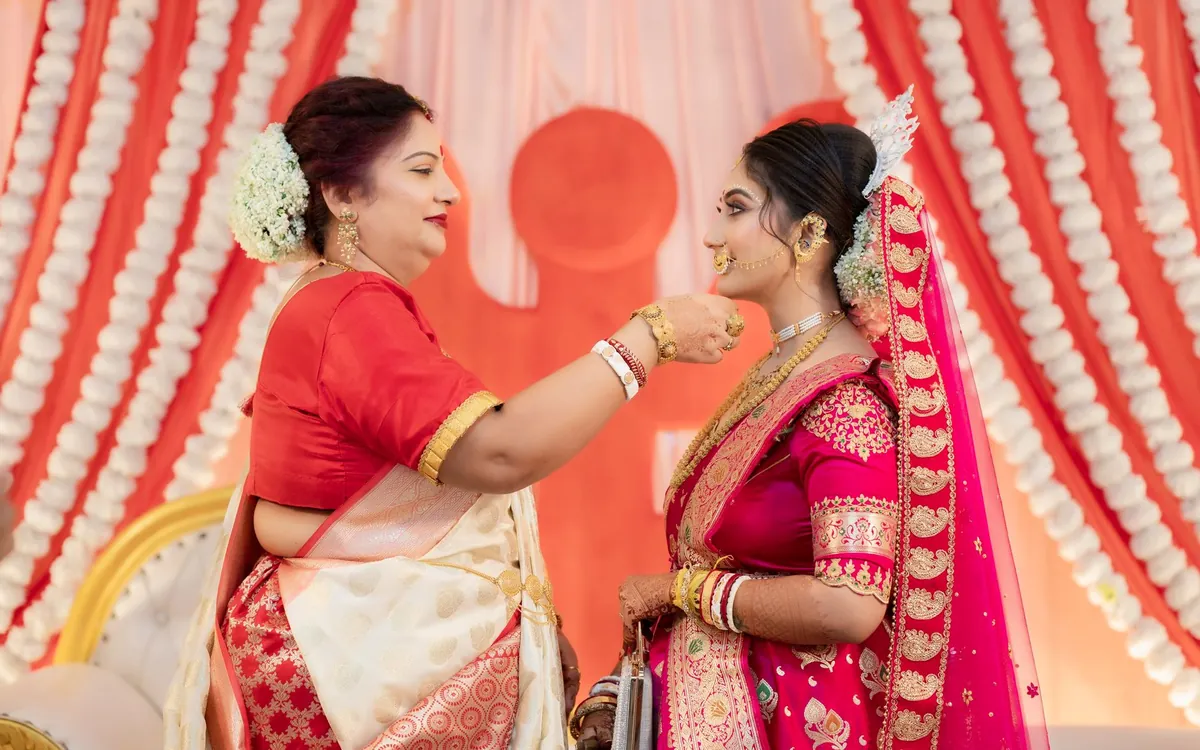
Celebrate, don't compete
The happiest weddings are remembered for warmth, not spend. Money saved on show can help the couple start their life — a home, savings, a beginning. A well-planned, dowry-free, within-means wedding is not a lesser wedding; it is a wiser one.
Before the budget comes the match. Browse verified Goswami brides and grooms to begin.
Frequently asked questions
How do I plan a wedding budget?
Start by setting a realistic total the family can afford without burdensome loans, then allocate it across the main categories — venue, catering, guest count, decor, clothes and photography — prioritising what matters most to you.
What is the biggest cost in an Indian wedding?
Venue and catering usually take the largest share, and the guest count is the single biggest multiplier, since every guest adds to food, seating and space. Trimming the guest list saves the most.
How can I save money on an Indian wedding?
Trim the guest list, choose off-peak dates where a muhurat allows, book vendors early, rent or reuse outfits and decor, and skip expensive extras that are quickly forgotten.
How much should I spend on a wedding?
Only what the family can genuinely afford without loans that burden the couple's early married life. Money saved on show can instead help the couple start their life together.
Is a smaller wedding less respectful of tradition?
No. A smaller, within-means wedding keeps all the meaningful rituals and is remembered for its warmth. Spending less on show is a wiser choice, not a lesser celebration.