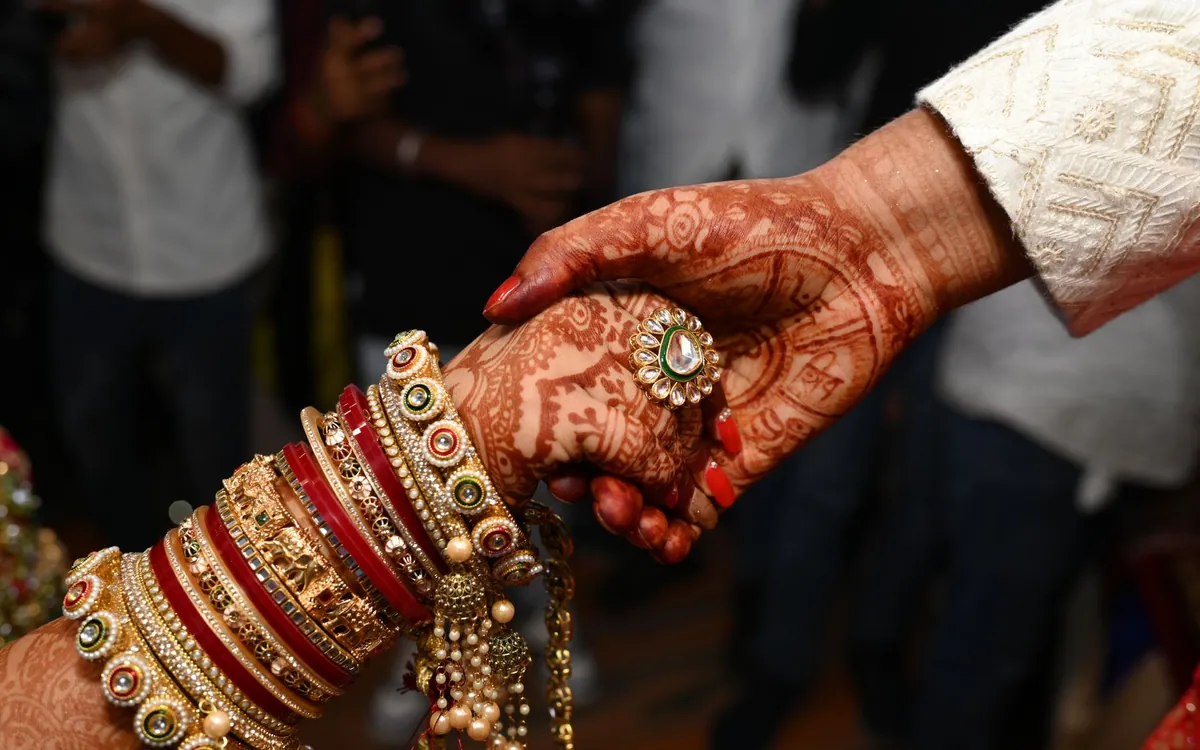

For too long, a widow in India was expected to set aside any thought of a new life. That expectation is fading. Widow remarriage has had legal sanction for over a century and a half, and today it is increasingly seen for what it is — a dignified, hopeful path to companionship. Here is a compassionate look at the rights, realities and guidance around widow remarriage.
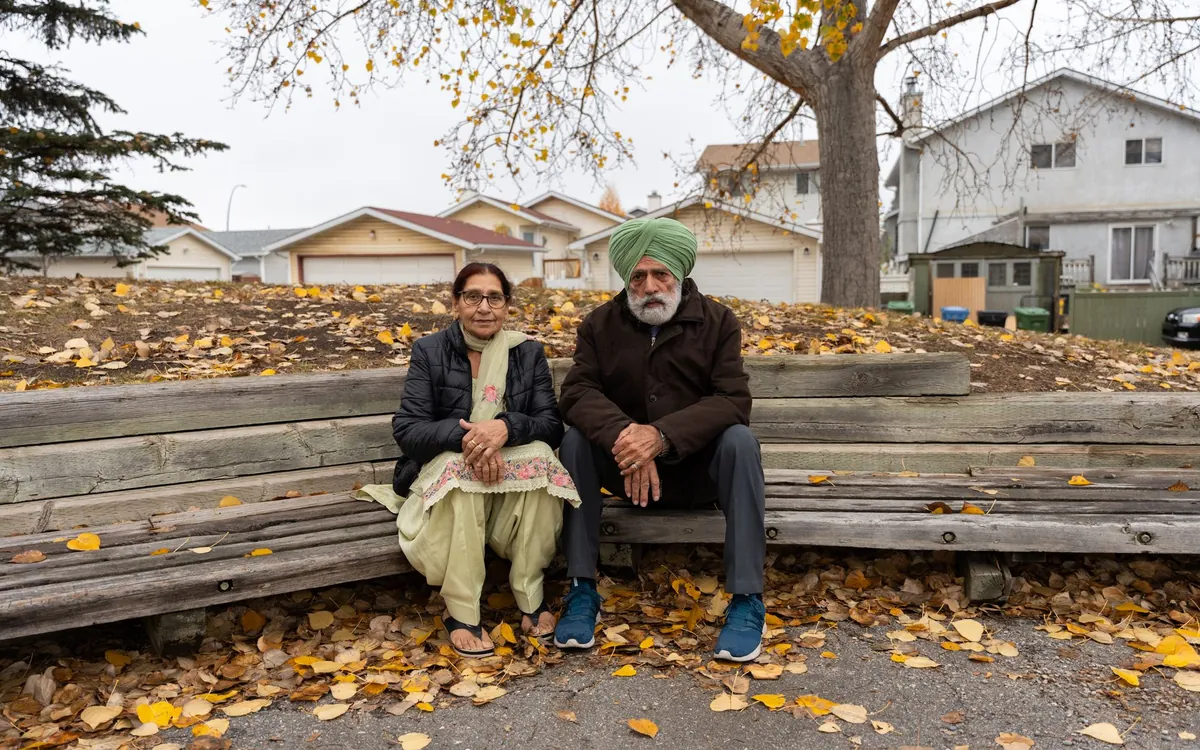
A long-standing legal right
Widow remarriage was legally sanctioned in India by the Hindu Widows' Remarriage Act of 1856, and modern law fully affirms a widow's right to remarry. There is no legal barrier whatsoever — a widow is free to marry again, like anyone else. The obstacles, where they remain, are social, not legal.
Changing attitudes
Society has moved a long way. Widow remarriage, once taboo in many families, is now openly supported by a growing number, especially among the educated and the young. Community matrimony platforms increasingly welcome widow and widower profiles, and families more often see a second marriage as a compassionate, sensible choice rather than something to hide.

A widow's rights
Beyond the right to remarry, it helps to be aware of broader protections:
- A widow has inheritance rights in her late husband's estate under law.
- Remarriage does not, in general, erase rights already vested in her, though specifics can depend on circumstances — worth confirming with a lawyer where property or children are involved.
- She has the same freedom as anyone to choose her partner.
Overcoming stigma
Where hesitation remains, quiet confidence works best. A widow has nothing to apologise for and every right to seek happiness. Surrounding oneself with supportive family, and giving less weight to outdated judgement, makes the path far easier. Involving trusted elders who support the decision can also help win over those who hesitate.

Finding a respectful match
The goal is a partner and family who value the person for who they are. Being open about one's situation attracts the right, respectful responses. Look for maturity, kindness, and a family that treats the marriage as a genuine, equal new beginning — and, where children are involved, one that embraces them warmly.
If you are ready for that new chapter, you can create a free profile or browse verified brides and grooms on Goswami Matrimony.
Frequently asked questions
Is widow remarriage legal in India?
Yes. Widow remarriage was legally sanctioned by the Hindu Widows' Remarriage Act of 1856, and modern law fully affirms a widow's right to remarry. There is no legal barrier.
Is widow remarriage socially accepted today?
Increasingly, yes. Attitudes have shifted considerably, especially among educated and younger families, and matrimony platforms now welcome widow and widower profiles. Some hesitation remains in places, but acceptance is growing.
Does a widow lose inheritance rights if she remarries?
A widow has inheritance rights in her late husband's estate under law, and remarriage does not generally erase rights already vested in her, though specifics depend on circumstances. It is wise to confirm with a lawyer where property is involved.
How can a widow overcome social stigma when remarrying?
Quiet confidence, supportive family, and giving less weight to outdated judgement help most. Involving trusted elders who support the decision can also win over those who hesitate. A widow has every right to seek happiness.
What should a widow look for in a second marriage?
Look for a partner and family who value you for who you are, with maturity, kindness, and a genuine, equal approach to the new beginning — and, where children are involved, warmth toward them.