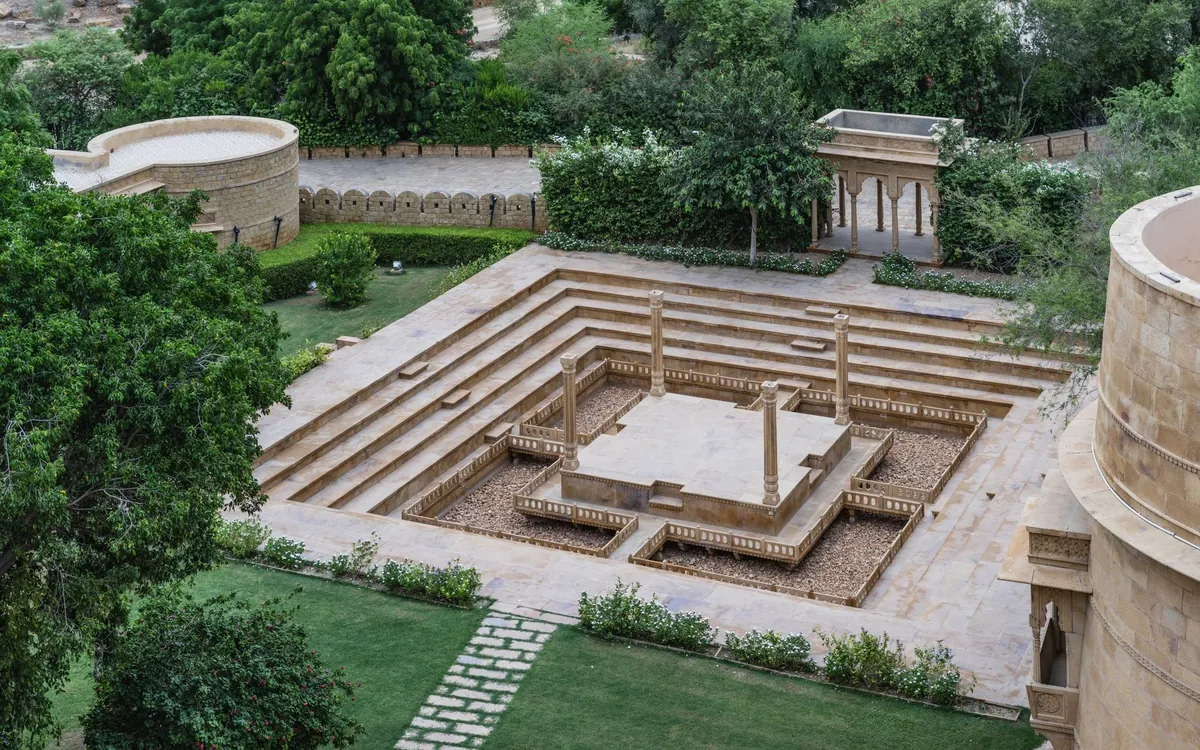
A destination wedding in India means marrying somewhere other than your home city — a palace in Rajasthan, a beach in Goa, a hill resort in Uttarakhand — with your guests travelling and staying together for two or three days. Done well, it is calmer and more intimate than a big-city wedding, because everyone is in one place and nobody is driving home between functions. Done carelessly, it costs far more than the wedding you were trying to simplify.
This guide covers choosing a venue, where the money goes, the guest list, and the honest trade-offs before you commit.
Choosing the destination and venue
The defining feature is not distance. It is that you book one property — a palace hotel, a resort, a heritage haveli, a farmhouse — and host every function there, with guest accommodation included. That is also what alters the budget: you are paying for rooms and travel, not just a hall and food.
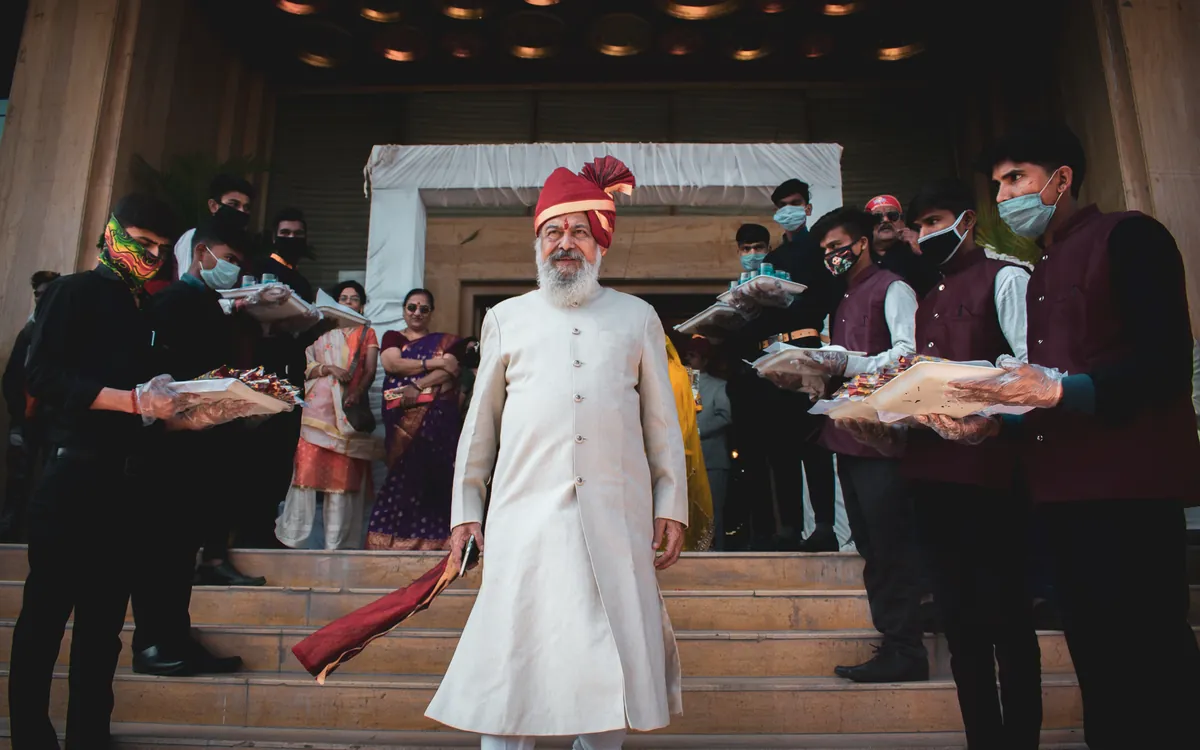
Pick the region first, then the property. The popular choices each suit a different kind of family:
- Rajasthan — Udaipur, Jaipur and Jodhpur, with forts and lake palaces. Grand, photogenic, formal. Best from October to March; summers are punishing.
- Goa — beach and riverside resorts. Relaxed, good for smaller guest lists, strong for younger crowds. Avoid the monsoon months.
- Kerala — backwaters and Kumarakom or Munnar resorts. Green, quieter, good value outside peak season.
- Uttarakhand and Himachal — Rishikesh, Mussoorie, Kasauli. Ideal for families who want a Ganga-side or hill ceremony with a spiritual setting.
- Near-home options — a resort two hours outside your own city. You get the destination feel without flights, and elderly relatives can still attend.
Before booking, ask the property five things in writing: the room count they will block for you, whether outside caterers are allowed, what time music must stop, whether an open sacred fire is permitted for the mandap, and what the cancellation terms are. The music cut-off catches many families out, because sangeet and baraat both run late.
What a destination wedding actually costs
There is no single number — 120 guests at a mid-range Goa resort and the same wedding at an Udaipur palace are different worlds. But the cost structure is always the same, so budget in five buckets:
- Venue and rooms — usually the largest single line. Many properties quote a minimum number of room-nights rather than a hall rental.
- Food and beverage — often charged per plate per function, so three days means six to nine meals, not one dinner.
- Decor and mandap — transporting a decorator from your home city costs more than hiring locally; ask the venue for its empanelled vendors.
- Travel — flights or buses for the immediate family, the pandit, and sometimes the halwai.
- Buffer — keep ten to fifteen percent aside. Weather, extra rooms and last-minute guests are the usual culprits.
The savings, when they come, are real but indirect. One venue means one decor setup instead of three, no travel between functions, and fewer local guests dropping in for a single meal. For a full breakdown of where Indian wedding money goes, read our wedding budget planning guide.

The guest list is the real budget lever
Every other decision follows the guest count, and a destination wedding forces you to cut the list — uncomfortable in Indian families where invitations carry obligation. Handle it this way:
- Decide the number before you fall in love with a venue, not after.
- Split it into an A-list invited to the destination and a B-list invited to a reception back home. A home reception a week later is far cheaper than fifty extra room-nights, and it still honours the wider community.
- Tell people early. Guests need six to eight weeks to book leave and tickets.
- Be explicit about who pays. Most families cover rooms and meals while guests pay their own airfare. Say so politely on the card or in the WhatsApp group so nobody is embarrassed.
- Appoint two cousins as coordinators, one per side, for arrivals, room allocation and airport pickups. This is real work and should not fall on the parents.
Think carefully about elderly relatives. A grandparent who cannot manage a flight and a hill road may be the very person whose blessing matters most — sometimes that alone decides the destination.
The honest pros and cons
In favour:
- Everyone is together for three days, so you actually spend time with your guests instead of greeting them at a gate.
- One venue means simpler logistics and a single decor investment.
- Smaller, warmer gatherings, and usually better photographs.
- A natural, defensible reason to keep the list small.
Against:
- Total cost per guest is higher, even if the total guest count is lower.
- Older and less mobile relatives may be excluded, which can cause hurt.
- Weather and travel disruptions are outside your control.
- Vendors are unfamiliar, and site visits mean repeated trips.
- Planning takes more time, not less.
A destination wedding saves you effort on the day and costs you effort in the six months before it.
Rituals, pandit and muhurat logistics
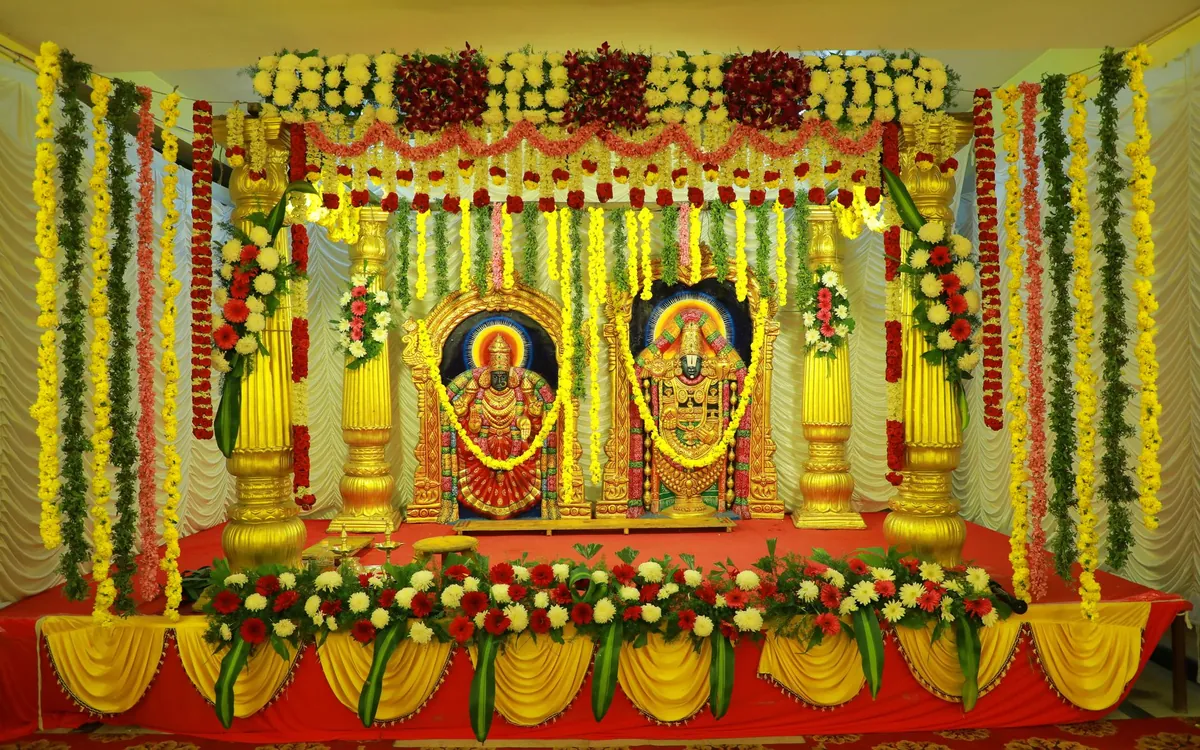
Decide early whether your family pandit travels with you or the venue arranges a local one — and if local, confirm he follows your family's tradition and language.
Carry what you cannot source locally: the family's puja items, specific idols, heirloom jewellery, and the mangalsutra. Hotels rarely stock what a particular community needs.
Fix the muhurat before booking the venue, never the other way round. Auspicious dates cluster in a few months of the year, and those are exactly the dates every other family wants too. Our guide to choosing an auspicious wedding date explains how families and astrologers usually settle this.
A simple planning timeline
- Nine months out — fix the muhurat, agree the budget ceiling and the guest number.
- Seven to eight months — shortlist three properties, visit at least one, negotiate room blocks.
- Six months — book the venue, pay the advance, confirm cancellation terms.
- Four to five months — finalise decor, caterer, photographer and the pandit's travel.
- Three months — send save-the-dates with travel and accommodation details.
- Six to eight weeks — collect confirmations and assign rooms.
- Two weeks — share the function schedule, dress codes and transport plan in one message.
- Arrival day — hand every guest a printed schedule at check-in.
If you are still at the stage of finding the right match rather than planning the wedding, browse verified brides and grooms on Goswami Matrimony, or create your free profile to begin.
Frequently asked questions
Is a destination wedding cheaper than a regular Indian wedding?
Usually not per guest, but often cheaper in total because the guest list is smaller. You pay more for rooms and travel while saving on multiple venues and repeated decor. Families who keep the list under 150 tend to find the totals comparable to a large city wedding.
How many guests should we invite to a destination wedding?
Most Indian destination weddings work best between 60 and 150 guests. Beyond that, room blocks and transport become difficult and the intimacy that justified the destination disappears. Invite the wider circle to a reception in your home city instead.
What is the best time of year for a destination wedding in India?
October to March suits almost every Indian destination, which is why those months are also the most expensive and the hardest to book. Hill stations are pleasant from March to June, and Kerala offers better value just after the monsoon. Avoid the peak monsoon weeks for any outdoor ceremony.
Can we perform all Hindu wedding rituals at a resort?
Yes, provided you confirm it in advance. You need permission for the sacred fire, an open or semi-open space for the mandap, and enough time in the morning for the ceremony. Ask the venue in writing, because some properties restrict open flames indoors.
How far in advance should we book a destination wedding venue?
Six to nine months is the practical minimum, and ten to twelve months for palace properties on popular muhurat dates. Fix your auspicious date first, then chase availability, since the good dates are booked far ahead. Confirm the cancellation and postponement terms before paying any advance.