
Most matrimony scams follow one pattern: someone builds trust quickly online, avoids meeting in person, and then asks for money. If a prospective match or their "family" asks you to pay for anything before you have met, verified them and involved both families, treat it as fraud. Protect yourself by keeping money out of every early conversation, and by doing your checks before you get emotionally attached.
Most families on matrimony sites are genuine. This guide covers the scams that come up most often in India, the warning signs to watch for, and simple safety rules your whole family can follow.
The most common matrimony scams in India
Most matrimony fraud fits into a few familiar stories. The details change, but the shape stays the same.
The "stuck abroad" or NRI scam
The profile says he is a doctor, engineer or businessman working in the UK, US, Canada or the Gulf. He talks warmly for weeks, speaks of marriage and even talks to your parents on the phone. Then he says he is flying to India to meet you and has sent a gift or cash. Soon after, a caller claiming to be from "customs" or "the airport" says the parcel is held and you must pay duty or a clearance fee. There is no parcel. There is no NRI groom.
The medical or legal emergency
After a few weeks of closeness, a sudden crisis appears: a parent in hospital, an accident, a frozen bank account, a police case. The person begs for a "temporary" loan and promises to repay it soon. The emergency is made up to rush you, so you pay before you think.
The investment or trading "opportunity"
This is a growing pattern. The match seems successful and generous and slowly steers the talk to an app or website where they "earn well" from trading or crypto. You invest a small amount, see fake profits, and are encouraged to put in more. When you try to withdraw, fees and excuses appear.
Fake profiles and fake families
Some profiles use stolen photos, invented jobs and a hired "uncle" or "mother" who speaks to your family. Checking the family matters as much as checking the person.
Blackmail after private video calls
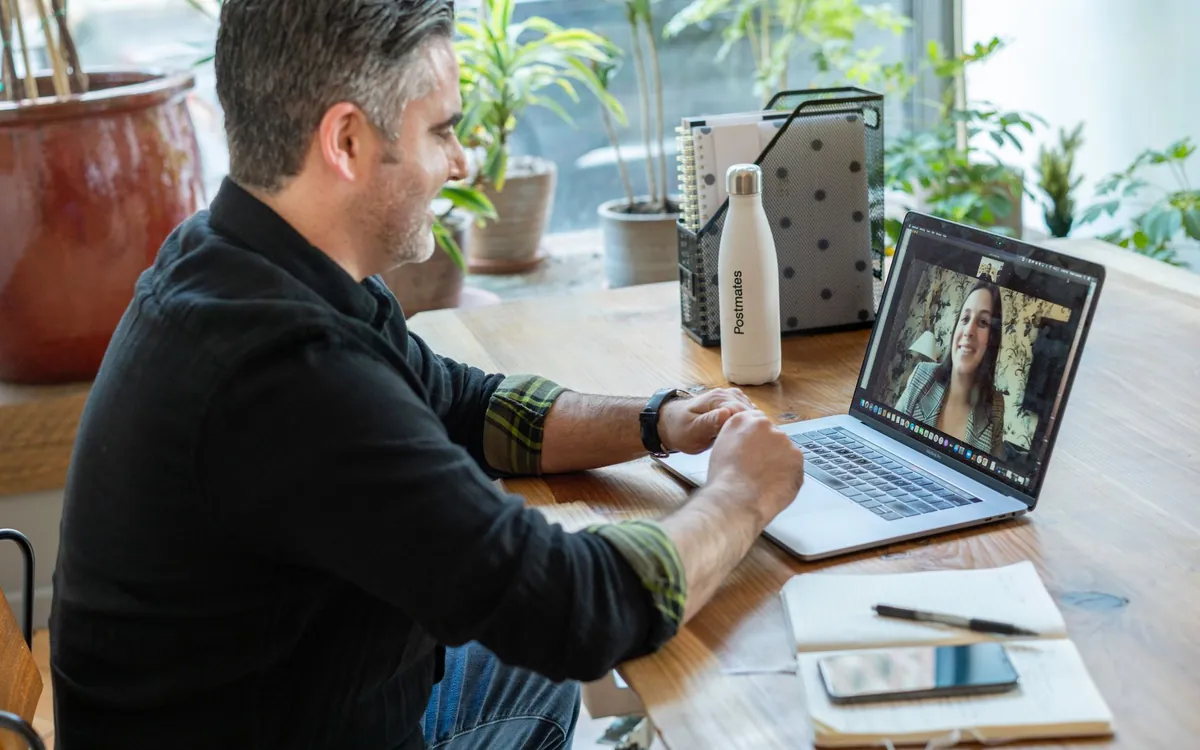
A fraudster may push a video call towards intimacy, record it, and then threaten to share it unless you pay. Keep early video calls simple and fully clothed, and never share private photos with someone you have not met and verified.
Red flags to watch for
No single sign proves fraud, but when several show up together, slow down.
- Too perfect, too fast. High income, foreign posting, good looks, and talk of marriage within days.
- Always a reason not to meet. Travel, visa problems, "busy at the hospital," or a phone camera that never works.
- Moving you off the platform quickly. They push for WhatsApp or Telegram early and avoid the site's own messaging.
- Vague or changing details. The city, company, college or family members change between conversations.
- Photos that look like a model's. Studio-quality pictures with no casual family photos. A reverse image search often shows the same face on other profiles.
- Any mention of money. Customs fees, loans, hospital bills, gifts that need "clearance," or investment tips.
- Secrecy. They ask you not to tell your parents yet, or get upset when your family wants to talk to theirs.
- Pressure and guilt. "If you really loved me, you would help," or a deadline that has to be met today.
A genuine family understands when you want to go slowly. A fraudster does not.
Safety rules every family should follow
These habits cost nothing and prevent almost every matrimony scam.
- Never send money, gifts or pay any fee to a match or anyone connected to them before marriage. No real customs officer calls a private person to collect money for someone else's parcel.
- Meet in person early, in a public place, with a family member or friend nearby. A café, temple or mall during the day is ideal.
- Involve both families from the start. In our community, family-to-family contact is a natural protection. Speak to the parents directly and, where possible, through a known relative or common reference.
- Verify the basics yourself. Check the job through LinkedIn or the company, confirm the city and family background, and ask a trusted relative in that city to make quiet enquiries. Our guide on things to check before fixing a rishta covers this step by step.
- Keep personal details private at first. Do not share your home address, bank details, Aadhaar, PAN or OTPs. No genuine match needs them.
- Stay on the platform's messaging until you have met and feel sure.
- Take your time. A real relationship can wait a week for verification. Urgency is the fraudster's favourite tool. Prepare a few honest questions to ask before an arranged marriage for your first meeting.
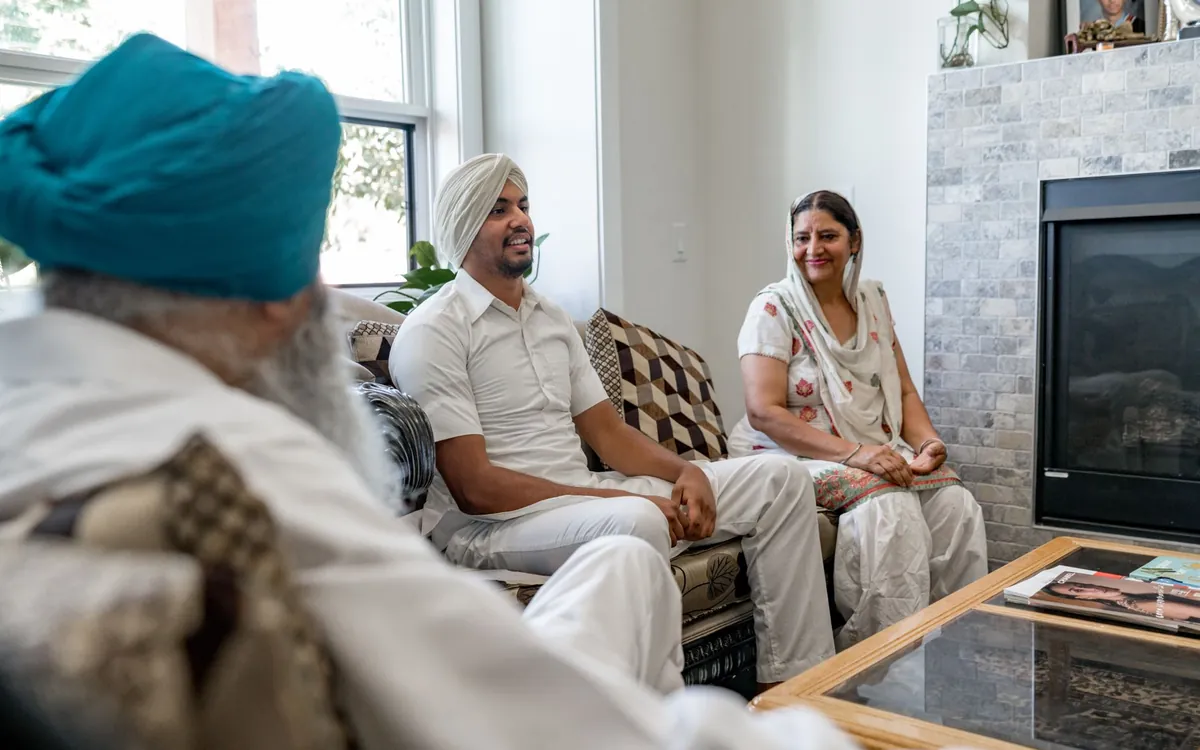
How Goswami Matrimony helps you stay safe
On Goswami Matrimony, profiles are built for families of the Goswami and Dashnami community, where references, gotra details and family background are part of the normal conversation. That community context makes it easier to check who someone really is.
When you browse brides or grooms, look for complete profiles with clear family information, and prefer matches whose details you can confirm through people you know. If a profile feels wrong, report it so our team can review it and protect other families. A well-filled profile also helps you look genuine to others. See our tips on creating an attractive matrimony profile.
What to do if you have been targeted
If you think you are dealing with a fraudster, stop all payments and contact at once. Do not argue or warn them, because that often leads to threats or new tricks.
- Save the evidence. Take screenshots of chats, profile pages, phone numbers, UPI IDs and bank details.
- Report it on the matrimony site so the profile can be blocked.
- If you have lost money, act fast. Call the national cybercrime helpline 1930 or file a complaint at cybercrime.gov.in. Quick reporting gives the best chance of stopping the transfer.
- Tell your bank straight away if you shared card or account details.
- Talk to your family. Shame keeps many victims silent, and silence helps the fraudster. These scams are designed by professionals to fool careful, educated people.
Being cheated is never a sign that you were foolish. It means you met someone who does this for a living. Reporting it protects the next family.

Frequently asked questions
How can I tell if a matrimony profile is fake?
Look for studio-perfect photos, very few personal details, a high-status job abroad and an unwillingness to video call or meet. Run a reverse image search on the photos and check whether the job, city and family details stay the same across conversations. If the person avoids contact between families, be cautious.
Is it safe to send money to a match I plan to marry?
No. Do not send money, gifts or fees to anyone before marriage, whatever the reason given. Genuine families do not ask a prospective match for loans, customs charges or investments, and any such request is a strong sign of fraud.
What should I do if someone asks me to pay a customs fee for a gift?
Refuse and stop contact. Customs authorities do not call private individuals to collect money for a parcel sent by someone else. Save the chat and number, report the profile on the matrimony site, and report the fraud on the cybercrime helpline 1930.
Where do I report matrimony fraud in India?
Call the national cybercrime helpline 1930 or file a complaint online at the National Cyber Crime Reporting Portal. Also report the profile on the matrimony website and inform your bank if you shared any payment details. Reporting quickly improves the chance of recovering money.
How do families verify a prospective match safely?
Speak directly to the parents, use common relatives or community references, and confirm the job and city independently. Meet in person early in a public place with family present. Take a little time before any commitment, because genuine families are happy to be verified.