In kundli matching, no single factor causes more worry than Nadi dosha. Because Nadi carries the most points of all eight kootas, families often treat it as a make-or-break check. Yet it is also widely misunderstood, and classical astrology provides several ways it can be cancelled. Here is a clear, balanced explanation.

What is Nadi dosha?
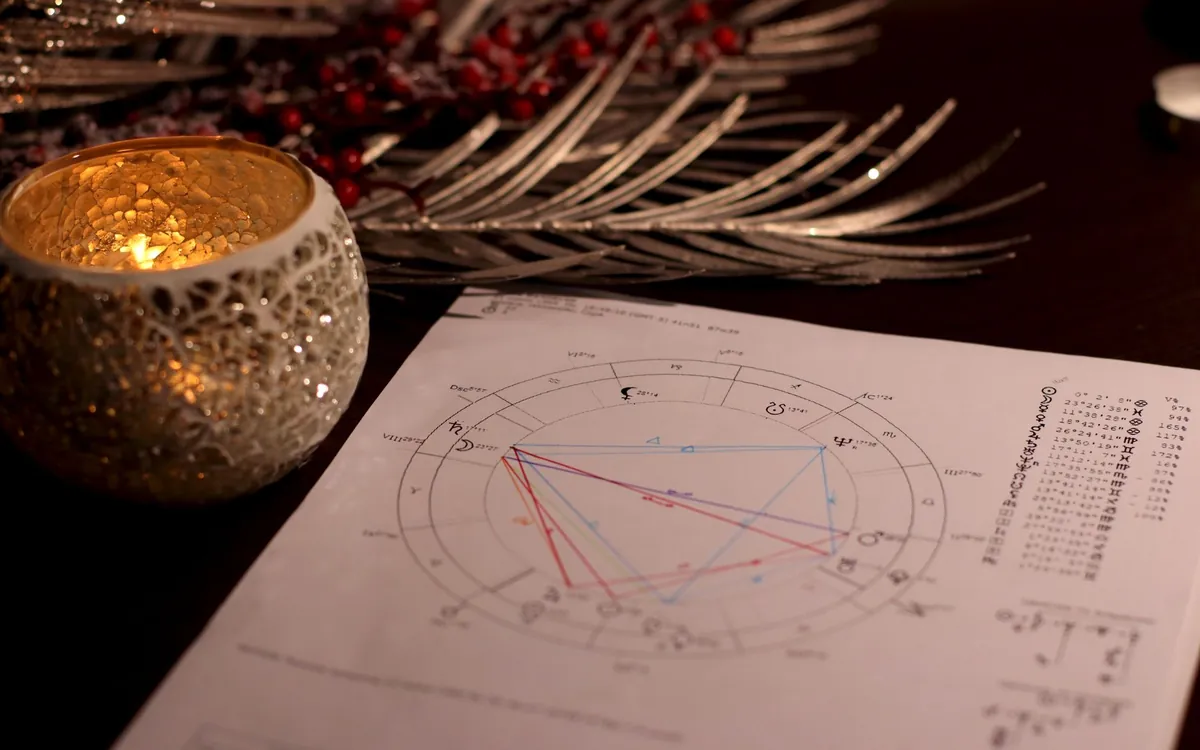
In Ashtakoota (guna milan) matching, each person's nakshatra places them in one of three Nadis — Aadi (Vata), Madhya (Pitta) and Antya (Kapha). Nadi koota carries 8 of the 36 points, the highest of all. When both the bride and groom share the same Nadi, it is considered Nadi dosha, and those 8 points are lost.
Why families worry about it
Nadi is traditionally linked to health and progeny. A shared Nadi is believed by some to affect the couple's health or the well-being of children. Because it also costs the most points, a Nadi dosha can pull an otherwise good match below the comfortable score, which is why families take it seriously.
When Nadi dosha is cancelled (parihar)
This is the crucial part that anxious families often miss: classical texts list several conditions under which Nadi dosha is considered cancelled or nullified (Nadi dosha parihar). Commonly cited ones include:
- The bride and groom share the same rashi (Moon sign) but different nakshatras.
- They share the same nakshatra but different padas (quarters).
- Certain lordship and planetary conditions noted by the astrologer.
Because these rules depend on the fine detail of both charts, only a qualified astrologer can say whether a given Nadi dosha truly stands or is cancelled.
A balanced view
Nadi dosha is a genuine traditional consideration, not a curse. Many well-matched couples have a Nadi dosha that an astrologer finds cancelled, and go on to happy marriages. The wise approach is neither to ignore it nor to panic over it, but to have an experienced astrologer assess the full charts — and to remember that shared values, health and compatibility in real life matter at least as much as any single koota.

Use it as guidance, not a verdict
Treat the guna score and Nadi check as one input among many. To learn how the whole 36-guna system works, see our guide to kundli matching and guna milan. And when you are ready, browse verified Goswami brides and grooms.
Frequently asked questions
What is Nadi dosha?
Nadi dosha occurs in kundli matching when the bride and groom share the same Nadi (Aadi, Madhya or Antya), based on their nakshatras. Nadi carries 8 of the 36 points, so sharing it costs the most and is treated seriously.
Why is Nadi dosha considered serious?
Nadi is traditionally linked to health and progeny, and because it carries the highest points, a shared Nadi can pull an otherwise good match below a comfortable score. This is why families weigh it carefully.
Can Nadi dosha be cancelled?
Yes. Classical astrology lists several cancellation conditions (Nadi dosha parihar) — for example, the same rashi but different nakshatras, or the same nakshatra but different padas. A qualified astrologer assesses whether it applies.
Can a couple with Nadi dosha have a happy marriage?
Absolutely. Many couples with a Nadi dosha that an astrologer finds cancelled go on to happy marriages. Real-life compatibility, health and shared values matter at least as much as any single koota.
Should Nadi dosha alone stop a marriage?
Not on its own. It should be assessed by an experienced astrologer looking at the full charts, alongside all other factors. It is guidance to be interpreted, not an automatic verdict.