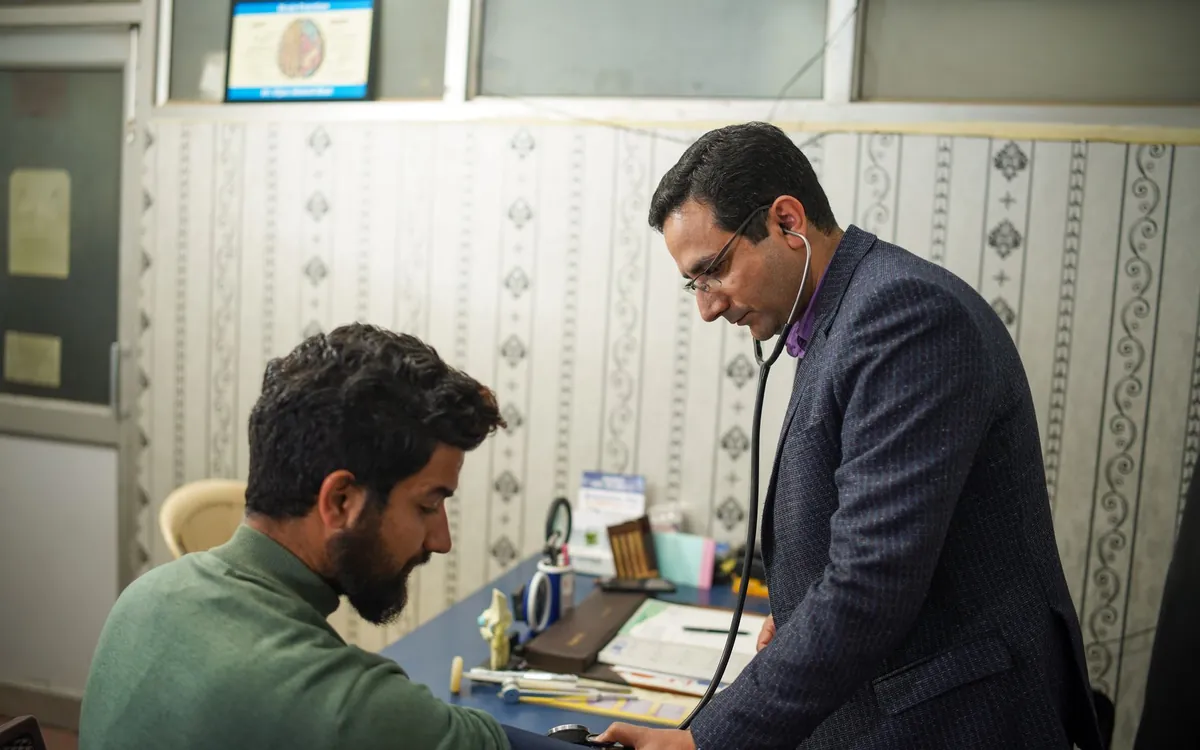
A pre-marriage health checkup is a set of simple medical tests that a couple takes before the wedding to understand their own health and any risks they may pass on to their children. The most commonly suggested ones in India are blood group, thalassemia screening, tests for infections such as HIV and hepatitis B, and basic checks like blood sugar and thyroid. It is not about judging anyone, it is about starting married life with clear information and no unpleasant surprises.
This guide explains which tests are usually suggested, why thalassemia screening matters so much in India and how to bring the subject up without offending anyone.
Why a health checkup before marriage makes sense
Families already check education, income, family background and kundli before fixing a rishta. Health is just as relevant, and often more so, for a couple planning to build a life and raise children together.
A checkup can help:
- Prevent serious inherited conditions in children, especially thalassemia major, by identifying carriers in advance.
- Catch treatable conditions early, such as diabetes, thyroid disorders or anaemia, which many young adults do not know they have.
- Protect both partners from infections that can pass between spouses.
- Support family planning, since some conditions are easier to manage when known before pregnancy.
None of these mean a match must be called off. In most cases, a result simply means a doctor's advice and a plan.
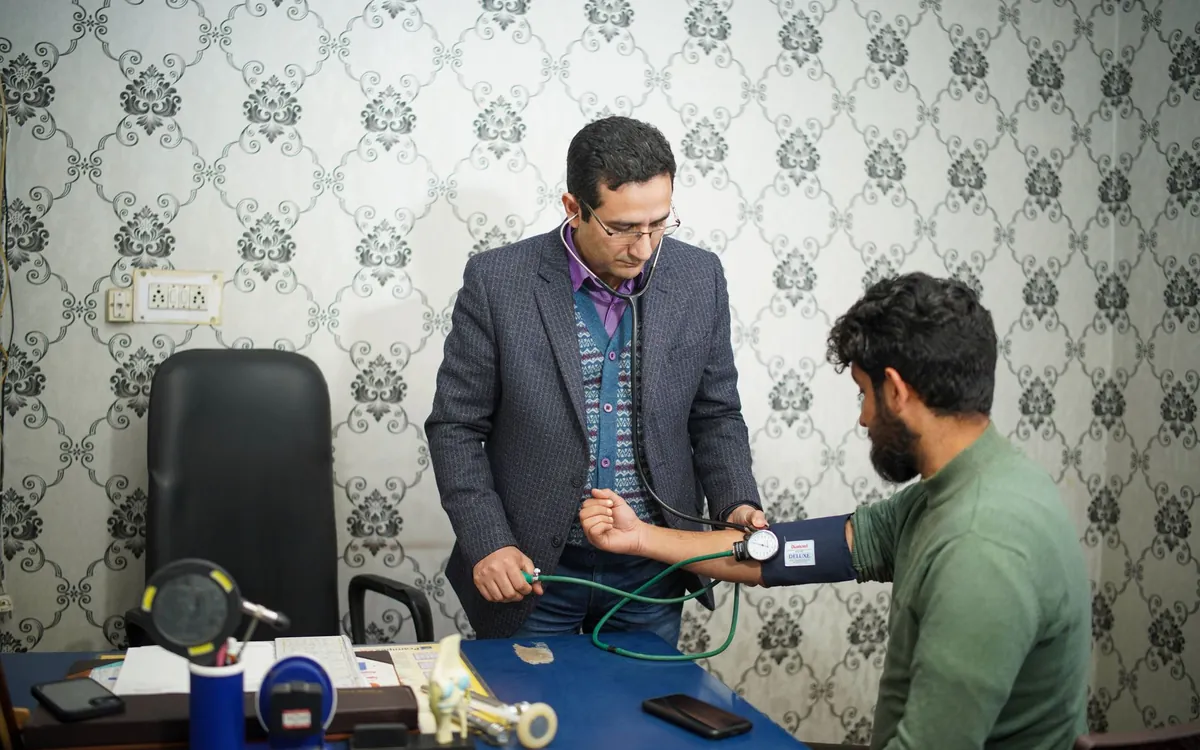
Common tests doctors suggest
The exact list depends on the doctor, family history and personal health, so treat this as a general guide and ask a qualified doctor what is right for you.
Blood group and Rh factor
Knowing both partners' blood groups is useful. If the woman is Rh negative and the man is Rh positive, it does not stop the marriage, but her doctor will want to know during pregnancy so that the right care can be given.
Thalassemia screening
This is probably the most important test for Indian couples. A simple blood test, usually a complete blood count followed by haemoglobin electrophoresis or HPLC, shows whether a person is a carrier of beta thalassemia (often called thalassemia minor or trait).
Carriers are usually healthy and may never know. The concern arises when both partners are carriers: then each pregnancy has a chance of the child being born with thalassemia major, a serious condition that needs lifelong treatment. When couples know this in advance, a doctor or genetic counsellor can explain the options clearly.
In some communities and regions, doctors may also suggest screening for sickle cell disease, which is inherited in a similar way.
Infections
Tests for HIV, hepatitis B, hepatitis C and syphilis (VDRL) are commonly included. Many of these infections can be present without symptoms, and most are manageable or treatable when detected. Hepatitis B, for example, can be prevented in the partner with vaccination.
General health
- Blood sugar (fasting sugar or HbA1c)
- Thyroid function
- Haemoglobin and complete blood count
- Blood pressure
- Sometimes kidney and liver function, depending on age and history
Fertility and reproductive health
Fertility tests are not routine for every couple and should only be done if there is a specific concern or a doctor recommends it. Couples who are older, or who have known health issues, may want to discuss this privately with a gynaecologist or andrologist.
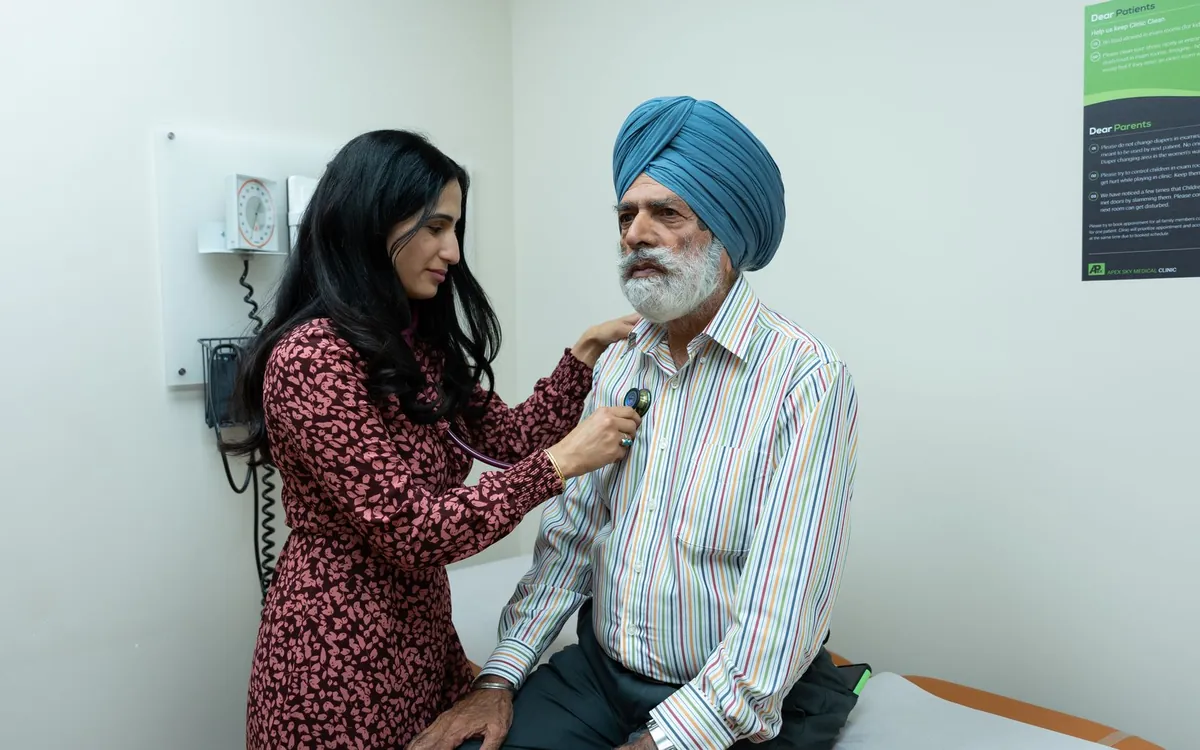
Honesty matters more than the test results
A health checkup only helps if the results are shared honestly. Hiding a known condition, whether it is diabetes, epilepsy, a past surgery or a mental health concern, almost always causes more hurt later than an open conversation would have caused at the start.
At the same time, health information is deeply personal. Some sensible principles:
- Share results between the two partners first, then decide together what to share with parents.
- Do not circulate reports on WhatsApp groups or with extended relatives.
- Focus on what the result means, not on blame. A thalassemia trait or a thyroid condition is nobody's fault.
- Consult a doctor together if anything needs explanation, rather than relying on internet searches or a relative's opinion.
Our list of questions to ask before an arranged marriage includes health as one of the topics worth raising early.
How to bring up the topic sensitively
Many families hesitate because they fear the other side will feel insulted or mistrusted. A few ways to make it easier:
- Make it mutual. Suggest that both partners get tested, not only the other side. "We think it's a good idea for both of them" sounds very different from "We need your son's reports."
- Frame it as care. Present it as something you would want for your own child, not a condition for the rishta.
- Raise it at the right time. After the families are serious about the match, but before the roka or engagement, is usually ideal.
- Let the couple lead. Young adults often find it easier to discuss this directly with each other. Many simply book the tests together at a nearby lab.
It also fits naturally alongside other checks families make, such as those in our guide to verifying a prospective match's background.
Where and how to get tested
Most of these tests are available at government hospitals, private hospitals and diagnostic labs in every Indian city, and many offer pre-marital health packages. Costs vary by city and lab, so compare a few and choose an accredited one. Always discuss the results with a doctor, especially for thalassemia or any abnormal value, rather than interpreting the report yourself.
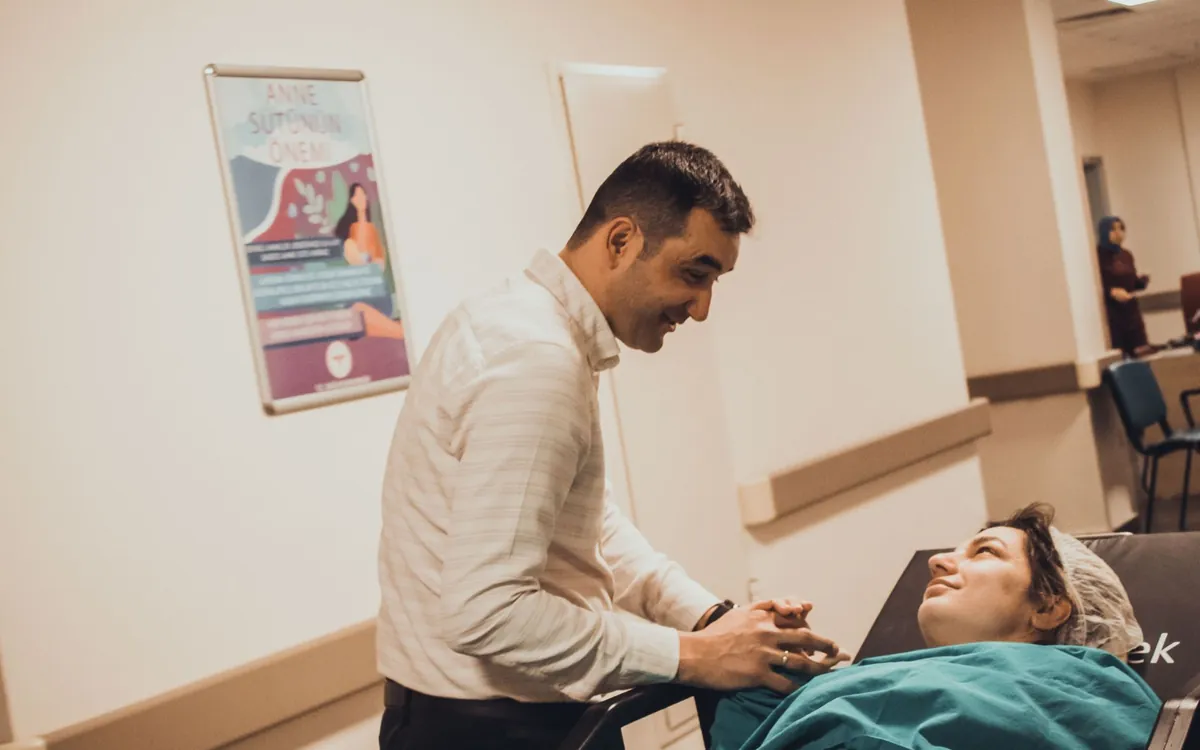
Planning ahead for a healthy marriage
A health checkup is a small step that reflects a bigger idea: marriage is a partnership built on honesty and care for each other. When both families approach it with respect, it builds trust rather than doubt. Our guide on compatibility beyond kundli looks at other practical factors worth considering.
Looking for a partner who values honesty as much as you do? Browse brides and grooms from Goswami and Dashnami families, or register on Goswami Matrimony to start your search.
Frequently asked questions
Is a pre-marriage health checkup compulsory in India?
In most of India it is not legally compulsory for a Hindu marriage. It is a voluntary step that many doctors recommend, and some families and communities strongly encourage it, especially thalassemia screening.
What happens if both partners are thalassemia carriers?
Both partners usually stay healthy, but each pregnancy carries a chance of the child having thalassemia major. A doctor or genetic counsellor can explain the risks and the options available, including testing during pregnancy.
Which tests are most important before marriage?
Commonly suggested tests include blood group, thalassemia screening, HIV, hepatitis B and C, syphilis, blood sugar, thyroid and a complete blood count. A doctor can advise which are right based on your age and family history.
When should we get a pre-marriage health checkup?
The ideal time is after both families are serious about the match but before the engagement. This gives time to consult a doctor about any results without the pressure of an upcoming wedding date.
Should health reports be shared with the whole family?
It is wiser to share results first between the two partners, then decide together what parents need to know. Health information is personal and should not be forwarded to relatives or shared on group chats.