
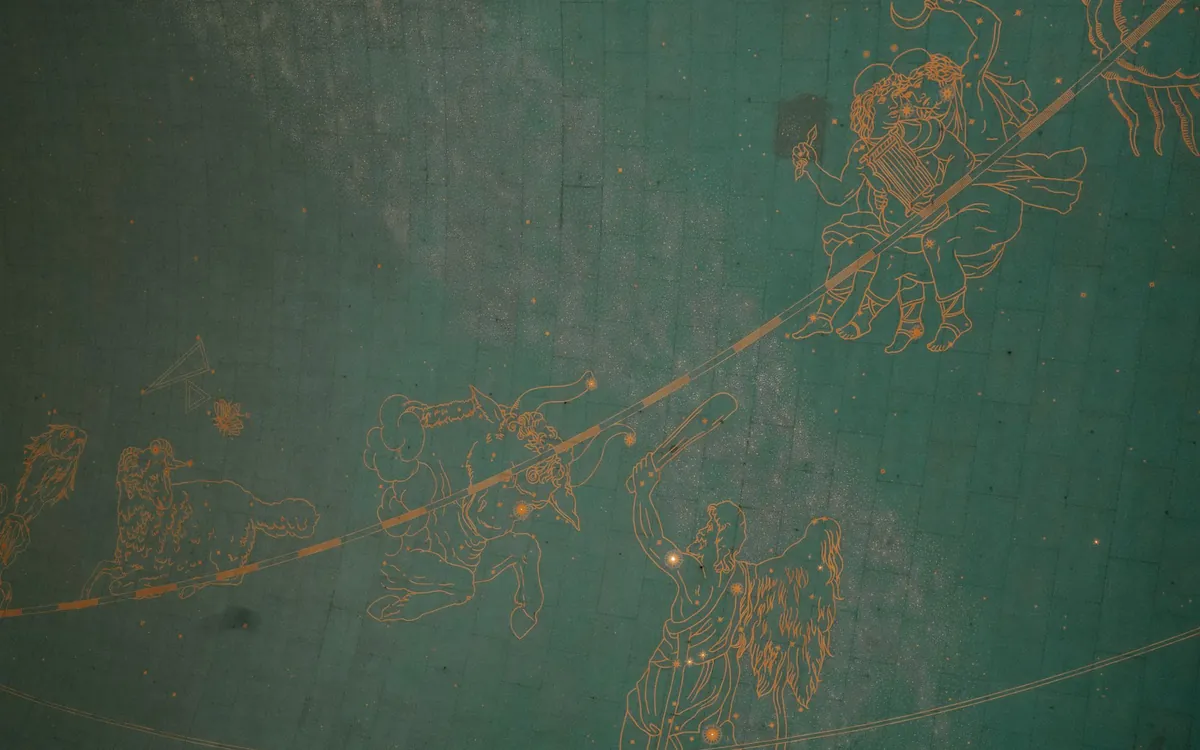
Vedic astrology divides the sky the moon travels through into 27 nakshatras, or lunar mansions, and the one the moon occupied at your birth is your janma nakshatra (birth star). Each nakshatra has a ruling planet, a presiding deity and a traditional character. In marriage matching, the birth stars of both partners feed into several guna milan factors, which is why pandit ji always asks for exact birth details before anything else.
This is a reference guide: what each nakshatra is, what it is traditionally said to signify, and where it fits in a match. Use it to understand your own chart and the language your family astrologer uses.
What a nakshatra actually is
The zodiac is a full circle of 360 degrees. Divide it into 27 equal parts and each nakshatra covers 13 degrees and 20 minutes. Each one is further split into four padas (quarters), giving 108 padas in all, a number many Hindu families already recognise from the mala.
Because 12 rashis share 27 nakshatras, each rashi holds two and a quarter nakshatras. That is why some nakshatras, such as Krittika or Chitra, are spread across two moon signs, and the pada tells you which side of the line a person falls on.
The ruling planets follow a fixed cycle of nine: Ketu, Venus, Sun, Moon, Mars, Rahu, Jupiter, Saturn and Mercury. This cycle repeats three times across the 27 stars, and it is the basis of the Vimshottari dasha system. Your first dasha in life is set by the lord of your birth nakshatra.
The 27 nakshatras at a glance
Here is the full list in traditional order, with ruling planet, deity and the qualities commonly associated with each. Descriptions are traditional and broad, not predictions about any one person.
Nakshatras 1 to 9
- Ashwini (Ketu, Ashwini Kumaras): healing, speed, fresh starts.
- Bharani (Venus, Yama): restraint, responsibility, strong will.
- Krittika (Sun, Agni): sharpness, purification, courage.
- Rohini (Moon, Brahma): growth, beauty, creativity, comfort.
- Mrigashira (Mars, Soma): curiosity, searching, gentleness.
- Ardra (Rahu, Rudra): intensity, change, clearing out the old.
- Punarvasu (Jupiter, Aditi): renewal, return, optimism.
- Pushya (Saturn, Brihaspati): nourishment, care, steadiness; widely considered very auspicious.
- Ashlesha (Mercury, the Nagas): insight, intensity, a strong inner life.
Nakshatras 10 to 18
- Magha (Ketu, the Pitris): ancestry, dignity, family honour.
- Purva Phalguni (Venus, Bhaga): pleasure, rest, affection.
- Uttara Phalguni (Sun, Aryaman): loyalty, agreements, partnership.
- Hasta (Moon, Savitar): skill with the hands, cleverness, service.
- Chitra (Mars, Vishwakarma): craft, design, brilliance.
- Swati (Rahu, Vayu): independence, flexibility, trade.
- Vishakha (Jupiter, Indra and Agni): ambition, focus, determination.
- Anuradha (Saturn, Mitra): friendship, devotion, cooperation.
- Jyeshtha (Mercury, Indra): seniority, protection, responsibility.
Nakshatras 19 to 27
- Mula (Ketu, Nirriti): roots, investigation, getting to the bottom of things.
- Purva Ashadha (Venus, Apas, the waters): conviction, energy, persuasion.
- Uttara Ashadha (Sun, the Vishvedevas): lasting success, principles, patience.
- Shravana (Moon, Vishnu): listening, learning, connection.
- Dhanishta (Mars, the Vasus): wealth, rhythm, music, generosity.
- Shatabhisha (Rahu, Varuna): healing, privacy, independent thinking.
- Purva Bhadrapada (Jupiter, Aja Ekapada): idealism, intensity, transformation.
- Uttara Bhadrapada (Saturn, Ahir Budhnya): depth, calm, wisdom.
- Revati (Mercury, Pushan): care, safe travel, compassion, completion.
Some traditions also mention Abhijit as a 28th nakshatra, but standard kundli matching uses the 27.
How your birth star is used beyond matching
Before a nakshatra ever reaches a kundli milan discussion, it shapes a lot of family life:
- Naming. Each pada carries a traditional starting syllable, and many families still pick a child's name from it at the namkaran.
- Dasha timing. As noted above, the birth star sets the starting point of the planetary periods astrologers use for timing life events, including marriage.
- Muhurat. Certain nakshatras are preferred for weddings and other ceremonies. Choosing the date itself is a separate subject, covered in our guide to shubh muhurat.
- Gandmool nakshatras. Ashwini, Ashlesha, Magha, Jyeshtha, Mula and Revati sit at the junctions between water and fire signs. Some families perform a shanti puja for a child born in one of these. If this comes up, ask a qualified astrologer rather than relying on what a relative heard.
Where the nakshatra fits in marriage matching
In guna milan, several of the eight factors are read from the nakshatra rather than the rashi, including Tara, Yoni, Gana and Nadi. Together these carry a large share of the 36 points, so two people with the same moon sign can still get very different scores.
We will not repeat the matching rules here. Our nakshatra compatibility guide explains how the stars are compared, and our Nadi dosha explainer covers the factor families worry about most.
A few practical points from experience:
- Get the pada right. A small error in birth time can move a person into the next pada or even the next nakshatra. If the time is uncertain, see our guide to kundli matching without an exact birth time.
- Do not judge a person by their star. The descriptions above are traditional symbols. A Mula-born girl or an Ardra-born boy is not "difficult" because of a list on the internet.
- Same nakshatra is not automatically a problem. Whether it matters depends on the full chart and the tradition your astrologer follows, so ask rather than assume.
Using this knowledge sensibly
For parents, knowing the nakshatra names helps you follow pandit ji's explanation instead of just waiting for a number. For young adults, it is a useful way to understand why your family cares so much about the exact time on your birth certificate.
What builds a marriage is still the two people: their values, temperament, respect for each other's families and willingness to adjust. The birth star is one lens among many. On Goswami Matrimony, many families include nakshatra and rashi in the profile so early matching is easier. Browse brides and grooms from Goswami and Dashnami families, or register and add your birth details to your profile.
Frequently asked questions
How do I find my birth nakshatra?
You need your date, exact time and place of birth. Any kundli prepared by an astrologer or reliable software will list the janma nakshatra and pada, usually near the moon's position. If you have an old handwritten janam patri at home, it will normally be written there too.
What is the difference between a nakshatra and a rashi?
A rashi is one of 12 moon signs, each covering 30 degrees of the zodiac. A nakshatra is a smaller division of 13 degrees and 20 minutes, so it gives a finer picture of where the moon was at birth. Both are used in kundli matching, for different factors.
Which nakshatra is considered the most auspicious?
Pushya is widely regarded as one of the most auspicious nakshatras for beginning good work, and Rohini, Uttara Phalguni and others are also well regarded for ceremonies. However, no birth nakshatra is good or bad in itself. Each has its own traditional strengths.
Is it bad if the bride and groom have the same nakshatra?
Not necessarily. Traditions differ on this, and the answer depends on the padas, the rashis and the rest of the two charts. A qualified astrologer can tell you whether it matters in your specific case.
Do nakshatras change after birth?
No. Your janma nakshatra is fixed by the moon's position at the moment of birth. The moon moves through a new nakshatra roughly every day, which matters for choosing muhurats, but your own birth star stays the same for life.