A bridal trousseau is the set of clothes, jewellery, toiletries and personal items an Indian bride takes into her new home after the wedding. A good trousseau covers the wedding functions, the first few months of married life, festivals, and daily comfort, without overspending on outfits that will sit in a cupboard. This checklist breaks it down by category, with budget tips for brides and their families.
What a trousseau really is
Different regions have their own names for it, and many families simply call it the trousseau or bidaai ka saaman. It is not dowry. A trousseau belongs to the bride. It is what she needs for her own life, and choosing it should be her decision as much as her family's.
The best trousseaus are practical. Think about where the bride will live, the climate, whether she will work, the customs of her sasural, and how often she will attend family functions in the first year. A bride moving to a flat in Bengaluru with a job will need something very different from a bride joining a large joint family in a small town in Uttar Pradesh or Rajasthan.
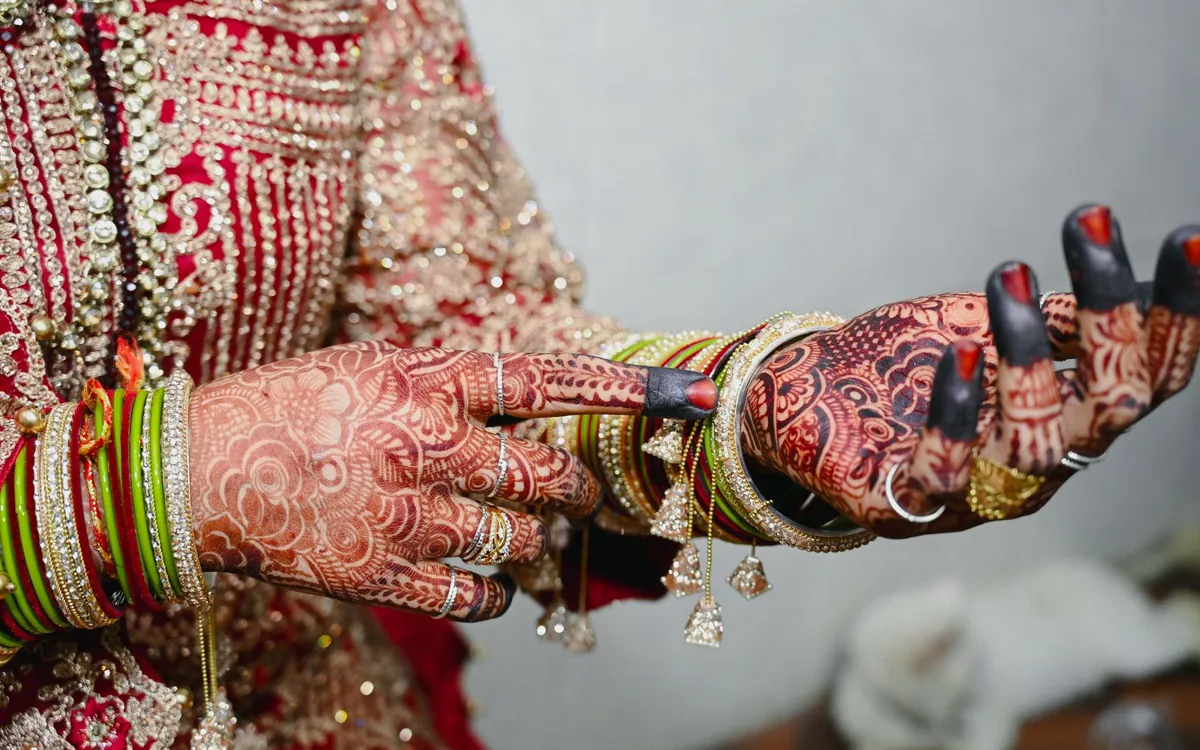
Clothes checklist
Start with clothes, because they usually take up the biggest share of the budget.
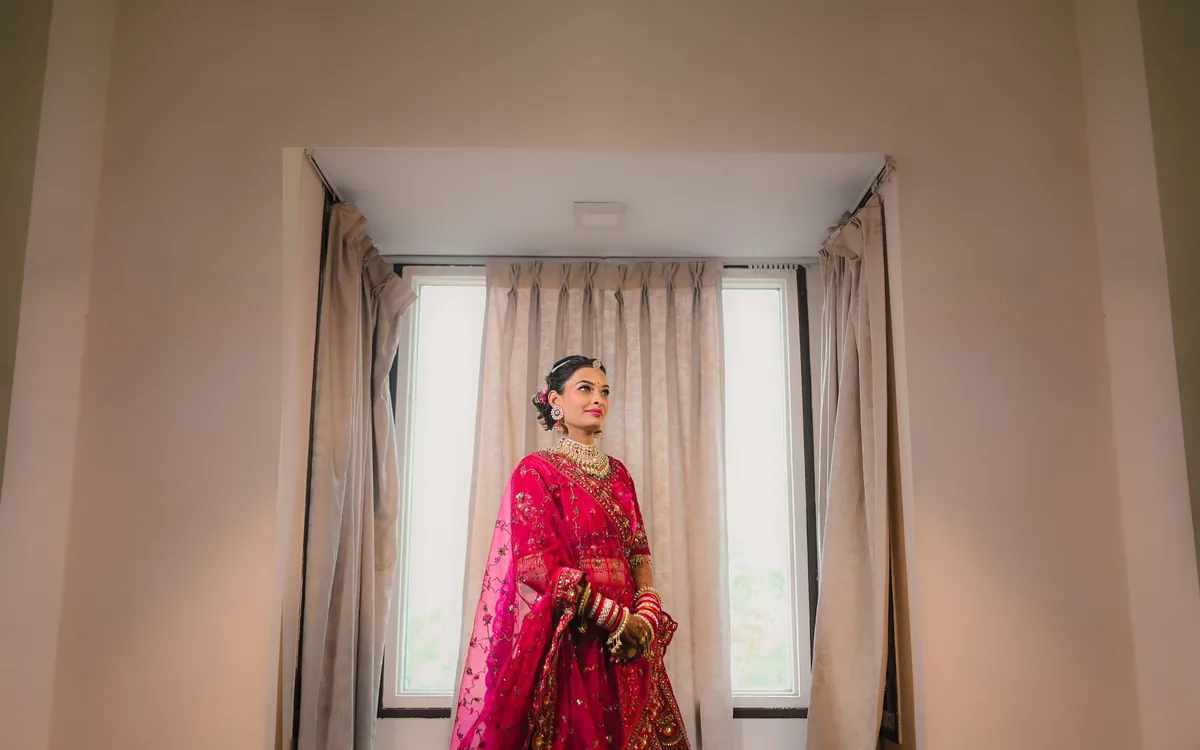
Wedding and function outfits
- Outfits for each wedding function: haldi, mehndi, sangeet, wedding, and reception. Our sangeet and mehndi night guide can help you plan the looks.
- An outfit for the griha pravesh and the first days at the sasural. Our guide to griha pravesh explains this welcome ritual.
- Two or three outfits for the pag phera visit and post-wedding dinners with relatives.
Festival and occasion wear
- Sarees or suits for the first festivals, such as Karwa Chauth, Diwali, Holi and Teej, depending on your family's customs.
- One or two heavier outfits for weddings and family functions in the first year.
- A few lighter silk or cotton silk sarees for pujas and visiting relatives.
Everyday wear
- Comfortable suits, kurtas or sarees for home, matched to the sasural's dress customs.
- Workwear if the bride is working.
- Nightwear, loungewear and a couple of warm shawls or sweaters for winter.
- Casual clothes for the honeymoon or travel.
A useful rule: buy fewer heavy outfits and more good-quality everyday clothes. Heavy lehengas are rarely worn more than twice, while daily wear gets used every day.
Jewellery checklist
Jewellery is often given by both families, so coordinate to avoid duplicates.
- Bridal set for the wedding day, often given by the bride's family.
- Mangalsutra, usually given by the groom's family. It is one of the most meaningful pieces she will wear.
- Bangles and chooda, depending on family custom.
- Light daily jewellery such as small earrings, a thin chain and simple bangles.
- Bichhiya (toe rings) and payal (anklets), common in many North Indian families.
- Artificial jewellery for functions, which saves wear and worry on gold pieces.
Store gold and diamond pieces in a bank locker or a safe at home, and keep bills and certificates in one folder.
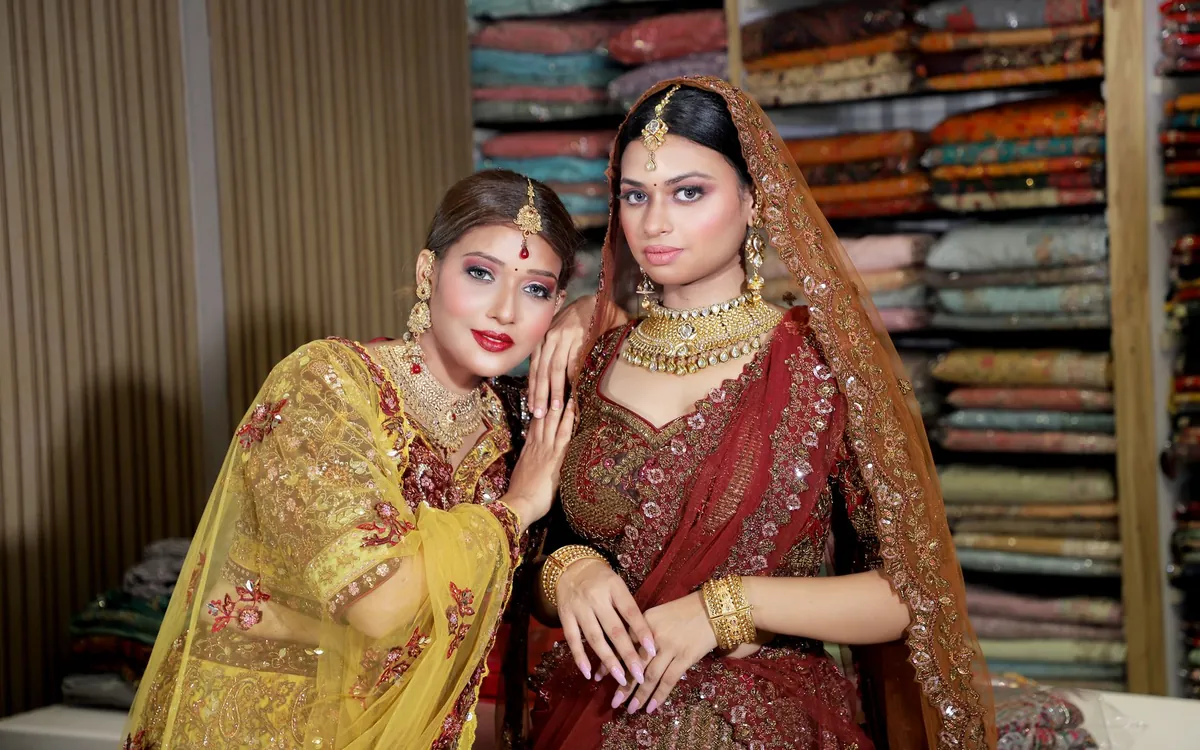
Beauty, personal care and essentials
These small items are easy to forget and are what a bride reaches for most in the first weeks.
- Skincare and haircare she already uses, so she is not trying new products on the wedding day
- Makeup basics and a small touch-up kit
- Sindoor, bindis, kajal and mehndi cones
- Perfume or attar
- Personal medicines, a basic first-aid pouch, and any prescriptions
- Sanitary products and personal hygiene items
- A small sewing kit, safety pins and spare blouse hooks
Documents and personal items
- Copies of ID proofs, educational certificates, and any documents needed for marriage registration
- A few photographs of her own family for her new room
- Her favourite books, a diary, or anything that makes a new home feel familiar
Household items
Some families include bedsheets, towels, and a few kitchen items. Discuss this with the groom's family first, since many homes already have everything they need. If they do not need anything, there is no reason to buy it.
Budget and planning tips
- Set a budget early. Decide on a total and divide it between clothes, jewellery and essentials. Our wedding budget planning guide helps families plan the whole wedding sensibly.
- Start shopping three to four months ahead. Tailoring, fall-pico and blouse stitching take time, especially during the wedding season.
- Shop with a list. It is easy to buy a fifth red saree when you actually need cotton kurtas.
- Mix markets. Chandni Chowk in Delhi, local saree stores and online shops all have good options at different prices. Compare before buying anything expensive.
- Let the bride choose. She will be wearing these clothes, not her relatives.
- Remember it is not a show. A trousseau is not for display or comparison, and it is never something the groom's family should demand.
Cash and gifts received at the wedding can also fill gaps later. Our guide to shagun and wedding gifts explains the custom.
Planning a trousseau starts with a match
Every bride's checklist begins with finding the right partner. If your family is still looking, Goswami Matrimony brings together families from the Goswami and Dashnami community. Browse brides and grooms, or register a profile to begin your search with confidence.
Frequently asked questions
What should be included in a bridal trousseau?
A trousseau usually includes outfits for wedding functions and festivals, everyday clothes, jewellery, toiletries, makeup, personal medicines and important documents. The exact list depends on the bride's lifestyle, her new home and family customs.
How many outfits does an Indian bride need in her trousseau?
There is no fixed number. Most brides need one outfit for each wedding function, a few for festivals and family visits in the first year, and plenty of comfortable everyday wear. Buying fewer heavy outfits is usually more sensible.
When should we start shopping for the trousseau?
Ideally three to four months before the wedding. This leaves enough time for tailoring, blouse stitching and alterations, which can take longer during the busy wedding season.
Is the trousseau the same as dowry?
No. The trousseau consists of the bride's own clothes and belongings for her new life. Dowry is a demand made on the bride's family, which is illegal in India and should never be part of a marriage.
How can we keep the trousseau budget under control?
Set a total budget first, divide it by category, and shop with a written list. Focus on good everyday clothes and a few versatile festive outfits instead of many heavy pieces that will rarely be worn.