Griha Pravesh, in a wedding, is the ritual welcome of the new bride into her husband's home, usually right after the vidaai. The groom's mother or senior women perform an aarti at the door, the bride gently tips over a kalash filled with rice with her right foot, and she steps in, often leaving red footprints behind her.
The bridal welcome is a short ceremony, but it marks the moment she becomes part of a new household. The same words, Griha Pravesh, also describe a housewarming puja for a new home; this article is about the bridal welcome, sometimes called grih pravesh or bahu ka swagat.
The meaning behind the ritual
In Hindu tradition, the new bride is welcomed as a form of Lakshmi, the goddess of prosperity and good fortune. The rituals at the threshold express that idea in simple, visual ways:
- The rice kalash stands for abundance. When the bride tips it over and the grain spills into the house, it symbolises plenty entering the home with her.
- The aarti welcomes her and is traditionally believed to ward off any evil eye after the long day.
- The red footprints mark the arrival of good fortune, step by step, into the household.
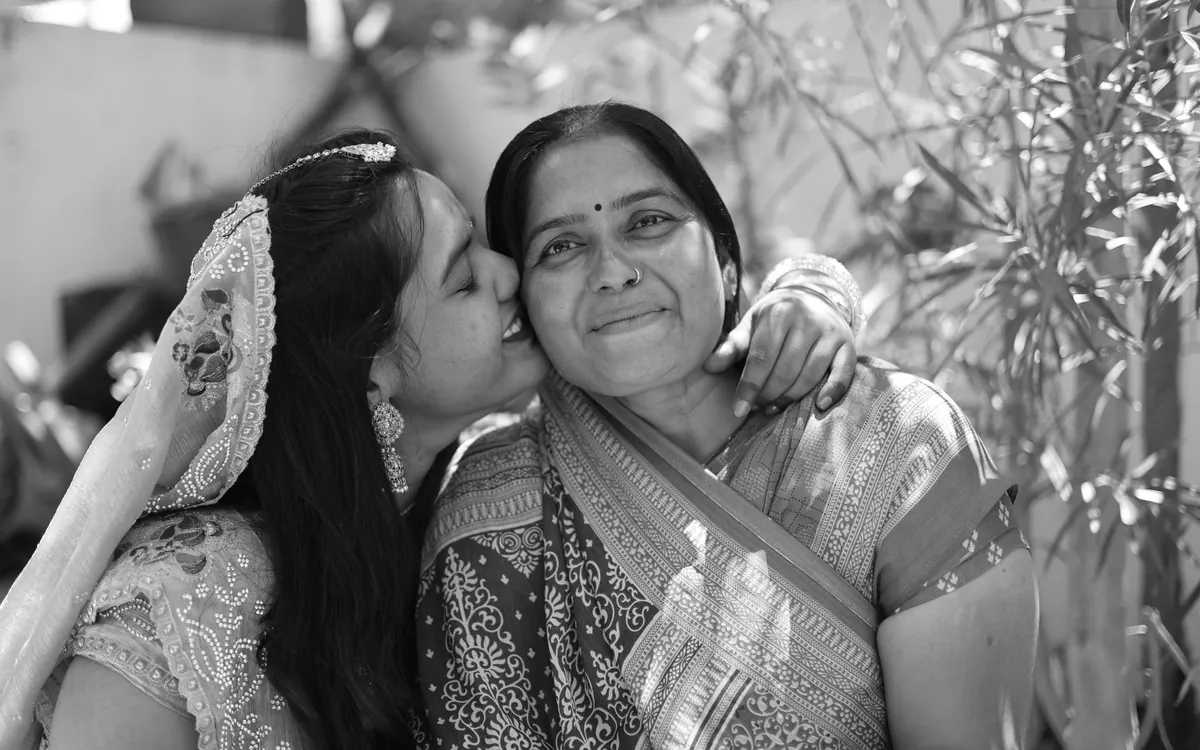
For the bride, it is also an emotional moment. She has just said goodbye to her parents at the vidaai, and the warmth of this welcome sets the tone for her first days in the new home.
How Griha Pravesh is performed
Customs vary by region, community and family, so treat this as a common pattern rather than a fixed rulebook. In Goswami families, as in many others, the details often follow the region you live in, whether that is Rajasthan, Uttar Pradesh, Madhya Pradesh, Gujarat or elsewhere. Our guide to Goswami wedding rituals covers the ceremonies leading up to this point.
- Arrival at the door. The couple arrives together and waits at the threshold. The entrance is usually decorated with a toran, rangoli and flowers.
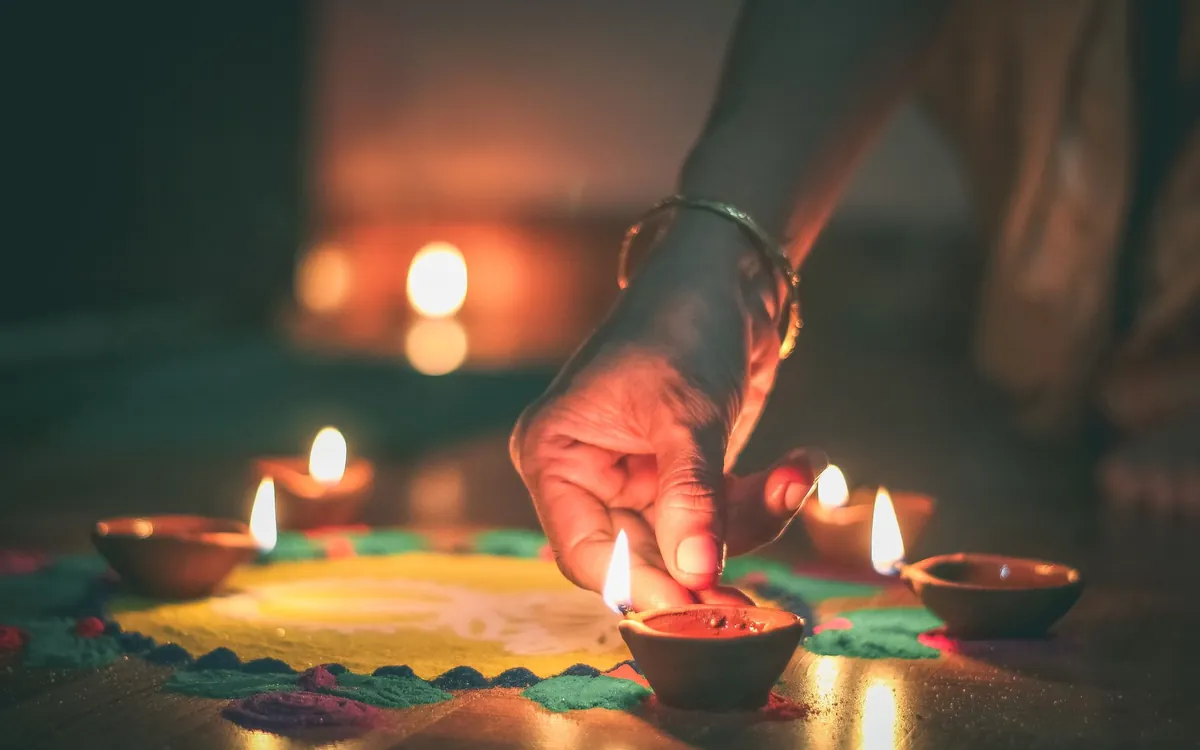
- Aarti. The mother-in-law, or another senior married woman, performs aarti with a thali holding a diya, kumkum, rice and sweets. She may apply a tilak to the couple.
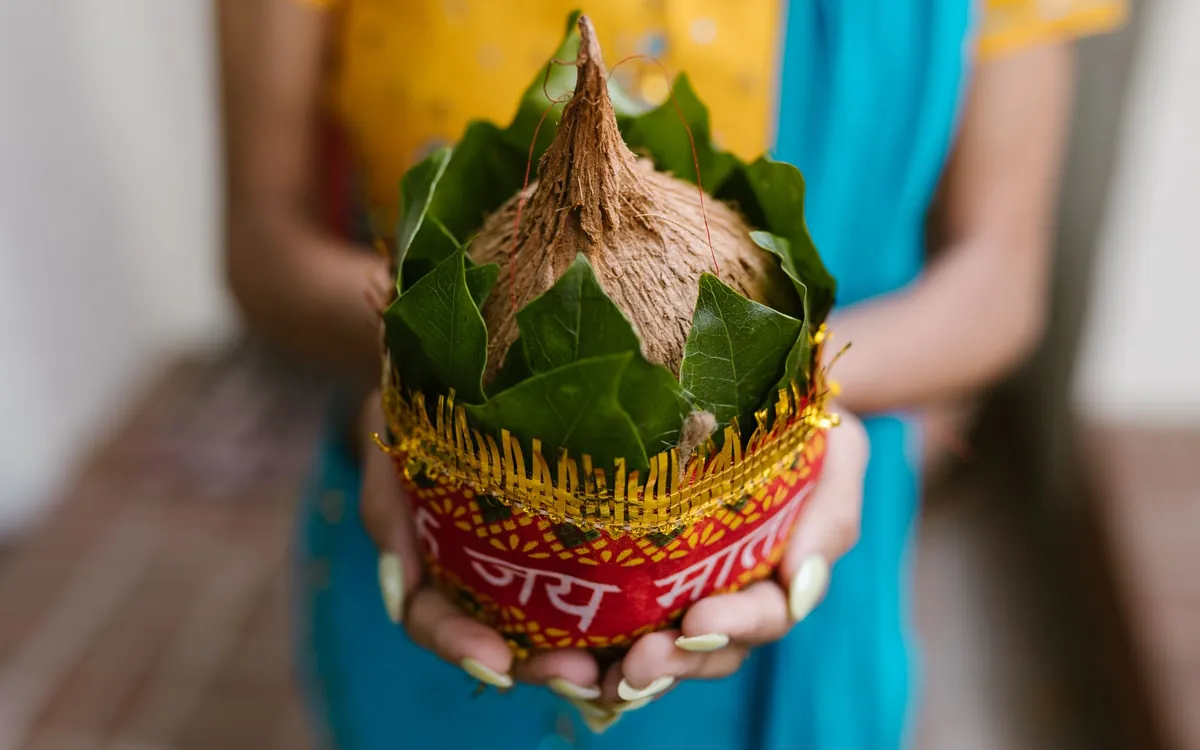
- The kalash. A small kalash or lota filled with rice is placed at the threshold. The bride gently tips it over with her right foot so the rice spills inward.
- The footprints. A plate of water mixed with kumkum or alta is placed just inside. The bride steps into it and walks in, leaving red footprints on a white cloth or the floor.
- Entering and worship. The bride enters with her right foot first. Many families then take her to the home mandir for a short prayer to the kuldevta or family deity.
Regional touches
- In many North Indian homes, the groom's sisters playfully block the door in a custom often called dwar rukai, and the groom pays a small neg before they let the couple in.
- In Bengali homes, the bride may step into a plate of alta and milk, and the welcome is called bou boron.
- In Maharashtrian homes, the bride often says her husband's name in a short rhyme, called an ukhana, when asked.
Ask the elders in your family which customs they follow. Older aunts usually remember details nobody wrote down.
Games and customs after the entry
Once the formal part is over, most families move to light-hearted games that help the bride and groom relax and meet relatives in a fun way.
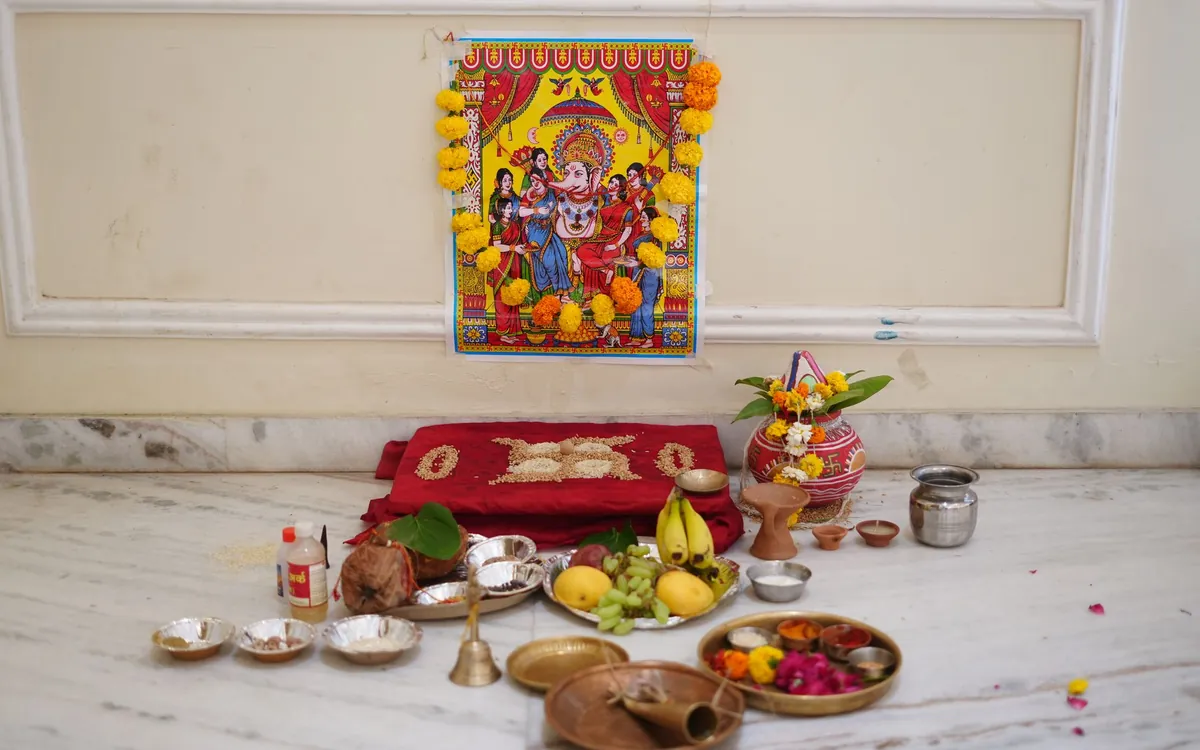
- Finding the ring. A ring or coin is dropped into a bowl of milk, water, flowers and kumkum, and the couple search for it. Whoever finds it more times is jokingly said to rule the house.
- Untying the kangana. The bride and groom each try to untie the thread tied on the other's wrist during the wedding, often with relatives cheering on both sides.
- Muh dikhai. Women of the family come to see the new bride's face and give her gifts or shagun, usually money, jewellery or a saree.
- Name and introductions. Elder relatives introduce themselves and their relationship, which helps the bride place faces to names.
These games are meant to break the ice, not to embarrass anyone. Keep the teasing gentle, especially if the bride is shy or exhausted.
Practical tips for the groom's family
The day of Griha Pravesh is usually the end of a very long wedding. A few thoughtful touches go a long way:
- Keep the ritual short. The bride has likely been awake since before dawn. Twenty to thirty minutes of rituals is plenty.
- Have a quiet room ready. Give her a clean room with a fan or AC, water, light snacks and a place to change out of heavy clothes.
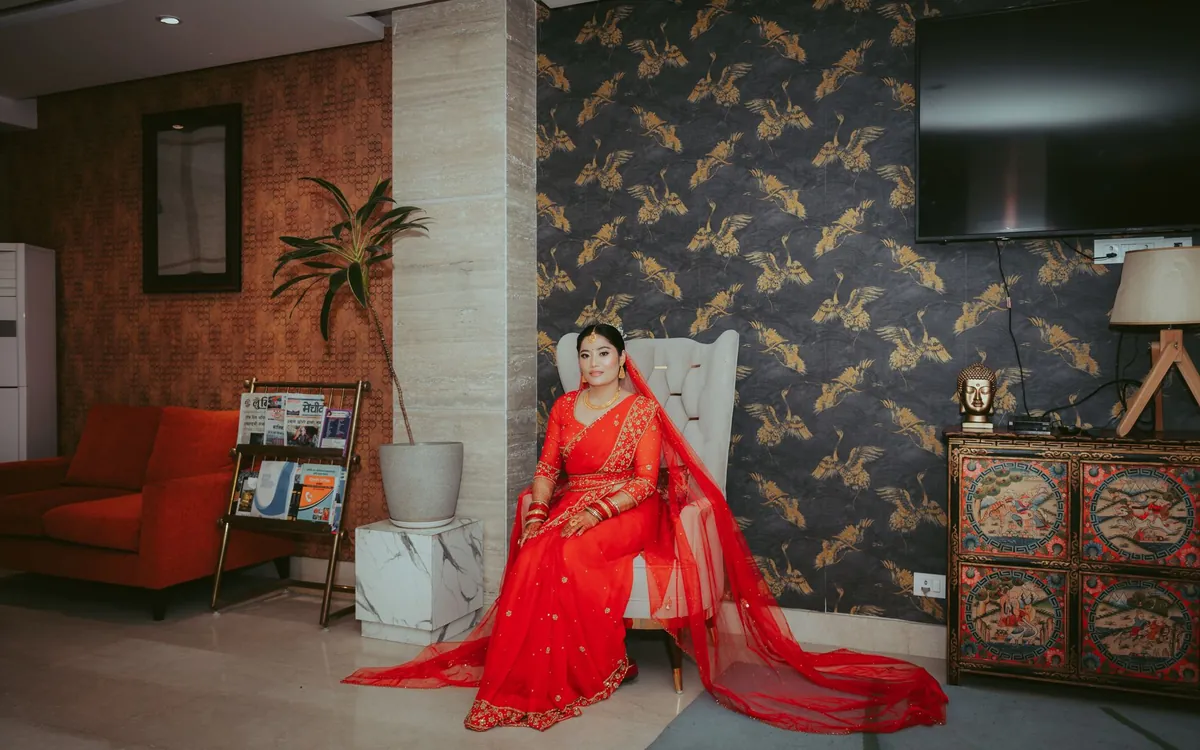
- Help with the lehenga and jewellery. A sister-in-law or cousin who helps her change and freshen up is often remembered fondly for years.
- Explain the customs as you go. If the bride comes from a different region or family tradition, tell her what each step means so she does not feel lost.
- Mind safety. Keep the diya flame away from dupattas and veils, and wipe the floor after the kumkum water so no one slips.
Tips for the bride
- Ask your mother-in-law beforehand about any specific customs so nothing surprises you.
- Wear footwear that is easy to slip off. You will step out of it at the threshold.
- Say what you need. If you are tired, hungry or unwell, tell your husband or a sister-in-law. Families would rather know.
- Take the teasing lightly. The games are meant as affection, and joining in helps everyone warm up.
The first weeks bring many adjustments. Our guides on building a good relationship with your in-laws and adjusting to married life are useful next reads.
A welcome to remember
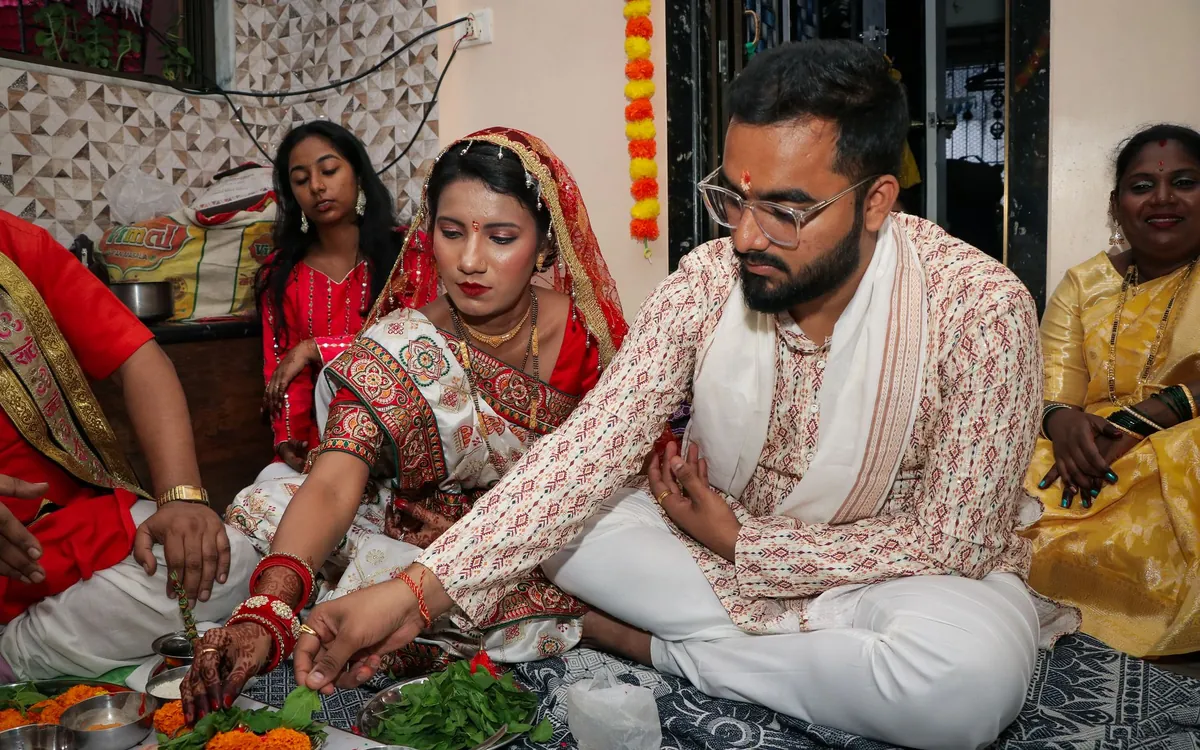
Griha Pravesh is one of the smallest ceremonies of a Hindu wedding, yet it is the one many brides remember most clearly, because it is the first moment in their new home. A warm, simple, unhurried welcome says more than any elaborate display.
If your family is still searching for that right match, Goswami Matrimony can help. Browse brides and grooms from Goswami and Dashnami families, or register your profile to begin.
Frequently asked questions
What is Griha Pravesh after marriage?
It is the ritual welcome of the new bride into her husband's home after the wedding and vidaai. The mother-in-law performs aarti, the bride tips over a kalash of rice with her right foot, and she enters the house, often leaving red footprints behind her.
Why does the bride kick the rice kalash?
The rice symbolises abundance and prosperity. When the bride gently tips the kalash so the grain spills into the house, it represents good fortune entering the home with her, in keeping with the idea of the bride as a form of Lakshmi.
Who performs the aarti at Griha Pravesh?
Usually the groom's mother performs the aarti. If she is not present, another senior married woman of the family, such as an aunt or elder sister-in-law, may do it. Customs vary by family, so ask the elders.
Is Griha Pravesh done on the same day as the wedding?
In most families, yes. It happens when the bride first arrives at her husband's home after the vidaai. If the couple travels a long distance, some families do it on arrival or at an auspicious time suggested by their pandit.
Is the bride's Griha Pravesh the same as a housewarming Griha Pravesh?
No. Both share the name, but the housewarming Griha Pravesh is a puja performed before living in a new house. The bridal Griha Pravesh is a wedding custom welcoming the new daughter-in-law into the family home.