
The first phone call with a prospective match should be short, relaxed and simple: 20 to 30 minutes, at a time agreed in advance, with the aim of getting a feel for each other rather than settling big questions. Introduce yourself warmly, ask open questions about daily life, work and family, listen more than you talk, and end on a clear, friendly note about next steps. Keep money, very personal topics and any pressure out of it.
After families have exchanged biodata and agreed to let the two of you talk, this first call often feels more nerve-racking than the meeting itself. These tips will help you make a good start.
Before the call: a little preparation
A few minutes of preparation makes the call feel much easier.
- Agree on a time through the families or by a short message. Weekend mornings or early evenings usually work well. Avoid calling late at night for a first conversation.
- Read their profile again. Note their work, city, hobbies and anything you would like to know more about.
- Pick a quiet place with a good network. Background noise and dropped calls make an awkward call worse.
- Decide on a voice call or video call in advance. Many families prefer a voice call first and a video call later. Either is fine if both agree.
- Keep two or three questions ready, so you do not freeze if there is a pause.
How to start the conversation
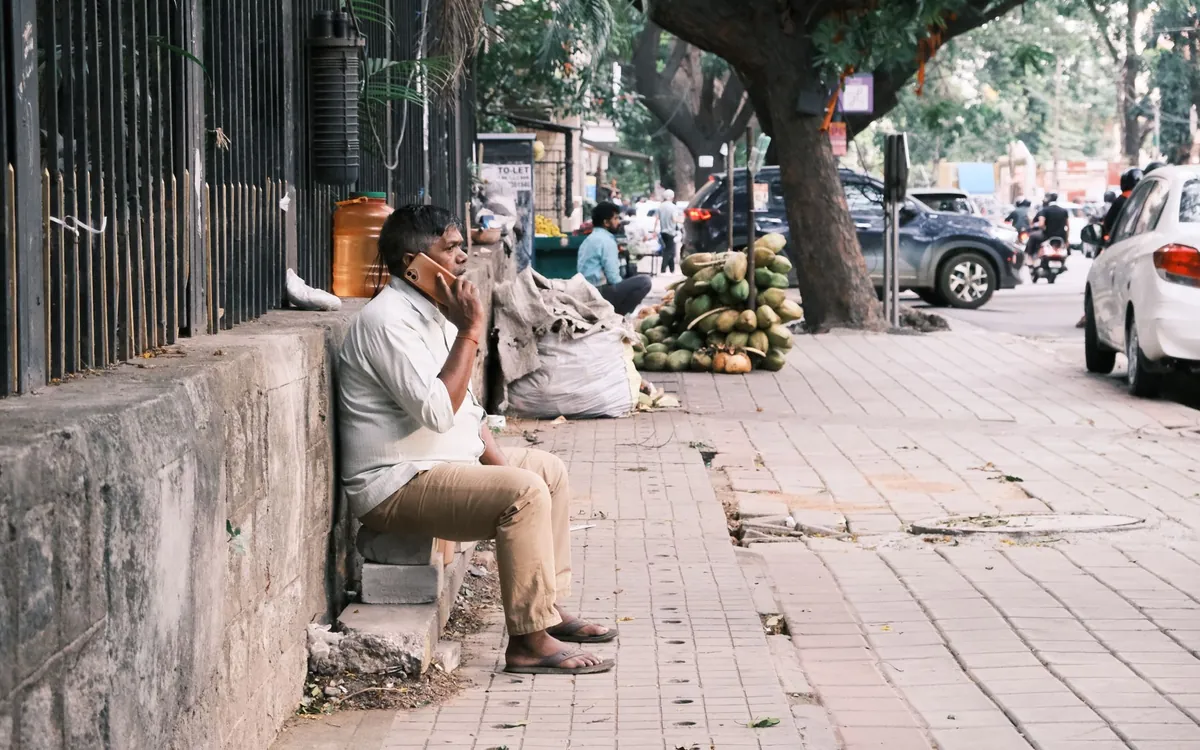
Begin simply and warmly. Something like, "Hello, this is Priya. Thank you for making time today. How has your week been?" is perfect. There is no need for a prepared speech.
It is natural to acknowledge the slight awkwardness. A light line such as "I think we are both a little nervous, which is probably a good sign" often relaxes both sides.
Let the first few minutes be about easy topics: the day, the weather in their city, work that week, or a festival that is coming up.
Good questions for a first call
The first call is about getting a feel for each other, not an interview. Choose open questions that invite a story rather than a yes or no.
About daily life and work
- What does a normal weekday look like for you?
- What do you enjoy most about your work?
- How do you like to spend a free Sunday?
About family
- Tell me a little about your family. Who are you closest to?
- How does your family usually celebrate festivals?
About interests and outlook
- What is something you have enjoyed learning recently?
- Is there a place you would love to travel to?
- What made you decide you were ready to think about marriage now?
Save the deeper topics for later conversations. Our list of questions to ask before an arranged marriage covers careers, finances, living arrangements and expectations, which are better discussed once you both feel comfortable.
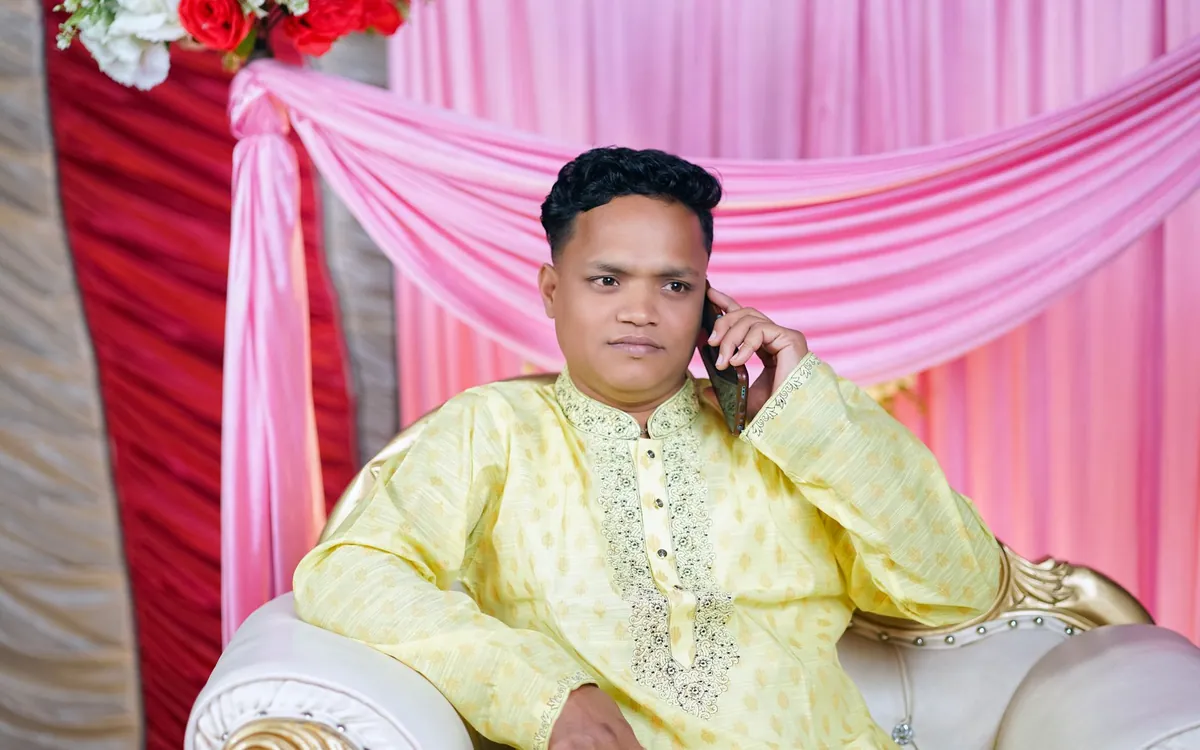
Etiquette: what to do and what to avoid
Do:
- Listen properly and ask follow-up questions. Interest is the most attractive thing you can show.
- Be yourself. Pretending to be more outgoing, religious or modern than you are only creates problems later.
- Keep a balance, so both of you speak roughly equally.
- Respect the time you agreed. Ending on time, while the talk is still pleasant, leaves a good impression.
Avoid:
- Asking about salary, property or dowry. These are not first-call topics, and dowry should not be a topic at all.
- Talking at length about past relationships.
- Criticising your own family or theirs.
- Pressing for an answer about marriage.
- Scrolling or chatting with others during the call. It shows.
Safety on the first call
Most families on a community platform are genuine, but it is sensible to follow a few rules.
- Do not share your home address, bank details, Aadhaar, PAN or any OTP.
- If the other person asks for money, for any reason, end the conversation and inform your family.
- Keep video calls simple and respectful. Never share private photos with someone you have not met.
- If something feels off, trust that feeling and talk to your parents before the next call.
Our guide on spotting matrimony scams explains the most common warning signs.

Ending the call and what comes next
End warmly and clearly. For example: "I really enjoyed talking to you. Shall we speak again later this week?" If you are not sure yet, it is fine to say, "Thank you, it was lovely to talk. I will speak to my family and we will be in touch."
Afterwards, share your honest impression with your parents. One call is rarely enough to decide. Most couples need a few conversations and at least one meeting in person, ideally with families around, before they know whether to go ahead.
If you have not started searching yet, register on Goswami Matrimony and browse brides and grooms from Goswami and Dashnami families.
Frequently asked questions
How long should the first phone call with a prospective match be?
Around 20 to 30 minutes is ideal. It is long enough to get a feel for each other and short enough to end while the conversation is still pleasant. You can always speak again.
Should the first call be a voice call or a video call?
Either is fine if both of you agree. Many families prefer a voice call first because it feels less pressured, followed by a video call once both people are comfortable.
What should I not ask on the first call?
Avoid questions about salary, property, dowry and past relationships, and do not press for a decision about marriage. These topics can make the other person uncomfortable and are better handled later, or not at all in the case of dowry.
Who should call first, the boy or the girl?
There is no fixed rule. Usually the families agree on a time and either person can make the call. What matters more is that the time is convenient for both.
How many calls before meeting in person?
There is no set number, but most couples talk two to four times before meeting. Meeting in person, with families nearby, is important before making any decision.