A Hindu wedding invitation traditionally opens with an invocation to Lord Ganesha, names the hosts who are inviting, introduces the bride and groom with respectful prefixes, and gives the date, muhurat, venue and function schedule. The wording can be formal Hindi, English or a mix, but it should be warm, clear and free of errors. Good etiquette then covers whom you invite, how early you send it, and how you follow up, whether by printed card or WhatsApp.
This guide gives you a simple structure, sample wordings you can adapt, and practical etiquette for both printed and digital invitations.
The basic structure of a Hindu wedding card
Most traditional cards follow the same order, top to bottom:
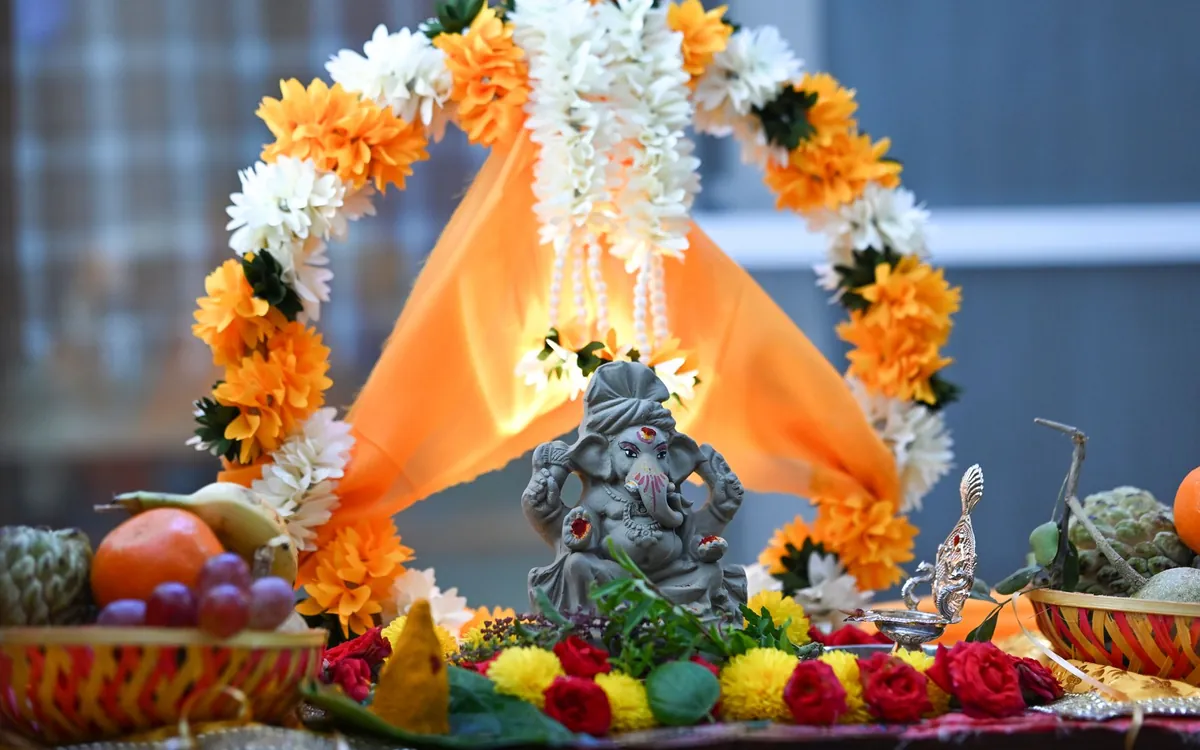
- Invocation: "Shri Ganeshaya Namah" or a short Ganesh shloka such as Vakratunda Mahakaya, sometimes with the image of the family deity.
- Hosts: the names of the people inviting, usually the parents, and in many joint families the grandparents.
- The invitation line: a request for the guest's presence and blessings.
- Bride and groom: names with prefixes, plus their parents' names and often the city or native place.
- Date and muhurat: the day, date and auspicious time of the main ceremony. If you are still fixing it, our guide on choosing a shubh muhurat explains how families decide.
- Venue: full address with a landmark, plus a map link for digital cards.
- Function schedule: haldi, mehndi, sangeet, baraat, pheras, reception, with dates and times.
- RSVP and contact: one or two family members' phone numbers.
- Closing line: often a line from the children, such as "Mere chacha ki shaadi mein zaroor aana", or a formal "With best compliments from".
Traditional salutations and prefixes
These prefixes give a card its respectful, traditional tone:
- Shri / Shriman: for men, including the father and the groom.
- Shrimati: for married women, including the mother.
- Chi. (Chiranjeevi): used before the groom's name, a blessing for a long life.
- Sau. Kan. or Saubhagyakankshini: used before the bride's name, wishing her good fortune in married life.
- Swargiya or Late: used respectfully before a deceased elder whose blessings are sought, if the family wishes to include them.
Some families also add the gotra or the native village, which is common in many Goswami and Dashnami households. If you are unsure of your gotra, our Goswami and Dashnami gotra list can help.
Sample invitation wordings
Adapt these to your family's style. Replace names, dates and places, and check every spelling twice.
Traditional Hindi-style (in English letters)
Shri Ganeshaya Namah
Shrimati Sunita and Shri Rajesh Giri
request the honour of your gracious presence with family
on the auspicious occasion of the marriage of their sonChi. Aditya
with
Sau. Kan. Priya
daughter of Shrimati Meena and Shri Anil Purion Sunday, at 8:00 pm muhurat
Venue: Shree Ram Vatika, Jaipur
Formal English
With the blessings of the Almighty and our elders,
Mrs. Kavita and Mr. Suresh Bharti
cordially invite you to grace the wedding of their daughter
Neha
with
Rohan
son of Mrs. Asha and Mr. Mahesh Saraswati
Your presence and blessings will make the day complete.
Short and modern
Two families, one celebration. Join us as Ananya and Kunal begin their married life together. Your blessings mean the world to us.
Keep wording respectful even in modern cards. Elders will often read it aloud to others, and a card that feels too casual can cause quiet complaints among relatives.
Whom to invite, and how
The guest list is where most family disagreements begin. A few principles help:
- Agree on numbers early. Fix the approximate count with your caterer and venue in mind. Our guide to wedding budget planning shows how quickly per-plate costs add up.
- Split the list fairly. Each side, and within that each parent, usually gets a share. Write the list in a shared sheet so nobody is forgotten.
- Invite elders personally. Close relatives and senior members of the community still expect the card to be delivered by hand, often with mithai or a small gift, and an in-person request. A WhatsApp message alone can be taken as an insult.
- Be clear about which functions each guest is invited to. If some guests are invited only to the reception, print separate inserts or send separate digital cards rather than leaving it vague.
- Mention "with family" carefully. If you can only host the couple, address the card to them by name. If you include children, say so.
- Invite the family deity first. Many households place the first card at the temple or before the kuldevta, asking for blessings before anyone else is invited.
Digital invitations, timing and final checks
E-invites and video cards are now normal, especially for friends, colleagues and relatives living abroad. They save money and paper, and they are easy to update. A few courtesies keep them graceful:
- Send them personally, one chat at a time, with a short personal message rather than a forward to a large group.
- Follow up with a phone call to elders and close relatives, even if you have sent a digital card.
- Include a Google Maps pin and parking details.
- Keep the file size small so it opens on older phones.
- Share a simple RSVP method, such as replying to one family member.
For a destination or out-of-town wedding, send a save-the-date well before the formal card so guests can book trains and flights.
When to send, and what to double-check
Send printed cards roughly four to six weeks before the wedding, and earlier for outstation guests. Before printing, check names, spellings, dates, day of the week, the muhurat time and the venue address with at least two family members. Errors on a printed card are expensive to fix.
Your invitation starts with the right match
Every beautiful card begins with two families coming together. If you are still looking, browse brides and grooms from Goswami and Dashnami families on Goswami Matrimony, or register your profile and start the conversations that lead to your own wedding card.
Frequently asked questions
What is written at the top of a Hindu wedding card?
Most cards begin with an invocation to Lord Ganesha, such as "Shri Ganeshaya Namah" or a short Ganesh shloka. Some families also add the name or image of their family deity.
What do Chi. and Sau. Kan. mean on a wedding card?
Chi. stands for Chiranjeevi, a blessing for long life used before the groom's name. Sau. Kan. stands for Saubhagyakankshini, used before the bride's name to wish her good fortune in married life.
How early should we send wedding invitations?
Printed cards are usually sent four to six weeks before the wedding. For outstation or overseas guests, send a save-the-date earlier so they can plan travel.
Is it acceptable to send wedding invitations only on WhatsApp?
For friends and colleagues, a digital invitation is widely accepted. For elders and close relatives, it is still considered respectful to deliver a card personally or at least follow up with a phone call.
Who should be named as hosts on the card?
Usually the parents of the bride or groom are named as hosts. In joint families, grandparents are often named first as a mark of respect, and some couples hosting their own wedding name themselves.