Families usually finalise a match in stages: an initial exchange of biodata, phone calls and a first meeting, a visit to each other's homes, honest discussions about expectations, and finally a formal "haan" sealed with blessings, often followed by a roka or sagai. There is no fixed timetable, but the families who handle it best move step by step, keep the young couple at the centre and talk openly rather than through hints.
This guide walks through each stage and the etiquette that keeps everyone comfortable.
Stage 1: The first exchange
It usually begins with a biodata or a profile, shared through a relative, a community WhatsApp group or a matrimony site. Both families look at education, work, family background, gotra and, for many, the kundli.
Etiquette at this stage is simple:
- Respond within a reasonable time. A few days to a week is fine. Leaving a family waiting for weeks without a reply feels disrespectful.
- Be honest in your own biodata. Exaggerated salaries or hidden details always come out later.
- Check the basics before going further. Gotra rules, broad expectations and whether kundli matching matters to both sides. Our checklist of things to check before fixing a rishta covers this.
Stage 2: Calls and the first meeting
If both sides are interested, the parents usually speak first, then the young man and woman talk on the phone or a video call. After a few conversations, a first meeting is arranged, often at one family's home, a restaurant or a temple.
Give the two people time to speak alone, even if only for half an hour in the next room or a walk nearby. Keep the first meeting relaxed: a familiar venue, a small group and light conversation work best.
Stage 3: Visiting each other's homes
Once the first meeting goes well, families often visit each other's homes. This step matters more than it seems.
- For the boy's family visiting the girl's home, it is a chance to see the family's warmth and way of living.
- For the girl's family visiting the boy's home, it is a chance to see where their daughter will live, meet the extended family and understand the household routine.
Arrive on time, bring a small box of sweets or fruit, and avoid inspecting the home like a property buyer. Questions about the house, the family business or living arrangements are fair, but ask them warmly.
Stage 4: The honest conversations
This is where many matches either become strong or quietly fall apart, and it is better to have these conversations now than discover differences after the engagement.
Topics families should discuss openly
- Living arrangements. Joint family, nuclear family, or a flat close to the parents? Which city?
- Work after marriage. Will the bride continue her job? Is either partner open to relocating?
- Wedding scale and budget. Who pays for what, how many guests, simple or grand.
- Customs and rituals. Any special family traditions, food habits or religious practices.
- Responsibilities. Care of elderly parents, younger siblings' education, family business commitments.
The young couple should also discuss these between themselves, not only through parents.
A word on "lena-dena"
Some families still bring up dowry indirectly, through phrases like "whatever you wish to give your daughter" or lists of expected gifts. Giving or demanding dowry is illegal in India under the Dowry Prohibition Act, 1961, and it puts unfair pressure on the bride's family. If a family makes demands, treat it as a serious warning sign about how your daughter or son will be treated later. Our article on dowry-free marriage explains why more Goswami and Dashnami families are choosing simple weddings.
Negotiation, where it happens, should be about practical matters such as dates, venues and the guest list, and should be done respectfully, with both sides willing to adjust.
Stage 5: Checking and confirming
Before saying a final yes, sensible families quietly verify what they have been told. This is not about suspicion, it is about care.
- Confirm employment and education where possible.
- Speak to mutual relatives or community members who know the family.
- For profiles met online, be especially careful and never send money to anyone before meeting the family.
Our guide on how to verify a prospective match's background explains how to do this politely.
Stage 6: Saying "haan" and seeking blessings
When both families and, most importantly, both young people are happy, the decision is made. How this is done varies, but some common customs are:
- The phone call or visit. One family, often the boy's side, formally conveys their acceptance. Many families prefer to do this in person.
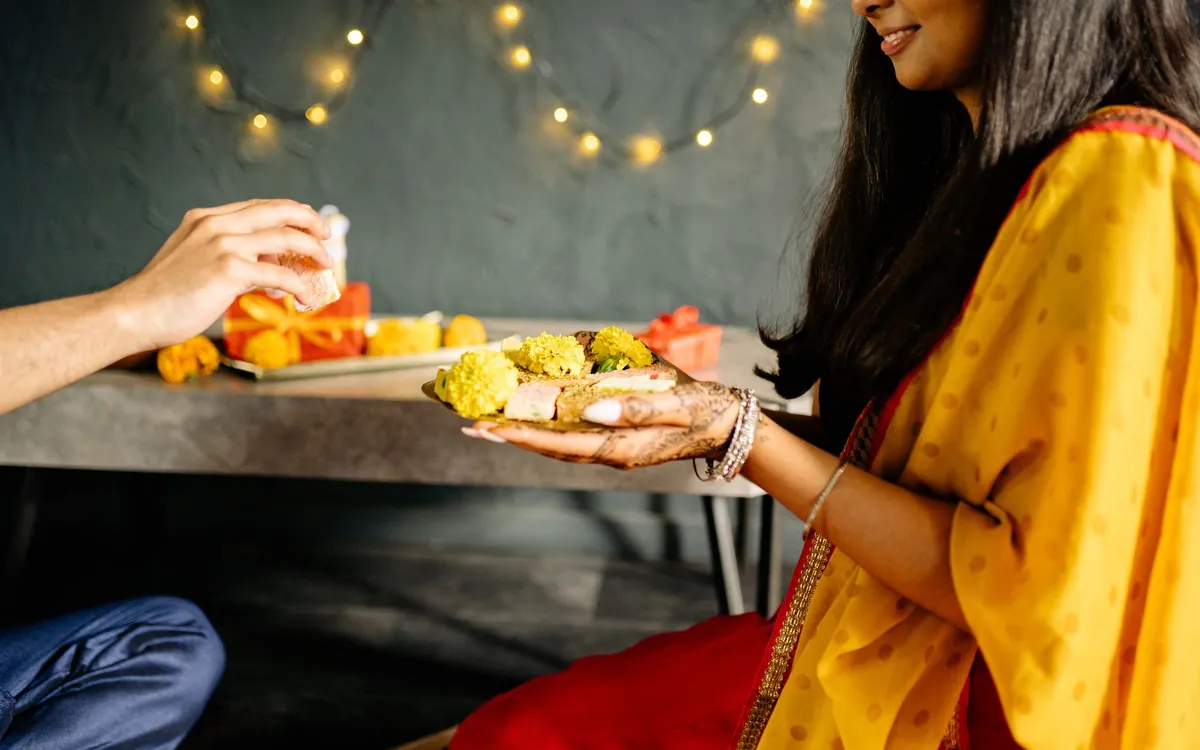
- Mooh meetha. Sweets are exchanged and both families share the news with close relatives.
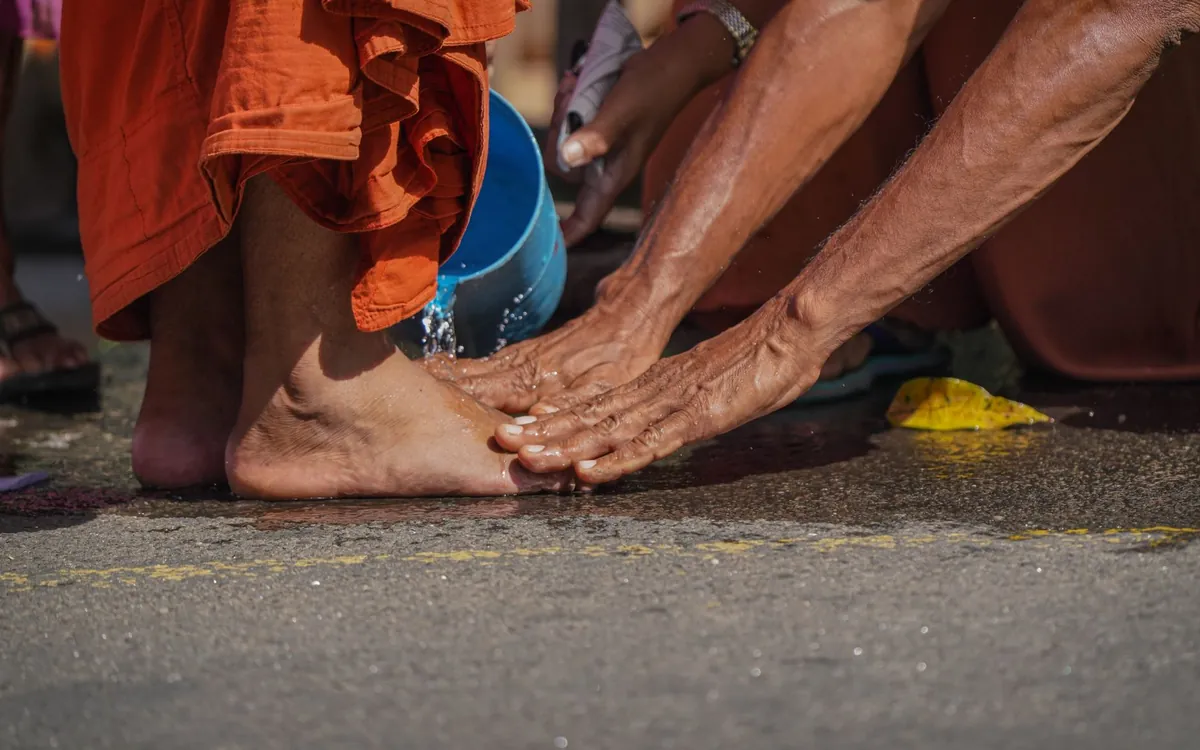
- Seeking blessings. The couple touch the feet of grandparents and elders, and a visit to the family temple or kuldevta is common in many Goswami homes.
- Fixing the next step. A date is chosen with the pandit ji for the roka, sagai or engagement.
The roka is often the first formal ceremony after the decision. Our explainer on the roka ceremony describes what happens.
Before saying yes, ask the couple directly
Parents, ask your son or daughter privately: Are you sure? Is anything bothering you? Many young people feel they cannot back out once the family seems happy. A quiet, honest question at this point prevents a lot of unhappiness later.
If the answer is no
Not every match is finalised, and that is normal. If either side decides not to proceed, say so clearly, kindly and without blaming anyone. A simple message such as "We enjoyed meeting your family, but we feel this may not be the right match" is enough. Communities are close-knit, and a respectful no keeps relationships intact.
Whether you are just starting or ready to meet families, Goswami Matrimony helps you find profiles from within the community. Browse brides or grooms, or register your profile to begin.
Frequently asked questions
How long does it take to finalise an arranged marriage match?
It varies widely. Some families decide within a few weeks, while others take several months of calls, meetings and visits. Taking enough time for the couple to get to know each other is wiser than rushing.
Who usually says yes first, the boy's or the girl's family?
Traditionally, the boy's family often conveys acceptance first, but there is no strict rule. Many families today simply share their decision when both sides and the couple are ready.
What should be discussed before finalising a rishta?
Families should discuss living arrangements, the city where the couple will live, work after marriage, wedding budget and scale, family customs and responsibilities such as caring for elderly parents. The couple should also discuss these privately.
Is it rude to ask for time before deciding?
No. Asking for a few days or weeks to think is reasonable and respectful. It is better to communicate the timeline clearly than to leave the other family without a response.
What happens after families agree to a match?
Families usually exchange sweets, inform close relatives and seek blessings from elders. A date is then fixed, often with a pandit, for the roka or engagement ceremony.