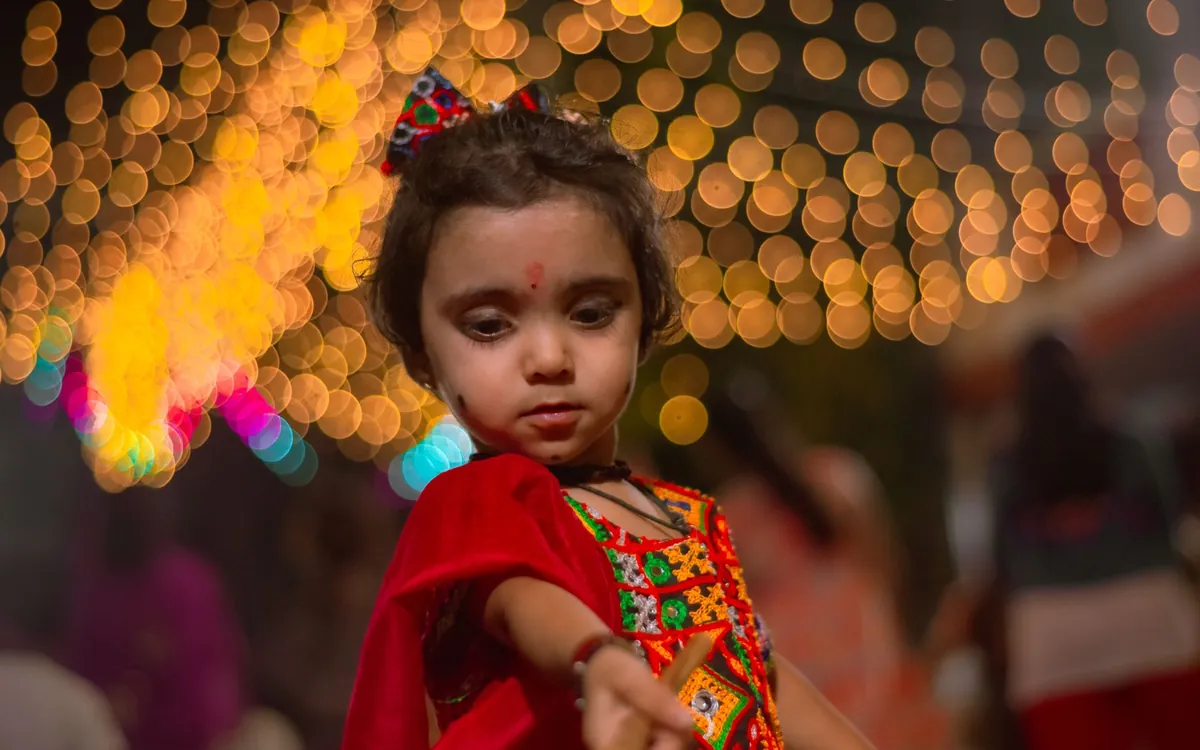
Navratri and Dussehra mark the start of the rishta season for many Hindu families. Relatives gather, the mood is hopeful, and Vijayadashami is traditionally considered one of the most auspicious days of the year for new beginnings. It is a natural time to share biodatas, meet prospective matches and even hold a roka, as long as you keep the young people's comfort at the centre and check specific dates with your pandit ji.
This guide explains why the festive season works so well for rishta talks and how families can make the most of it without turning every gathering into an interview.
Why the festive season becomes rishta season
For many families, the weeks after Pitru Paksha feel like a fresh start. The shraddh fortnight is traditionally a time for remembering ancestors, and many households avoid new beginnings during it. Once Navratri begins, the focus turns to Maa Durga, celebration and good fortune.
Several practical reasons add to this:
- Families are together. Children working in Bengaluru, Pune or Gurugram come home, and many NRI families plan visits around the festivals. It may be the only time in the year when both parents, the young adult and the grandparents are under one roof.
- Community gatherings bring people together. Garba and dandiya nights, Durga puja pandals, Ramlila evenings and temple visits put families in the same place, often without any pressure.
- The wedding season is near. In many regions weddings pick up again after Dev Uthani Ekadashi, which comes after Diwali. Families who want a winter or spring wedding often start conversations during Navratri.
- The mood is positive. People are relaxed, generous and more open to meeting new families.
Auspicious beginnings: what tradition says
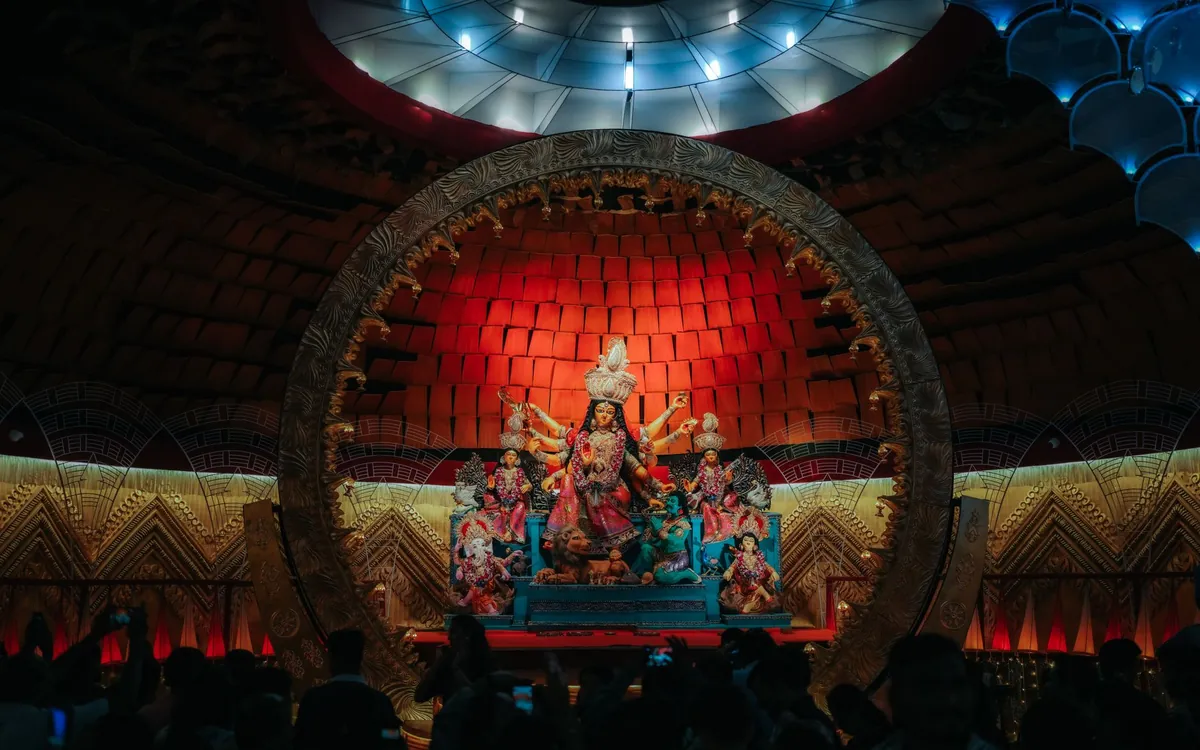
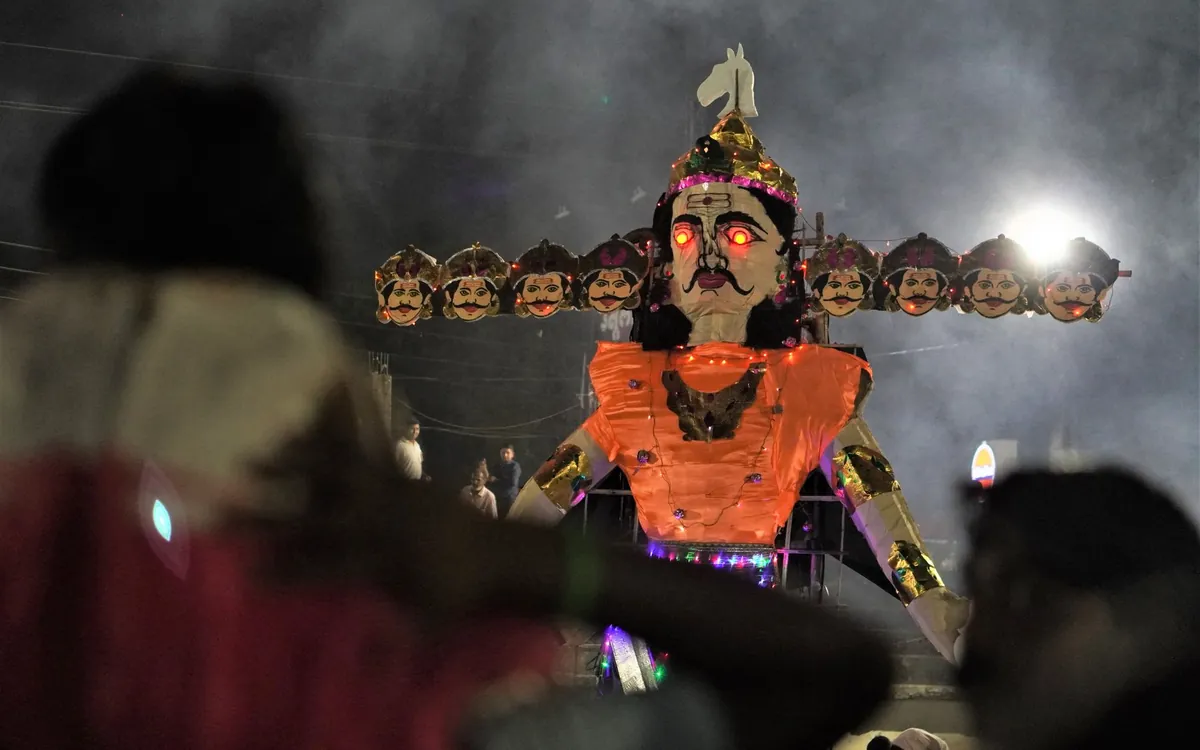
Vijayadashami, the day of Dussehra, celebrates the victory of good over evil. In many traditions it is counted among the sade teen muhurat, the three and a half days considered so auspicious that some families begin important work on them without consulting a separate muhurat. People start businesses, buy vehicles and gold, and begin new learning on this day.
That is why some families like to hold a roka, a sagai or the first formal family meeting around Dussehra. Others prefer to finalise things during Navratri itself, seeing the nine days of the Goddess as a blessed time.
A few points to keep in mind:
- Customs differ by region and family. Some households avoid formal ceremonies during Navratri because of fasting and puja routines, while others consider it ideal. Follow your own family tradition.
- Chaturmas matters to many families. The four-month Chaturmas period, which ends with Dev Uthani Ekadashi, is traditionally avoided for weddings in many communities. Rishta talks and a roka may still be fine in your family's view, but ask your pandit ji.
- Do not rely on generic online calendars. Exact dates and timings change each year and vary by panchang and region. Ask your family pandit for specific muhurats for a roka or engagement.
If you are planning a ring ceremony this season, our guide to choosing an engagement ring in India covers budgets, hallmarks and sizing, and our explainer on the roka ceremony describes what usually happens on the day.
Making the most of festive family gatherings
Festivals bring large family gatherings, and with them, plenty of opinions. Used well, this is an advantage.
For parents
- Talk to your child before the relatives arrive. Agree on what they are comfortable with: sharing their biodata, meeting a family, or simply attending functions without being introduced to anyone.
- Use elders' networks gently. Grandparents, mausis and chachas often know suitable families in the community. Ask them to suggest, not to promise.
- Keep a short list ready. Have an updated biodata, two or three recent photos and kundli details on your phone so you can share them easily if a good proposal comes up.
- Plan one meeting at a time. Festive days are busy. Rushing through three family visits in one afternoon tires everyone and helps no one decide.
For young adults
- Be clear about what you want. If you are ready to meet people, say so. If you need more time, say that too, calmly and early, before a cousin's wedding becomes an introduction session.
- Update your profile. Festive photos in traditional clothes are lovely for a matrimony profile, as long as at least one photo is natural and recent.
- Use the time at home well. If you live in another city, a festival visit is a good chance to meet a prospective match in person with both families present.
Practical etiquette for festive rishta meetings
- Respect fasting. Many people fast during Navratri. If you are hosting, check before preparing food, and offer vrat-friendly options such as fruits, sabudana khichdi or makhana. If you are visiting, do not insist that the other family eat.
- Choose timing carefully. Avoid evenings when the family may have aarti, garba or Ramlila plans. A late-morning or early-afternoon visit usually works well.
- Bring a modest gift. Mithai, dry fruits or a small box of sweets from a known shop is customary. Nothing extravagant is needed at a first meeting.
- Keep the first meeting light. Talk about the family, interests and plans, not dowry, salary negotiations or detailed demands. Our tips on impressing future in-laws at the first meeting help both sides prepare.
- Reply on time afterwards. The festive rush is no excuse for leaving a family waiting. If it is not a fit, our guide on how to politely decline a rishta gives simple wording that preserves goodwill.
Starting this festive season
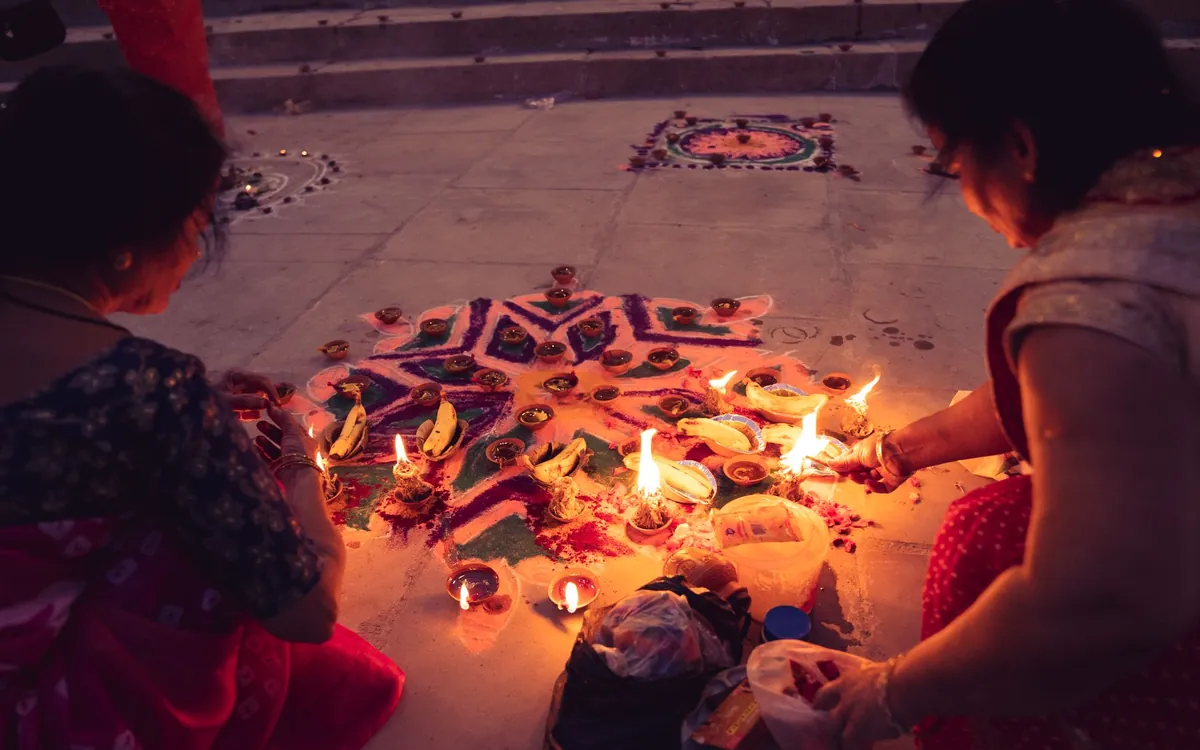
The days between Navratri and Diwali are full of hope, good food and family. They are a lovely time to start looking, as long as the young people feel heard rather than paraded. To begin, browse brides and grooms from Goswami and Dashnami families on Goswami Matrimony, or register your profile so that relatives at your next gathering can be pointed to something more useful than a forwarded photo.
Frequently asked questions
Is Navratri a good time to start looking for a rishta?
Many families consider Navratri a positive time to start rishta conversations, since relatives are together and the mood is festive. Customs differ, so follow your own family tradition and check with your pandit for any ceremony.
Why is Dussehra considered auspicious for new beginnings?
Dussehra, or Vijayadashami, celebrates the victory of good over evil. In many traditions it is one of the sade teen muhurat, the three and a half days considered auspicious for starting important work.
Can a roka or engagement be held during Navratri?
Some families happily hold a roka or engagement during Navratri, while others avoid ceremonies during the fasting days. The right answer depends on your family custom, so consult your pandit for a suitable date and time.
Why do many weddings wait until after Diwali?
In many communities weddings are traditionally avoided during Chaturmas, which ends with Dev Uthani Ekadashi after Diwali. That is why the wedding season often picks up from that point, while rishta talks begin earlier.
How should we host a prospective family during Navratri fasts?
Ask in advance whether anyone is fasting, and keep vrat-friendly snacks such as fruits, makhana or sabudana dishes ready. Schedule the visit at a time that does not clash with aarti or evening festivities.