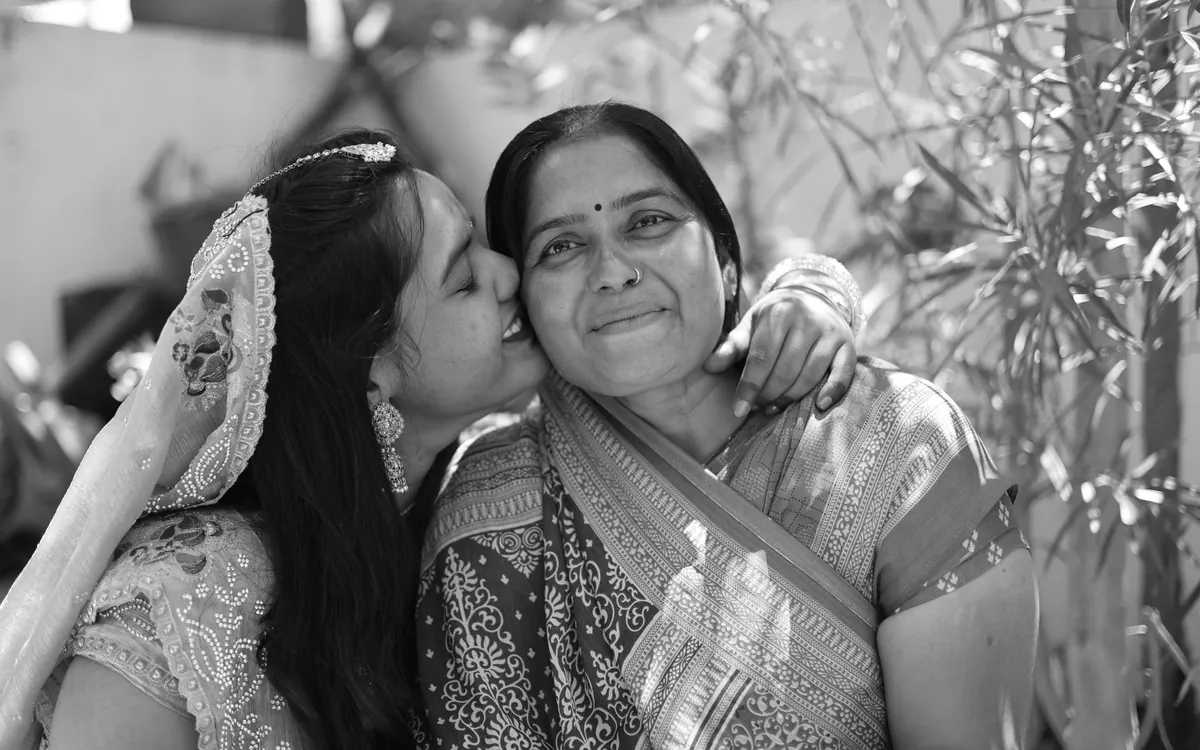

A blended family forms when a parent remarries and children from an earlier marriage become part of the new home. It can work beautifully, but it takes patience: introduce a new partner slowly, put the children's sense of security first, and choose someone who welcomes your children rather than merely tolerates them. Clear conversations between the adults, and with both extended families, prevent many of the problems blended families face.
Whether you are a divorced or widowed parent thinking about remarriage, or a family member supporting one, this guide covers the practical side.
Remarriage with children is more accepted than before
Indian society has long been quiet about remarriage, especially for women with children. That is slowly changing. More families now accept that a parent deserves companionship and that children can benefit from a stable, loving two-parent home. Our guides to second marriage in the Goswami community and widow remarriage in India look at acceptance and rights more broadly. This article focuses on the children.
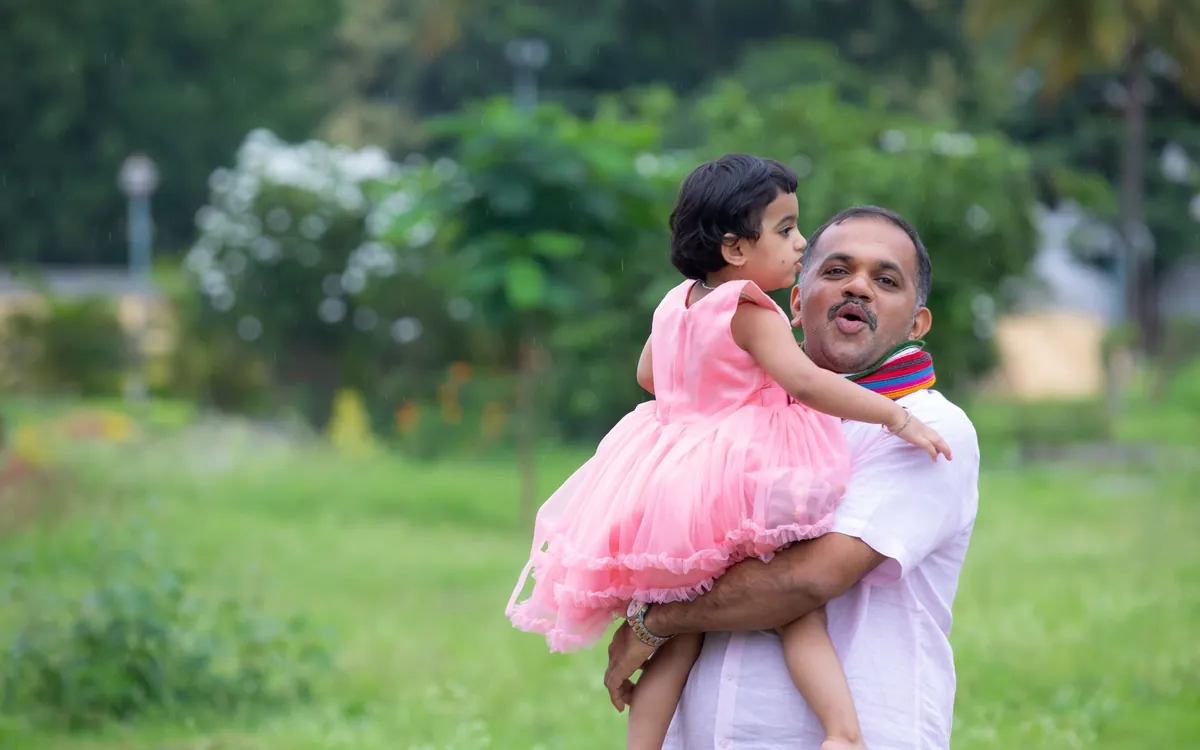
Choosing a partner who fits your family
When children are involved, you are not only choosing a spouse. You are choosing someone who will share your children's daily life.
Look for a partner who:
- Asks about your children early and shows real interest, not just polite questions
- Is patient with the pace you set for introductions
- Respects the other parent's role, where the children are still in touch with them
- Has thought about parenting, including discipline, schooling and how decisions will be made
- Has the support of their own family, so your children are welcomed by grandparents, aunts and uncles on the new side too
If your partner also has children, talk about how both sets will be treated, from pocket money and school fees to who shares which room. Fairness, and the appearance of fairness, matters a great deal to children.
Be honest in your matrimony profile. Mention your children, their ages and who they live with. This saves time and filters out people who are not ready for a ready-made family.
Introducing children to a new partner
Timing
Wait until the relationship is serious before an introduction. Children who meet several prospective partners can become confused or anxious. Once you and your partner are reasonably sure, plan the first meeting thoughtfully.
The first meeting
Keep it short, casual and fun: a walk in the park, an ice cream outing or a simple lunch at home. Do not announce marriage plans at this first meeting. Let your children get to know the person as a friend of the family first.
Talking to children by age
- Young children need simple, reassuring words. Tell them they are loved and that nothing will change your love for them.
- School-age children may ask direct questions. Answer honestly and let them share worries without being scolded.
- Teenagers may react with silence or anger. Give them space, involve them in some decisions and do not force affection.
Children who have lost a parent may feel a new partner is replacing their mother or father. Make it clear that the new person is not a replacement, and keep the memory of the late parent welcome in the home, including photographs and shraddh rituals.
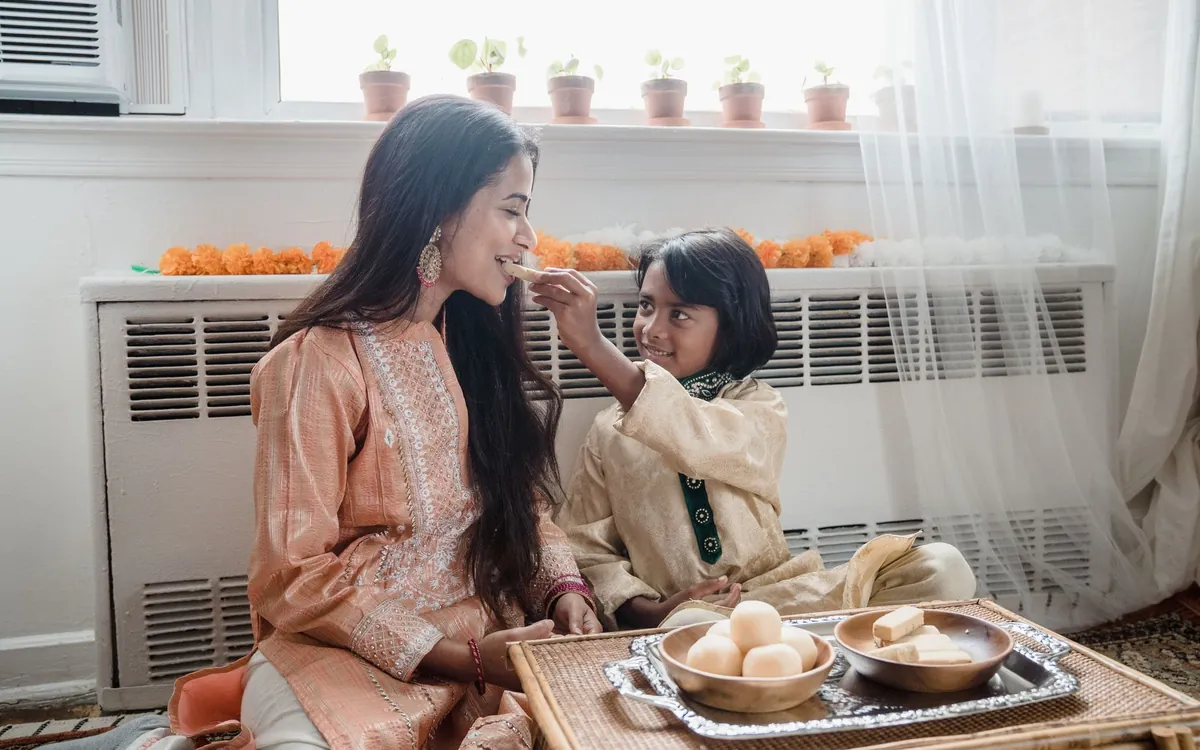
Building the new family, slowly
A blended family rarely feels like one family on the first day. Give it time, often a year or two, to settle.
- Let the biological parent handle discipline at first. The step-parent can focus on building a warm relationship before taking on a fuller parenting role.
- Keep familiar routines. School, meal times, festivals and family rituals give children a sense of stability.
- Create new traditions together, like a Sunday breakfast or celebrating Diwali in a new way as one family.
- Make one-to-one time. Children still need time alone with their own parent, and the step-parent can build individual bonds too.
- Involve the grandparents. In joint families especially, the attitude of grandparents and relatives shapes how welcome the children feel. Our guide to building a good relationship with your in-laws has useful ideas.
If a child struggles for a long time with sadness, anger or problems at school, a family counsellor or child psychologist can help everyone adjust.
Legal and practical matters
Remarriage with children can raise questions about guardianship, custody arrangements with a former spouse, inheritance and, in some cases, a step-parent formally adopting a child. The rules depend on your personal law, any existing court orders and individual circumstances. Speak to a qualified family lawyer before making changes, and update documents such as nominations, insurance and wills after marriage so that every child is protected.
Talk about money openly too. School fees, savings for higher education and support for children from an earlier marriage should be agreed between the adults before the wedding, not discovered after it.
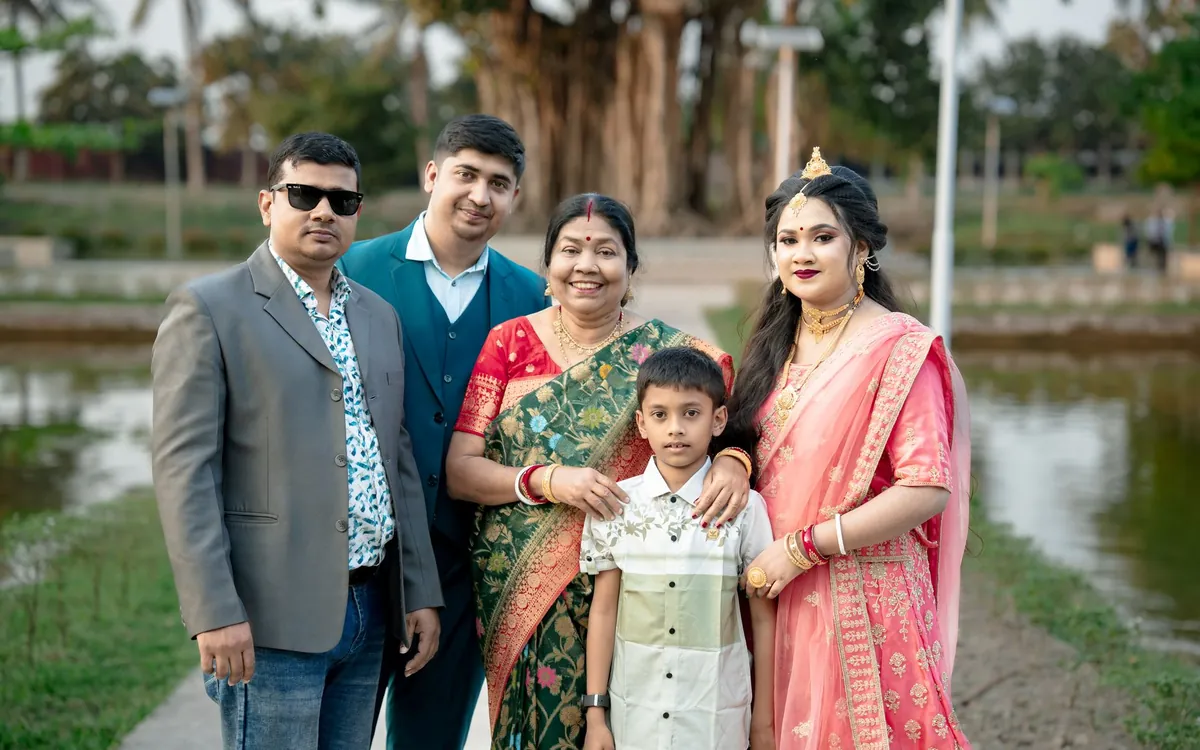
Finding a partner who welcomes your children
On Goswami Matrimony you can state your marital status and mention your children openly, so the families who reach out already know your situation. Browse brides and grooms from Goswami and Dashnami families, or register to find someone ready to build a family with you.
Frequently asked questions
When should I introduce my children to a new partner?
Wait until the relationship is serious and you are fairly sure about a future together. Introducing several prospective partners can unsettle children, so one thoughtful, low-pressure first meeting is best.
How do I tell my child I am remarrying?
Choose a calm, private moment and use words suited to their age. Reassure them that your love for them will not change, answer their questions honestly and give them time to react.
Should a step-parent discipline the children?
In the early months it usually works better if the biological parent handles discipline. The step-parent can first build trust and a warm bond, and take on a fuller parenting role gradually.
What if my child does not accept my new partner?
Resistance is common at first and often eases with time and patience. Avoid forcing affection, keep routines steady, and consider a family counsellor if the difficulty continues for a long time.
Do I need legal advice before remarrying with children?
It is wise to speak to a family lawyer about custody, guardianship and inheritance, especially if there are existing court orders. Updating your will, nominations and insurance after marriage also helps protect every child.